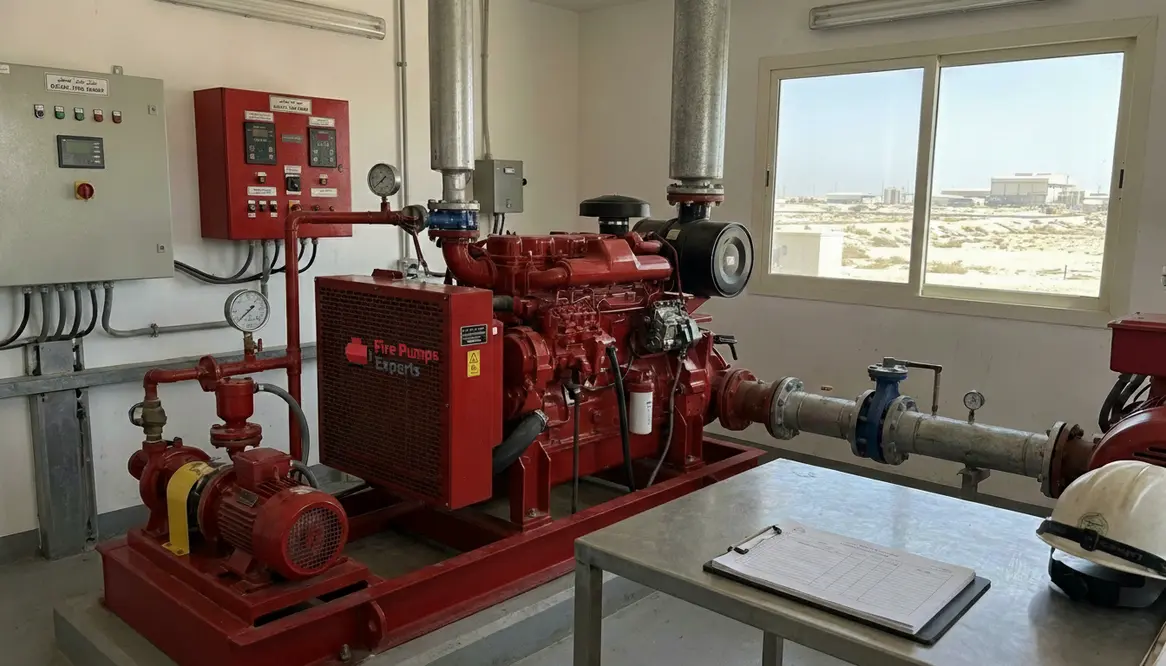
Oman Fire Pump Compliance Guide for Facilities
When I talk about Oman compliance for fire pumps, I am talking about more than a box to tick. I am talking about keeping commercial and industrial facilities, along with major property buildings, ready when the pressure rises and nobody wants surprises. In Oman, the rules around fire pump systems help protect people, assets, and business continuity. And yes, that matters a great deal more than the average office debate over who made the worst coffee. In this guide, I will walk through the checks, standards, and habits I use to keep a fire pump system ready for the real world, not just for the inspection day photo shoot.
What I check first in an Oman compliance review
I always start with the basics, because the basics do the heavy lifting. First, I confirm that the fire pump setup matches the building risk level, water demand, and system layout. Next, I look at the pump type, power source, controller, and water supply. If any one of these parts slips, the whole system can act like a superhero with one shoe missing.
I also check that the fire pump room stays clear, easy to reach, and protected from heat, flood, and abuse. Since facilities in Oman often face tough site conditions, I pay close attention to ventilation and ambient temperature. Then I verify that labels, access paths, and emergency signs are easy to see and easy to trust.
Which fire pump documents should a facility keep?
For me, paperwork is not just paperwork. It is proof that the system exists, works, and gets the care it needs. I keep the following records close:
- Commissioning reports
- Weekly and monthly inspection logs
- Annual test results
- Maintenance records
- Repair and replacement reports
- Authority approval documents
These records help me show that the system meets Oman compliance needs and that the facility has stayed on top of upkeep. They also help during audits, insurance reviews, and fire safety checks. A missing log may seem small, but in compliance work, small gaps can grow teeth.
How I test fire pumps without turning the place upside down
I test fire pumps in a planned, calm way. First, I review the test schedule and notify the right teams. Then I run no flow and flow checks, depending on the system and the inspection plan. I listen for strange noise, watch for pressure drops, and confirm that the controller starts the pump on cue. If the pump hesitates, I treat that as a warning, not a quirky personality trait.
For diesel pumps, I check fuel quality, battery condition, cooling, and engine start time. For electric pumps, I inspect the power feed, breaker condition, and controller health. In both cases, I make sure the jockey pump works properly, because it helps keep small pressure changes from waking the main pump for no reason. That little helper saves wear, money, and nerves.
Dual column compliance checklist
What I inspect
- Pump room access
- Water source level
- Controller status
- Jockey pump function
- Main pump start response
- Alarm signals
What I confirm
- No obstructions
- Enough water for demand
- No fault lights or errors
- Stable pressure control
- Fast and correct start up
- Clear alarm reporting
This simple view helps me catch issues fast. It also keeps the compliance process smooth, which is nice because no one enjoys chasing faults at 2 a.m. like they are in a bad crime series.
Why maintenance matters more than last minute fixes
I never wait for a fire drill to find out a pump is tired. Preventive maintenance keeps the system ready and cuts down on surprise failures. I focus on seals, bearings, couplings, valves, belts, batteries, and controller parts. I also check for leaks, rust, vibration, and poor alignment. These signs often show up before a real breakdown does.
In commercial and industrial facilities, downtime can hit hard. So, I treat maintenance as business protection, not just a safety task. A well kept pump system supports daily operations, insurance confidence, and inspection success. More importantly, it supports life safety. That is the part no one jokes about, because it is the reason the whole system exists.
How I handle approval, audits, and local rules
When I work on Oman compliance, I stay aligned with local civil defense expectations, project approvals, and accepted fire protection standards used for major buildings and industrial sites. I also make sure the design, installation, and testing process match the facility’s use and size. If the site changes, I revisit the fire pump plan. New load, new risk, new review. Simple, but not always easy, like trying to find a parking spot during a major event.
For smoother audits, I keep one clear file with drawings, test data, maintenance logs, and service notes. I also make sure the responsible team knows who to call when a fault appears. Speed matters. So does clarity. A quick response can stop a minor issue from turning into a full system headache.
If you want a reference point for industry-focused guidance, you can also review resources from https://firepumps.org alongside local Oman compliance requirements to keep your approach both practical and regionally aligned.
Quick Oman compliance snapshot
For facilities that want a fast mental checklist when thinking about Oman compliance for fire pumps, I keep three questions in mind:
- Does the system fit the building risk profile and water demand?
- Are testing, maintenance, and records current and easy to prove?
- Does everything align with local civil defense expectations and authority approvals?
If I cannot answer “yes” to all three, I know where to focus next.
FAQ
Conclusion
If I want a fire pump system to pass inspection and perform in a real emergency, I do not guess. I plan, test, record, and maintain with care. That is the heart of strong compliance in Oman for major facilities. If your site needs a clearer path to approval, better testing, or a stronger maintenance plan, now is the time to act. I would rather fix a weak pump today than explain a failure tomorrow.