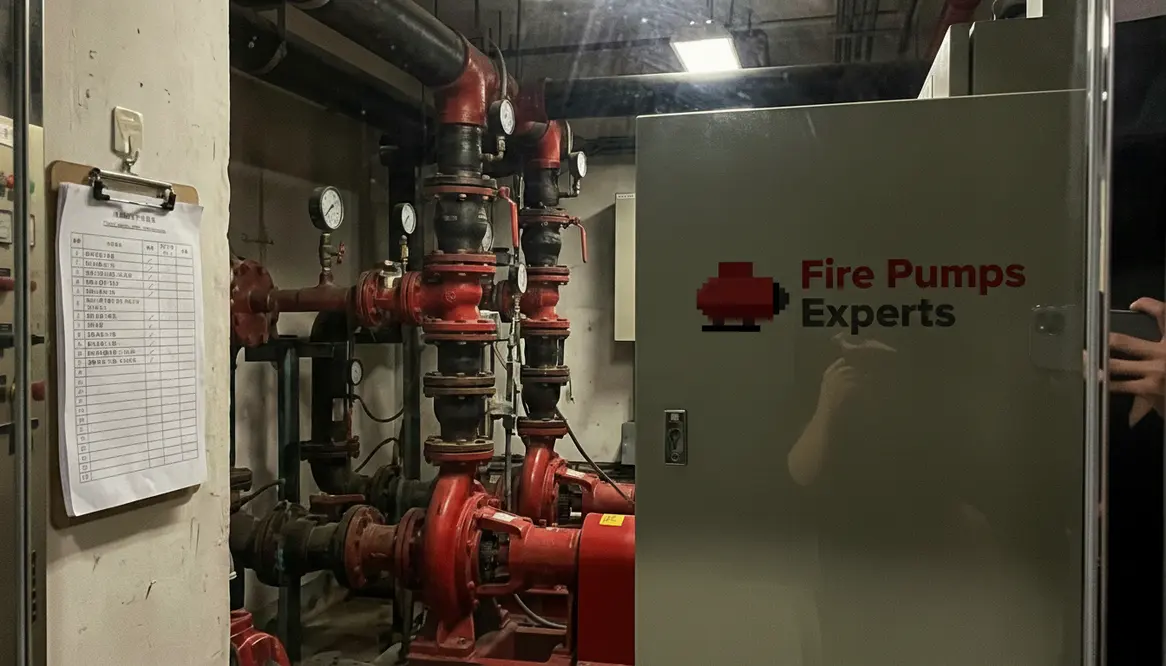
Hong Kong FSD Fire Pump Compliance Guide for Buildings
When I talk about Hong Kong FSD compliance, I am talking about more than a checklist and a stamp on paper. I am talking about keeping commercial towers, industrial sites, and major property buildings ready when fire risk turns from theory into a very bad day. In Hong Kong, the Fire Services Department expects fire pump systems to work fast, stay reliable, and support the whole building fire protection plan. That sounds serious because it is. Still, with the right approach, the process becomes clear, controlled, and far less dramatic than a season finale cliffhanger.
This guide walks through what I check, what the FSD looks for, and how I keep fire pumps in line with local rules. I will stay focused on commercial and industrial properties, because that is where the stakes are high and the systems get tested hard.
What Hong Kong FSD compliance means for fire pumps
In simple terms, Hong Kong FSD compliance means the fire pump system must support the building’s fire service design under real emergency conditions. I look at pump capacity, pressure, backup power, controls, alarms, and the water supply that feeds the whole setup. If one piece fails, the system can slip fast. And in a fire, “almost works” is about as useful as a screen door on a submarine.
The FSD expects the fire pump system to match the approved building layout and fire protection design. That means I need to confirm the pump type, duty ratings, jockey pump support, and control logic all fit the site. For large commercial and industrial properties, this usually includes close attention to risers, sprinkler demand, and hydrant or hose reel needs.
How I check fire pump system design against FSD rules
I start with the approved drawings and compare them to the installed system. First, I confirm the pump set matches the design flow and pressure. Then I check whether the pump room has enough access, ventilation, drainage, and safe working space. These details sound small, but they matter. A fire pump room should not feel like a locked storage closet from a low budget action movie.
Next, I check the following points:
- Pump capacity and pressure match the building fire demand
- Duty pump, standby pump, and jockey pump all operate as intended
- Power supply and backup power support the pump under emergency use
- Control panels, alarms, and indication lights work clearly
- Pipework, valves, and fittings stay free from leaks and damage
After that, I review the test records. If the records look thin, I treat that as a warning sign. In my experience, systems fail twice: once in the field, and once on the paperwork. The FSD wants both sides handled with care.
Commercial building fire pump checklist I use before inspection
Before any formal review, I run a practical checklist. This keeps the site ready and helps avoid avoidable trouble. Also, it saves time, and time is money, which every property manager understands by the second cup of coffee.
Here is the checklist I use most often:
- Confirm the pump room is clean, dry, and easy to enter
- Test the main fire pump and standby pump
- Check suction and discharge pressure readings
- Inspect the jockey pump for normal pressure holding
- Verify power changeover and emergency supply
- Look for leaks, rust, loose wiring, or vibration issues
- Review the maintenance log and test certificates
Then I ask one simple question: would this system still perform after months of normal wear? If the answer feels shaky, I dig deeper. Fire pump compliance is not just about a one time test. It is about steady readiness.
Two column view: what inspectors compare
Technical point
What I verify
Pump performance
Flow, pressure, start up time, and stable operation
Power supply
Normal source, backup source, and transfer response
System condition
Leaks, corrosion, noise, vibration, and access
Records
Test logs, service history, and repair notes
Why it matters for compliance
Each of these checks protects the building when alarms trigger and seconds count. Hong Kong FSD compliance is not impressed by guesswork; it expects proof that every core function holds steady under stress, from pump startup to pressure maintenance and documented performance.
By lining up technical points with clear evidence, I turn the inspection from a tense guessing game into a controlled review that gives owners, managers, and the FSD confidence in the system.
This structured approach keeps Hong Kong FSD compliance practical: no drama, no surprises, just systems that start, run, and protect as designed.
Fire pump maintenance and testing for major property buildings
For major property buildings, I treat maintenance as the backbone of compliance. A fire pump does not care about excuses, holidays, or the fact that everyone is “very busy this week.” It wants routine checks and proper servicing.
I recommend planned testing at regular intervals, with attention to:
- Automatic start performance
- Pressure control stability
- Battery and power backup condition
- Valve position and flow path readiness
- Any sign of wear on motors, couplings, or bearings
I also suggest keeping service notes clear and easy to follow. That helps during FSD review and during internal audits. If the building has tenants, contractors, or complex operations, I make sure the maintenance plan fits the real use of the site. A loading dock, plant room, and high rise office tower do not behave the same way. Shocking, I know.
How I handle FSD submission and common mistakes
When I prepare for FSD submission, I focus on accuracy. I make sure drawings, product details, test reports, and maintenance records all tell the same story. If one document says one thing and the site tells another, the process slows down fast.
The most common mistakes I see are simple but costly:
- Wrong pump rating for the building demand
- Poor access to the pump room
- Missing test records
- Weak backup power setup
- Unclear labeling on valves and controls
So, I always suggest a full review before submission. It saves time, reduces rework, and keeps the project moving with less stress. That is the kind of calm every project team needs when deadlines start breathing down the neck.
Why Hong Kong FSD compliance should stay on your active checklist
If you manage a commercial, industrial, or major property building, treating fire pump work as a background task is a quiet way to invite future problems. Hong Kong FSD compliance rewards teams that keep systems live in their planning: scheduled testing, clean records, and clear responsibility for what happens when alarms sound and water has to move now, not later.
By keeping design checks, maintenance, and documentation aligned, you turn a technical requirement into part of the building’s everyday resilience. That is good for safety, good for inspections, and very good for sleep at night.
FAQ
Conclusion
If you manage a commercial, industrial, or major property building, I suggest you treat fire pump compliance as a living task, not a one time chore. Review the system, keep the records clean, and fix weak points early.
If you want a smoother path through Hong Kong FSD compliance, now is the time to act. Contact our team at https://firepumps.org for focused support that keeps your building ready, your process clear, and your fire pump system on the right side of the rules.