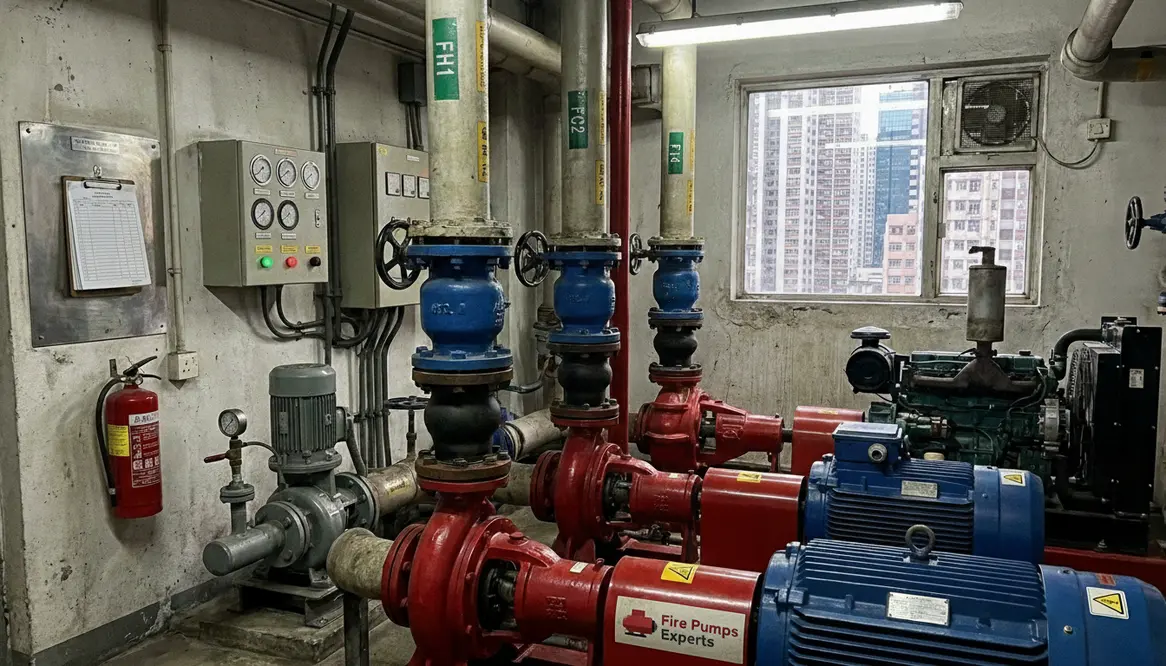
Hong Kong Fire Pump Requirements Guide
Hong Kong Fire Pump Requirements Explained
When I talk about Hong Kong requirements for fire pumps, I am talking about more than a box in a plant room with a loud motor and a heroic name. I am talking about a life safety system built to protect commercial and industrial facilities, and major property buildings when pressure drops and panic rises. In Hong Kong, these systems must support the fire service water supply, meet local codes, and stay ready when the real test arrives. That means the design, installation, testing, and upkeep all matter. Skipping a step here is like showing up in a Batman suit and forgetting the cape.
In this guide, I will break down the main rules, the system parts, and what building owners should check to stay compliant and ready.
What the Hong Kong code expects from a fire pump system
First, I focus on the basic job of the fire pump: it must keep water pressure and flow steady during a fire event. In Hong Kong, fire pump sets usually support hydrant systems, hose reels, sprinkler systems, or a mix of these. Because of that, the pump must match the building risk, height, and water demand.
Also, the system must be built for reliable start up. A fire pump should start fast, work under load, and keep running without drama. Think less action movie chaos, more calm professional under pressure. The authorities expect the pump room, tank supply, valves, controls, and power source to work as one system. So, if one part fails, the whole setup loses strength.
Fire pump types and why each one matters
In most Hong Kong requirements, I see a few common pump types used together. Each one has a clear job.
- Main fire pump: This is the workhorse. It delivers the required water flow during a fire.
- Jockey pump: This small pump keeps pressure stable and stops the main pump from switching on for tiny pressure drops. It is the quiet employee who saves the whole team from needless meetings.
- Standby pump: This back up pump steps in if the main pump fails. In larger sites, this adds a strong safety margin.
Moreover, many buildings use electric driven pumps with diesel driven back up units. That mix helps during power failure, which, frankly, is when a fire pump must act like it has seen the trailer and knows the plot twist is coming.
How I check the pump room and system layout
I always start with the pump room, because a weak room creates a weak system. The space must stay dry, easy to access, and free from storage clutter. Yes, that means no “temporary” boxes, old chairs, or mystery items that somehow live in every building utility room. The room should allow safe inspection, repair, and testing.
Next, I look at the pipe layout, valves, and suction conditions. The pump must receive enough water from the tank or water source, and the piping must reduce friction loss as much as possible. Also, valves must stay in the correct position and remain easy to identify. Clear labels help the maintenance team act fast, and that speed matters when every minute counts.
Key checks at a glance
Key system area
- Water source and tank supply
- Pump set and controls
- Pressure switches and gauges
What I look for
- Enough capacity for the design demand
- Reliable automatic start
- Correct readings and stable pressure
Testing and maintenance under Hong Kong requirements
Now I move to the part many owners try to respect in theory and forget in practice: testing. A fire pump is not decoration. It needs regular inspection, weekly checks, and planned performance tests. These checks help confirm that the pump starts properly, reaches the right pressure, and runs within safe limits.
In addition, the driver, controller, batteries, fuel supply, cooling system, and valves must all get attention. If the system uses a diesel pump, the fuel quality and battery health matter a lot. If it uses an electric pump, the power supply and control panel must stay dependable. Either way, maintenance records should stay clear and up to date.
Here is the simple truth: a pump that looks fine can still fail under load. So I always advise building owners to keep a tested maintenance plan, not a “we will look at it later” plan. Later is a very expensive word in fire safety.
How compliance supports major property buildings
For commercial and industrial sites, compliance does more than satisfy an inspector. It protects people, assets, and daily operations. A fire pump system that meets local expectations can reduce downtime, limit damage, and support safe evacuation and fire response.
Also, major property buildings often face higher risk because of size, occupancy, and service load. That means the fire pump design must match the building’s real fire risk, not just the minimum idea of safety. I always recommend working with specialists who understand local rules, pump sizing, and testing standards. For more technical support, I suggest reviewing Hong Kong fire pump compliance guidance as a helpful reference point for planning and review.
When these systems match the Hong Kong requirements for design and upkeep, they support resilient operations instead of becoming a silent liability that only appears in incident reports.
Hong Kong requirements in everyday operation
Connecting design, operation, and inspection
Day to day, the Hong Kong requirements show up in small but important habits: keeping valves locked or supervised, logging weekly pump starts, recording any alarms, and fixing leaks before they turn into pressure problems. None of this is glamorous, but it keeps the system honest.
Common problems that trip up compliance
- Pump rooms used for storage, blocking access to valves and panels
- Locked doors with no clear sign or no spare keys available during an emergency
- Control panels left in manual instead of automatic mode after testing
- Missing or outdated maintenance records that make it hard to prove compliance
- Changes to building use without checking whether the fire pump capacity still matches demand
Each of these looks minor on a quiet day, but during a fire they can undermine even a well designed pump set that otherwise fits the Hong Kong requirements.
FAQ
Conclusion
If I want a fire pump system to do its job, I treat it like a mission critical asset, not a background machine. The Hong Kong requirements call for proper design, reliable equipment, regular testing, and careful upkeep. So, if your commercial, industrial, or major property building needs a review, now is the time to act. I would rather catch a weakness today than explain one during an emergency tomorrow. And that, in fire safety, is the difference between prepared and lucky.