Hong Kong Fire Pump Requirements for Commercial Buildings
Why the pumps deep in the basement decide whether a Hong Kong commercial tower can keep people safe when everything upstairs is going wrong.
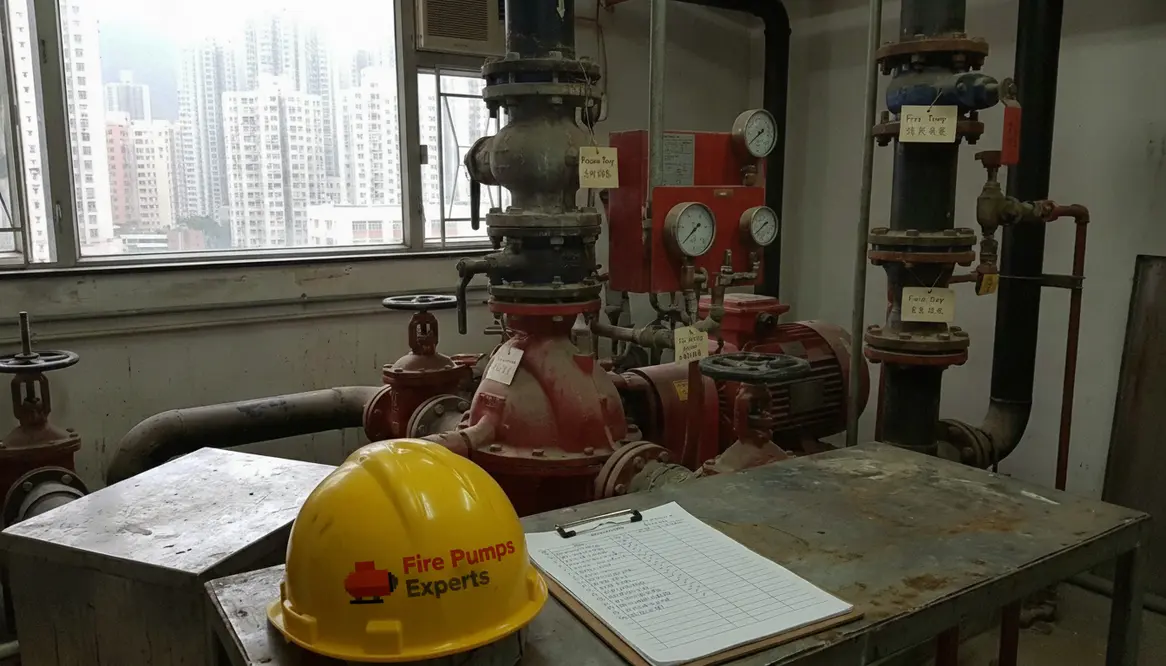
When I look at Hong Kong commercial properties, I see more than glass, steel, and polished lobbies. I see a system that must work when the heat rises and every second starts charging rent. Fire pumps sit at the heart of that system. They keep water pressure strong enough for sprinklers and hydrants to do their job, and in a tall building, that job matters more than anyone wants to admit over lunch. So, if you manage a tower, a mall, or a major industrial site, you need to understand the rules, the tests, and the very real risk of cutting corners.
In this guide, I explain the main requirements for fire pumps in commercial buildings in Hong Kong, how I would approach compliance, and why the right setup protects people, assets, and business continuity. Think of it as a calm walk through a very serious room.
What fire pumps do in a Hong Kong commercial building
I always start with the basics. A fire pump boosts water pressure so fire protection systems can deliver enough flow during an emergency. In a Hong Kong commercial tower, gravity alone often cannot push water to upper floors with the force needed. That is why fire pumps support sprinkler networks, hydrants, hose reels, and other suppression systems.
Most systems use a main pump, a standby pump, and a jockey pump. The jockey pump handles small pressure drops, the main pump carries the load in an alarm, and the standby pump waits like the understudy in a blockbuster film. If the lead fails, the show still goes on. That backup is not a luxury. It is a survival plan.
Core roles of a fire pump
- Maintain pressure for sprinklers across all levels of the building
- Support fire hydrants and hose reel systems for firefighters
- Overcome height and friction losses in tall piping networks
- Stabilize system performance when multiple points discharge at once
Hong Kong fire pump requirements for commercial buildings
For commercial and industrial premises, I focus on code compliance, system design, and the building use. Fire pump arrangements must match the building size, height, hazard level, and water demand. In practice, that means the system must provide enough pressure at the highest point and enough flow for the fire protection devices that depend on it.
Key points I check
- Correct pump capacity for the system load
- Reliable power supply and backup power where required
- Automatic start when pressure drops
- Clear access for inspection and maintenance
- Sound alarms and control panels
- Proper suction and discharge piping
What strong compliance usually includes
- Documented design drawings
- Hydraulic calculations
- Regular load testing
- Annual servicing records
- Room ventilation and drainage
- Protection from flooding and damage
Because every commercial building behaves a little differently, I never treat a pump room like a copy and paste project. A shopping tower, a logistics hub, and a mixed use office block may all need a different setup. That is where design discipline matters. And yes, the fire pump room is one of those places where “close enough” is a very expensive joke.
How I check compliance and system readiness
Compliance is not only about installing the right equipment. I also verify that the system stays ready. First, I review whether the pump matches the approved design. Then I check the control panel, valves, pipe supports, fuel or power source, and the alarm links. After that, I look at test results. If a pump cannot start smoothly, hold pressure, or deliver the expected flow, it fails the one job that matters.
For Hong Kong commercial buildings, routine testing is vital because humidity, vibration, and heavy use can wear down parts faster than people expect. So, I pay close attention to:
- Weekly or scheduled automatic start checks
- Flow and pressure tests
- Battery or power supply checks
- Leak checks on seals and joints
- Alarm and signal verification
The risk of skipping tests
When a building team skips testing, they may not notice a weak pump until an emergency makes the issue famous. That is not the kind of publicity anyone wants, especially in a busy Hong Kong commercial address where tenants have long memories and short patience for system failures.
What facility managers should inspect in a fire pump room
Facility managers play a big role, and I respect that. They deal with many systems at once, so I keep the checklist simple but sharp. I inspect the room for heat, water, dust, corrosion, blocked access, and poor labeling. I also confirm that valves stay open and that nothing sits in front of the equipment like a casual hallway chair that somehow became permanent.
Room and access checks
- Clear, unobstructed access paths
- Clean, dry floor with working drainage
- Acceptable room temperature and ventilation
- Legible labels on valves and controls
Equipment condition checks
- No visible corrosion on pipes or pump body
- Valves locked or supervised in the correct position
- Control panel indicators in normal status
- No mystery objects stored on or around the pump set
In larger commercial and industrial sites, I also look at the condition of the emergency power arrangement, if one exists. If mains power fails, the fire pump still has to perform. This is where the building’s risk profile matters. A high rise with dense occupancy needs a different level of caution than a low rise warehouse, even if both people and forklifts have a strong talent for chaos.
Why maintenance and testing matter for Hong Kong commercial properties
Fire pump maintenance protects life safety, but it also protects business value. A failed system can trigger fines, shutdowns, delays, and insurance problems. Worse, it can put staff, tenants, visitors, and property at risk. I see maintenance as part safety plan, part business plan, and part peace of mind.
Firepumps.org supports commercial and industrial facilities and major property buildings, so I always recommend working with specialists who know these environments. If you want a deeper look at service standards, you can review commercial fire pump service for major properties. That kind of focus matters because a system built for a small site will not magically rise to the demands of a major building. Fire pumps, like most things in life, prefer proper planning over wishful thinking.
Linking reliability to business continuity
A robust fire pump setup is one of the quieter assets in any Hong Kong commercial portfolio. When it is well designed, code compliant, and properly maintained, it silently protects lease value, brand reputation, and the ability to reopen quickly after an incident.
FAQ: quick answers for featured snippets
These are the questions I hear most often from owners and managers of Hong Kong commercial buildings when they step into the pump room and realize how much depends on what they are looking at.
Conclusion
If you manage a commercial or industrial property in Hong Kong, I urge you to treat fire pump compliance as a priority, not a side task. Review your system, confirm the design, test the equipment, and keep strong maintenance records. A reliable fire pump protects people, property, and operations when it matters most.
If you want support for a major building, reach out now and get the system checked before a small problem grows teeth. The quiet machinery in the basement is one of the few parts of a Hong Kong commercial building that no one notices when it works and no one forgets when it does not.