Hong Kong Fire Pump Water Supply Requirements Guide
Hong Kong Fire Pump Water Supply Requirements: What I Look For in Commercial and Industrial Buildings
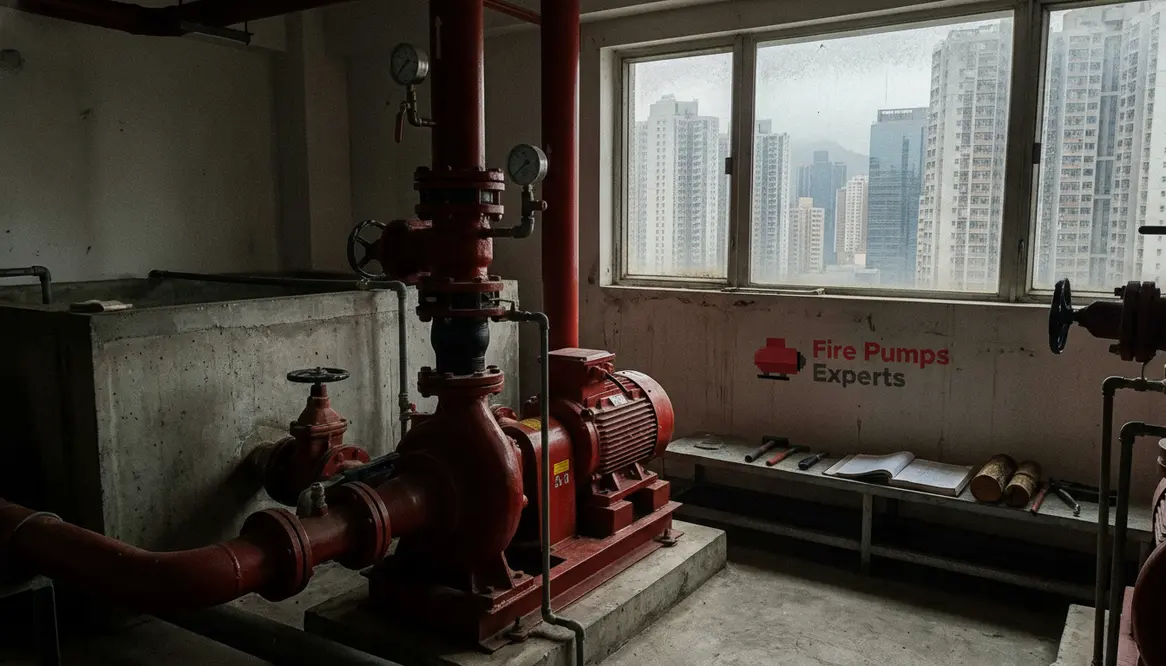
When I examine our Hong Kong water supply for a fire pump setup, I look past the shiny pump label and straight into the heart of the building’s safety system. In commercial towers, industrial plants, and major property blocks, the water supply must do one job very well: keep the fire protection system alive when the pressure drops and the heat rises. That sounds simple, yet the details matter. A weak supply can turn a serious fire plan into a very expensive paperweight, and nobody wants that kind of plot twist.
In this guide, I break down the practical requirements for fire pump water supply in Hong Kong, with a focus on real building use, code driven thinking, and the kind of system checks that keep facilities ready for action.
Why the Water Supply Matters Before the Pump Even Starts
I always say the pump is only as good as the water behind it. In fire protection, the water source must stay reliable, stable, and large enough to support the full system demand. For commercial and industrial buildings, that usually means the supply must support sprinklers, hydrants, hose reels, or a mix of these systems, depending on the site design.
First, I check whether the source can deliver enough flow at the right pressure. Then I look at how the system behaves during peak use. If a building has a large tenant load, heavy equipment, or tall risers, the demand rises fast. So yes, the water needs to be there, and it needs to show up on time. Fire does not wait for weak infrastructure. It is rude like that.
How I Assess the Water Source for Fire Pump Systems
When I review a site, I focus on the source type and its reliability. In practice, the fire pump may draw from a dedicated tank, a town main, or a combined arrangement with storage. For major property buildings, I prefer a setup that gives the system a clear and dependable reserve.
Here is how I usually split the review:
- Dedicated storage for fire use only, where possible
- Stable pressure that supports pump operation without sudden drops
- Sufficient volume to meet the required fire duration
- Refill ability that matches the building’s risk level and use
- Protection from contamination so the supply stays clean and usable
Next, I look at whether the supply changes with time of day or building demand. A site may test fine in the morning and struggle at peak hours. That is why I never trust one reading alone. One sample is a teaser trailer, not the full movie.
Hong Kong water supply standards and what they mean on site
The Hong Kong water supply rules for fire systems push me to think in terms of performance, not guesswork. The system must support firefighting equipment under real conditions, and the building team must maintain that capability over time. I treat this as both an engineering issue and a management issue.
In simple terms, I look for:
Table 1: Key checks for fire pump water supply
| Check | What I Verify |
| Flow | The supply can meet system demand |
| Pressure | The pump can reach the needed output |
| Storage | Enough reserve water exists for fire duty |
| Make up supply | The tank can recover in a useful time |
| Isolation | Normal building use cannot drain fire reserve |
After that, I confirm that the fire water tank, suction arrangement, and pump room all work together. A beautiful pump room with poor supply is like a superhero with no cape. Technically impressive, but not ready for the scene.
What I check in commercial and industrial buildings
For commercial towers, I pay close attention to tenant load, sprinkler zoning, and whether the water reserve can support all protected floors. For industrial sites, I dig deeper into hazard type, process risk, and any special fire load from storage, machinery, or chemicals.
That means I do not treat every building the same. A logistics warehouse, a data centre, and a mixed use high rise each need a different supply strategy. Still, the core question stays the same: can the system deliver water fast enough and long enough when it matters?
Common weak points I watch for
- Valve positions left in the wrong state
- Corrosion in suction lines
- Poor tank cleaning schedules
- Dead legs that can trap debris
- Weak coordination between building management and maintenance teams
Because of that, I always push for routine checks. A strong design can still fail if the crew treats maintenance like a side quest.
How I keep the system ready over time
From design intent to long-term reliability
Good water supply design is only the start. To keep fire pumps ready, I want regular inspection, test runs, and clear records. The building team should confirm tank levels, pump start performance, suction health, and refill behavior on a set schedule. In addition, they should fix small issues before they turn into large ones. That is cheaper, calmer, and far less dramatic.
I also recommend working with specialists who understand commercial and industrial fire protection, not general trade work alone. If you want a useful place to begin, I suggest reviewing expert fire pump services for commercial buildings so the system matches the building’s actual risk and use.
Across commercial towers and industrial plants, the Hong Kong water supply behind the pump room quietly decides whether all that equipment will actually perform under stress. When that supply is sized, stored, and maintained properly, the rest of the fire protection system can do its job without unwanted surprises.
Putting Hong Kong water supply checks into daily practice
Daily, weekly, and periodic habits that actually help
On sites where I am comfortable with the Hong Kong water supply performance, there is almost always a simple set of habits in place. Daily visual checks of tank levels, weekly test runs of the fire pump, and periodic full-flow tests keep the team familiar with how the system behaves. None of this is glamorous, but it is exactly what stops small defects from quietly building into real failures.
I also expect clear documentation. That means test sheets that show pressures, flows, tank drawdowns, and refill times, not just a tick box that says “tested.” When the records match what I see in the plant room, I know the Hong Kong water supply has been treated as a core safety asset, not just another bit of plumbing.
FAQ
Conclusion
I treat fire pump water supply as the quiet backbone of building safety. If the source is weak, everything downstream suffers. So I always advise commercial and industrial property teams to review storage, flow, pressure, and maintenance together. If you want a system that works when the pressure is real, start with a proper assessment today. A safer building begins with water that is ready, steady, and fully on duty.