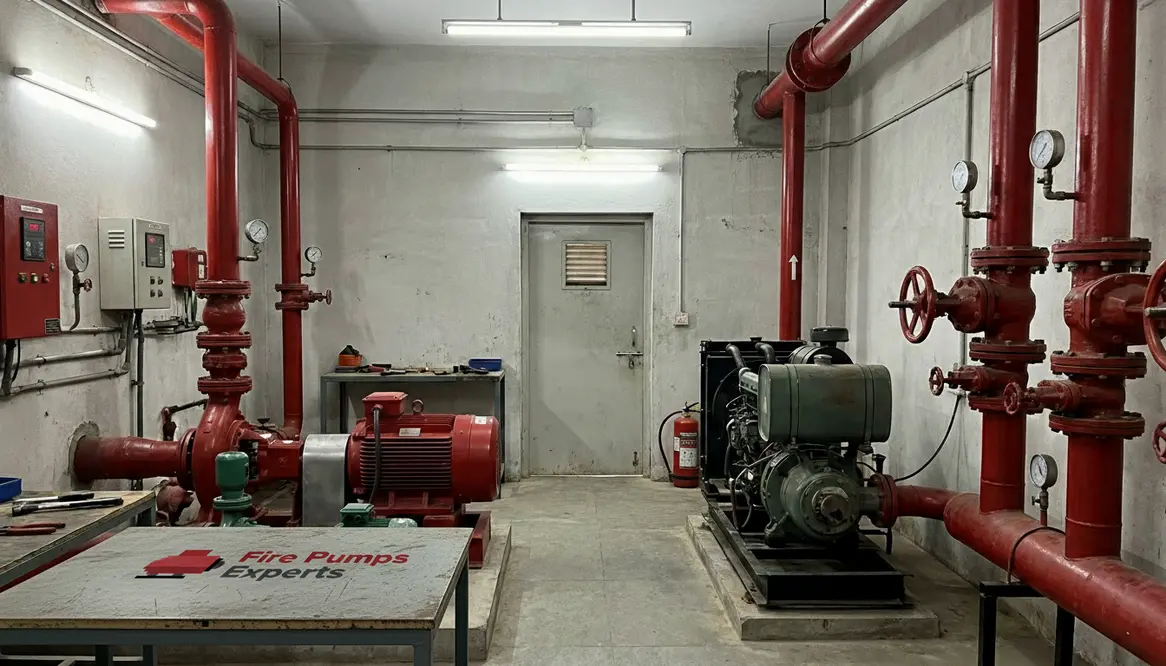
India Fire Pump Room Requirements and Design Guide
India Fire Pump Room Requirements Overview
When I look at a fire pump room in an India room setup, I do not see just a box with pipes and pumps. I see the heartbeat of a building’s fire defense. For commercial towers, industrial plants, and major properties, this room can decide whether a small incident stays small or turns into a full disaster. And yes, that is a lot of pressure for one room with no window view. Still, when I plan a system right, the fire pump room does its job quietly, which is exactly what I want from emergency equipment.
In India, the rules around fire pump rooms focus on safety, access, water supply, power backup, and fast performance. So, if I manage a factory, warehouse, hospital, mall, or high rise, I need to treat this space as critical infrastructure, not an afterthought.
What a fire pump room must do in a commercial building
I always start with the purpose. A fire pump room must keep water moving at the right pressure when the fire system needs it most. Therefore, the room must house the main pumps, jockey pump, controllers, valves, and sometimes diesel backup equipment. In a major property, this room supports sprinklers, hydrants, and hose reels. If the system fails, everything else becomes a very expensive decoration.
The room should stay separate from storage, public access, and risky areas. It should also allow easy inspection and fast repair. I want clear space around every pump and panel, because fire crews and maintenance teams need room to act without playing a game of human Tetris.
India room layout and safety standards I check first
For an India room that holds fire pumps, I focus on layout before anything else. The room should sit on the ground floor or in a protected area with direct access. It must remain dry, well ventilated, and safe from flooding. I also make sure the floor can carry the full load of the pumps and tanks. Heavy equipment does not forgive weak concrete.
I check these core points:
- Enough working space around all pumps and panels
- Easy entry for service teams and emergency responders
- Proper drainage to keep the room dry
- Good ventilation for motor and diesel heat control
- Fire rated separation from other building areas
- Clear lighting and visible labels for fast response
Because fire systems depend on speed, I never hide the room in a hard to reach corner. When seconds count, nobody wants a treasure hunt. Even Batman would approve of a well placed pump room.
How I handle pump selection, power, and backup
Choosing the right pump setup matters as much as the room itself. I usually look at the water demand, building height, hazard level, and pressure needs first. Then I decide on the right combination of main pump, jockey pump, and backup pump. For large industrial sites, I often plan for electric and diesel options so the system still works if power fails.
Power backup must stay reliable. Therefore, I keep the controller, cabling, and emergency supply protected and easy to inspect. I also make sure the diesel tank, where used, sits in a safe position with proper ventilation and fuel handling. A fire pump room should never depend on wishful thinking. In this business, hope is not a strategy, just a soundtrack.
Here is a simple view of what I compare when I plan the room:
- Electric pump for normal and efficient operation
- Diesel pump for backup when power fails
- Jockey pump to maintain system pressure and reduce wear
- Controllers and alarms to signal faults fast
How I keep the room ready for inspection and emergency use
A fire pump room only earns trust when it stays ready every day. So, I build a simple routine around testing, cleaning, and record keeping. I inspect the pump set, verify pressure, check valves, and test alarms on schedule. I also keep the room free from dust, boxes, leaking pipes, and random junk. A fire pump room is not the place for spare chairs, mystery cables, or “temporary” storage that somehow lives there for five years.
Important check points for ongoing readiness
First, I confirm that all valves stay open or in the correct position. Next, I test the starter systems and power changeover. Then, I review water levels, suction conditions, and discharge pressure. Finally, I keep a log of every inspection. This helps me spot small issues before they become big ones. In a busy commercial building, this discipline saves time, money, and possibly the entire property.
I also make sure the room stays accessible to fire teams. So, I keep doors unlocked when allowed by policy and maintain clear signage. If emergency crews cannot reach the system quickly, the room loses part of its value.
Designing the India room as a resilient fire pump hub
When I shape an India room around fire safety, I treat every square foot as working space. The pump foundations must handle vibration, pipe supports must protect joints, and access paths must stay open. I keep suction and discharge lines straight wherever possible, reduce sharp bends, and plan valve locations where a technician can actually reach them without gymnastics.
I also separate electrical panels from direct splash zones, add non slip flooring, and use contrasting colors on key handles and isolation valves so they stand out during stress. When someone runs into the India room during an alarm, I want the eye to land instantly on what matters: pumps, controllers, fuel isolation, and main shutoffs.
FAQ
Conclusion
If I want a commercial or industrial building to stay safer under pressure, I must treat the fire pump room like critical life support. I need the right layout, reliable power, clear access, and steady maintenance. So, if you manage a major property and want to improve fire protection the smart way, I suggest you review your pump room now, not after a problem starts. A strong system today can save the whole building tomorrow.