IS Fire Pump Testing and Maintenance Guide for Commercial and Industrial Properties
Practical steps, clear checklists, and test routines designed for real buildings, real risks, and zero drama when the sprinklers need backup.
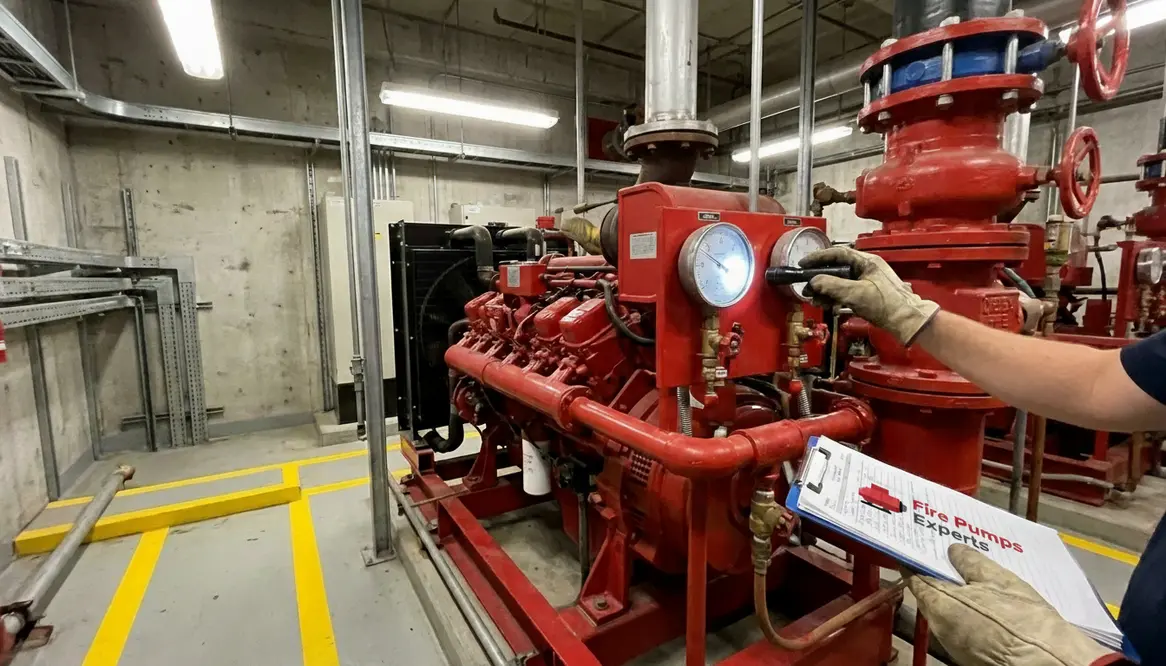
I take fire pump testing seriously, because when a system is supposed to save a building, it should not act like a sleepy extra in a disaster movie. In IS testing, I focus on how a fire pump performs under real demand, how it holds pressure, and whether it can do the job for a commercial or industrial facility when it matters most. That matters for warehouses, high rise buildings, manufacturing plants, and large properties where fire protection has to work without drama. In this guide, I walk through the right way to test and maintain a fire pump, so you can protect people, property, and uptime.
Quick mission: keep the fire pump ready so it performs like critical life-safety equipment, not like an old car on a cold morning.
- Protect people, property, and uptime
- Avoid ugly surprises during emergencies
- Stay ahead of inspections, audits, and insurance reviews
Why fire pump testing matters for commercial buildings
Fire pumps sit at the heart of many fire protection systems. When water pressure from the main supply drops, the pump steps in and keeps the system alive. Therefore, if the pump fails, the whole system can struggle. I see this as one of those cases where “close enough” is not close enough at all.
Regular testing helps me catch weak pressure, worn parts, fuel issues, power problems, and flow loss before they become expensive surprises. It also helps commercial and industrial facilities stay ready for code checks, insurance reviews, and daily risk control. In short, I do not wait for trouble to introduce itself like an uninvited guest at the worst possible time.
Key risks of skipping tests
- Hidden mechanical wear that shows up only under load
- Controllers that do not start the pump when pressure drops
- Diesel units that fail from weak batteries or bad fuel
- Slow pressure loss that no one notices until an actual fire
Benefits of disciplined testing
- Improved reliability during high-demand events
- Better compliance with codes and insurance standards
- Early warning on degrading performance trends
- Clear documentation that the system is managed correctly
How I test a fire pump step by step
1. Start with a visual check
I start with a visual check. First, I look for leaks, rust, loose parts, broken gauges, and signs of heat or vibration. Then I check the suction and discharge valves, controller lights, power source, and room conditions. After that, I review the test records from earlier runs, because patterns often tell the real story.
2. Run the IS fire pump testing sequence
Next comes the actual IS fire pump testing process. I confirm that the pump starts properly, then I watch the pressure and flow while it runs. I also check automatic start settings, manual start functions, and shutdown behavior. If the pump is diesel powered, I inspect fuel, battery charge, cooling, and exhaust. If it is electric, I make sure the power supply, wiring, and controller respond the way they should. A fire pump should not need a pep talk, but it should need a proper test.
Core checks during IS testing
- Start-up performance and time to rated speed
- Discharge pressure stability at different flows
- Automatic start from low-pressure conditions
- Manual start and stop functions
- Controller indicators, alarms, and event logging
Power-source specifics
- Diesel: fuel quality and level, battery charge, coolant, belts, and exhaust path
- Electric: feeder integrity, voltage, breaker settings, and controller response
- Any system: no excuses from the pump when the building needs water
Fire pump maintenance checklist for reliable operation
I keep maintenance simple, steady, and documented. That way, nothing slips through the cracks. Here is the core checklist I use for commercial and industrial properties:
- Inspect the pump room for heat, dampness, and access problems
- Check gauges, valves, fittings, and seals for wear or leaks
- Test the controller and alarm signals
- Review battery health and charger function on diesel units
- Verify fuel levels, belt condition, and coolant condition on diesel units
- Run the pump under test conditions and compare readings to past logs
- Clean the area around the pump so staff can reach it fast
- Record every test, repair, and adjustment
Moreover, I always treat odd vibration or noise as a warning, not background music. A pump that rattles, surges, or runs hot is asking for attention.
What I look for during weekly, monthly, and annual checks
Because large properties depend on consistent coverage, I do not treat annual testing like a box to tick. Instead, I use it to see the full health of the system. That approach saves time, money, and a fair bit of future panic.
Weekly checks
I verify pump room condition, visual leaks, gauge pressure, and controller status. I also confirm the pump stays ready for automatic operation.
Monthly checks
I run deeper operational tests, inspect wear points, review batteries or power components, and compare results with earlier readings. This is also where IS testing often confirms that automatic features still behave the way the design intended.
Annual checks
I schedule full performance testing, evaluate flow and pressure results, and confirm the system meets facility needs and applicable standards. This full IS testing set shows how the pump behaves across its curve, not just at a single point.
Common problems I catch during fire pump testing
Some problems show up often, and they usually begin small. Low suction pressure can point to supply trouble. Air leaks may cause unstable performance. Worn bearings can create vibration and heat. Control faults can stop the pump from starting when needed. In diesel systems, dead batteries and stale fuel cause plenty of headaches too. The pump room can also work against the system if it gets too hot, too damp, or too crowded.
So, I use testing as a way to find trouble early. That gives me a chance to fix the issue before it turns into a shutdown, a claim, or a very bad day with a very long report.
Warning signs that deserve attention
- New or changing vibration during runs
- Gradually dropping discharge pressure at the same flow
- Controllers that occasionally misbehave and then “fix” themselves
- Diesel engines that hesitate, smoke, or crank slowly
- Any alarm that gets ignored because “it always does that”
Why consistent IS testing helps
Consistent IS testing makes these patterns impossible to ignore. When you can compare today’s readings against last month and last year, it is much easier to justify repairs before you get surprise downtime.
How I keep testing records for compliance and planning
I keep detailed records because good records make future decisions easier. Each log should show the date, test type, pressure readings, flow results, pump run time, alarms, repairs, and the name of the person who performed the work. In addition, I compare new results with older results to spot slow decline before it becomes obvious.
For commercial and industrial facilities, this record trail helps with audits, maintenance planning, and budget planning. It also helps me prove that the system stays in proper shape. If you want a deeper technical reference, I recommend reviewing the commercial fire pump testing resources at firepumps.org, especially for larger properties and industrial sites.
FAQ
Conclusion
I never treat fire pump care like optional housekeeping, because the stakes are too high for that. If you manage a commercial or industrial property, now is the time to tighten your test schedule, review your records, and fix small issues before they grow teeth. I recommend setting a clear maintenance plan and following it with discipline. Your fire pump should stand ready, quiet, and dependable, like a heavyweight who knows exactly when to step in.