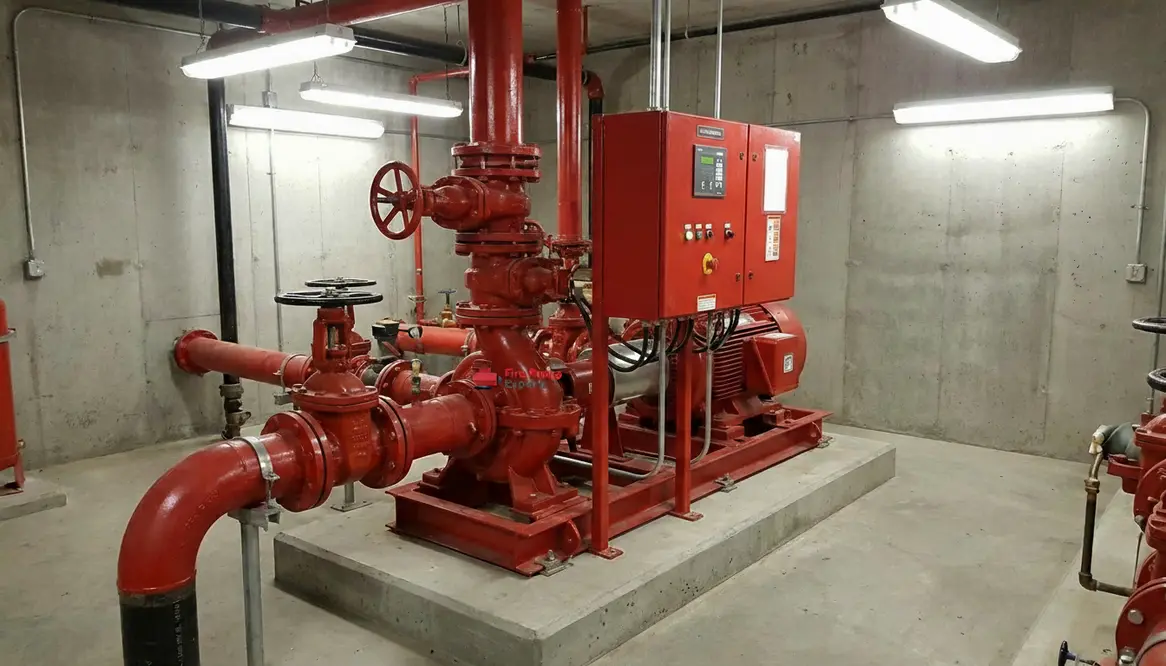
Fire Pump Installation Requirements for IS Systems
A practical walk-through of what matters most before, during, and after IS installation so your fire pump is ready when everything else is going wrong.
IS Fire Pump Installation Requirements Overview
When I talk about IS installation, I am talking about one of those jobs that looks simple from far away and then suddenly asks for a permit, a plan, a pressure test, and a calm person with a clipboard. In commercial and industrial buildings, a fire pump is not a nice extra. It is part of the life safety plan, and it has to work when the building needs it most. So, I want to walk you through the main requirements in a clear way, without turning it into a fire code sleep aid. After all, nobody wants their emergency system to perform like a frozen laptop in the middle of a deadline.
Below, I break down the core points I look at for proper fire pump installation in major properties, from room layout to power supply to final testing. I will keep it practical, direct, and focused on what matters for facilities that cannot afford guesswork.
What I check before the pump even arrives
Before any equipment gets bolted down, I verify that the building design supports the pump system. First, the fire pump must match the water demand of the property. That means I look at sprinkler needs, standpipe needs, and the size of the site. Then I check the water source. A weak supply can make a strong pump look useless, which is a little like putting racing tires on a shopping cart.
I also make sure the pump room has enough space for safe access, service, and ventilation. The room must stay dry, secure, and easy to reach for staff and emergency crews. In addition, the site needs proper drainage so water does not pool around the equipment. Moisture and electric gear never form a great friendship.
How I handle IS installation in commercial buildings
For commercial and industrial facilities, I treat IS installation as a full system job, not just a pump set on a pad. The pump, driver, suction piping, discharge piping, valves, controls, and alarms all need to work as one unit. Therefore, I check that the pump sits on a stable base and lines up correctly with the motor or engine. If the alignment drifts, vibration can damage the system and shorten its life.
I also confirm that suction piping stays short, straight, and properly sized. Any restriction can cut flow and raise the risk of cavitation. That is a fancy term for a very bad day. On the discharge side, I make sure the piping can handle pressure and that the system includes the right valves, gauges, and test connections. Every piece has a job. If one part acts like the star of the show, the whole system can suffer.
Fire pump room requirements that matter most
The fire pump room must support quick response and safe operation. First, I want clear access paths so crews can reach the equipment without moving storage, boxes, or mystery pallets from 2019. Then I check lighting, power, heat, and ventilation. The room should stay warm enough to protect equipment in cold weather and cool enough to avoid overheating.
I also look at fire protection for the room itself. In many cases, the room needs fire rated separation and proper protection based on code and building use. Since these pumps protect commercial and industrial sites, the room must stay dedicated to the system. It should not double as a storage closet, break area, or the place where random building stuff goes to disappear forever.
Quick requirement vs. benefit snapshot
Requirement
Proper pump sizing
Stable foundation
Clear access
Reliable power supply
Why it matters
It ensures the system delivers the needed flow and pressure.
It reduces vibration and protects alignment.
It helps with testing, repairs, and emergency use.
It keeps the pump ready when the main system fails.
Power, controls, and testing
Next, I focus on the power source. Fire pumps often use electric motors, diesel engines, or both, depending on the design and site risk. For electric pumps, I verify the service, wiring, controller, and backup power arrangement. For diesel units, I check fuel supply, ventilation, battery support, cooling, and exhaust routing. Either way, the system must start fast and keep running when other systems have already thrown in the towel.
Controls and alarms matter just as much. I make sure the pump starts automatically when pressure drops and that signals reach the right people. Then I move to testing. Flow tests, churn tests, and startup checks show whether the pump performs as designed. This step is not optional. It tells me if the installation can do the job under real demand, not just look impressive on paper like a superhero costume with no superpowers.
Why code compliance keeps the whole system safe
Code compliance protects the building, the people inside, and the insurance reality that comes after a loss. I follow the fire code, local rules, and project specs so the pump system supports the full fire protection plan. Because these systems serve commercial and industrial properties, the stakes stay high. A missed requirement can lead to delays, failed inspections, or worse, a system that does not perform when needed.
I also recommend reviewing trusted industry references and manufacturer guidance during the planning stage. For more technical direction, I suggest using this fire pump installation guide for commercial facilities as a helpful reference point when coordinating design and compliance work.
Treat every IS installation as part of an integrated fire protection strategy, not a standalone upgrade. When the code, the hardware, and the layout align, the result is a system that quietly waits in the background and comes alive exactly when it is needed.
FAQ
Conclusion
If you manage a commercial or industrial property, I would treat fire pump installation as a mission critical task, not a box to tick and forget. The right design, room setup, power support, and testing plan all work together to protect the building and the people inside. When IS installation is planned carefully, documented properly, and tested thoroughly, the system becomes a quiet guardian instead of a questionable last-minute add-on.
If you want a system that stands ready without drama, I recommend reviewing your facility needs early and bringing in a team that knows the code, the hardware, and the stakes. Align your IS installation with the rest of the fire protection strategy, keep the pump room clear and dedicated, and insist on rigorous commissioning. That combination gives your building the best chance of staying operational after an event instead of becoming the example everyone talks about in the next safety meeting.