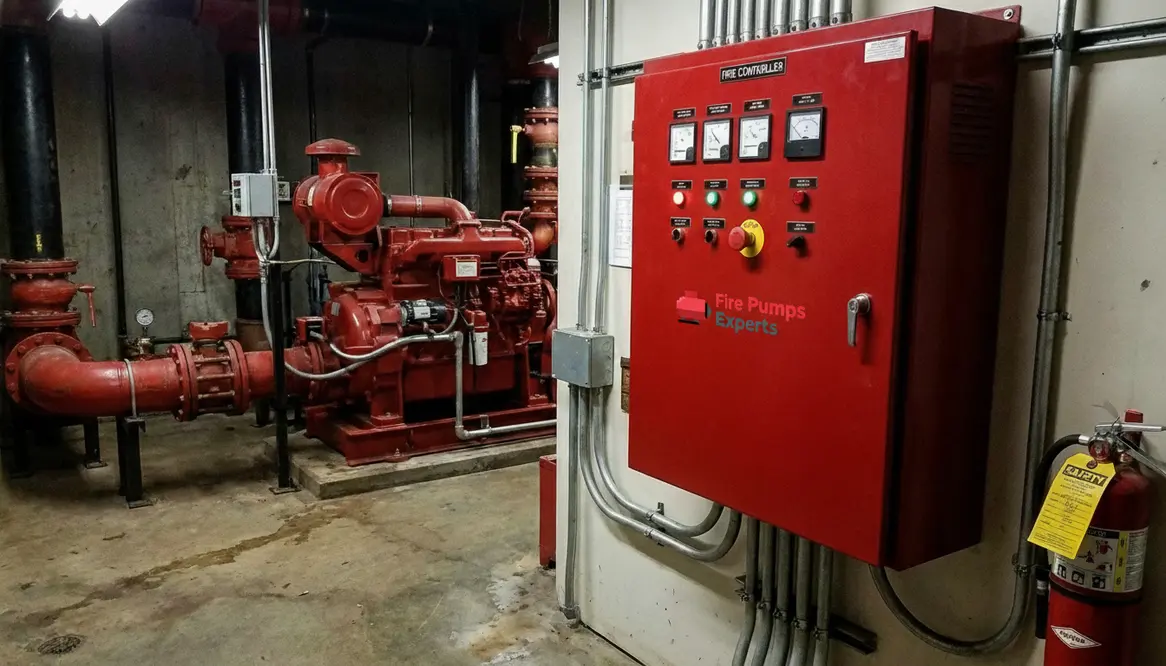
IS Fire Pump Controller Requirements Guide
IS Fire Pump Controller Requirements Explained
I have seen a lot of building owners nod politely when fire pump controllers come up, then quietly hope the subject changes before coffee cools. Still, this topic matters. For commercial and industrial facilities, and for major property buildings, an IS controller is not just another box on the wall. It helps keep the fire pump ready, reliable, and compliant when pressure drops and the system must respond fast. In this article, I will break down the main requirements in plain language, so you can understand what matters, why it matters, and where the usual trouble spots hide.
What an IS fire pump controller does in a commercial facility
An IS controller starts and manages the fire pump when the system senses a drop in water pressure. That sounds simple, but the job is serious. In a large commercial site or industrial plant, the controller must react fast, stay dependable, and support the fire protection system without drama. In other words, it should do its job like the best side character in a movie: no spotlight, just results.
First, the controller must match the pump type and power source. Then, it must work with the fire protection design for the building. I always look at this as a team effort. The pump, controller, power supply, pressure sensors, and alarms all need to work together. If one piece acts up, the whole system can wobble like a shopping cart with one bad wheel.
Key IS controller requirements to check first
Core safety and compatibility checks
When I review an IS controller for a major property, I focus on the basics that keep the system safe and code ready. These items matter most:
- It must be listed and approved for fire pump use.
- It must fit the voltage, phase, and horsepower of the pump motor.
- It must include clear start and stop functions.
- It must show alarms for power loss, phase issues, and controller trouble.
- It must allow manual operation when needed.
- It must stay accessible for inspection, testing, and maintenance.
Why controller placement and access are non‑negotiable
Also, the controller should sit in a safe location with enough room around it. If people have to squeeze past storage racks or equipment to reach it, that is a problem. I have seen facilities treat access like an optional bonus. It is not. During an emergency, nobody wants a controller hidden behind a tower of cleaning supplies and broken promises.
Code and performance needs without the jargon
Fire pump controller rules often tie back to fire code, electrical code, and the building’s own protection plan. For commercial and industrial facilities, the standards guide how the controller must perform under normal and emergency conditions. So, I always check that the controller can support reliable pump startup, proper monitoring, and alarm reporting.
Here is the simple version. The controller must know when pressure falls. It must tell the pump to start. It must keep running until a trained person stops it in the proper way. It must also report problems fast. That means no guessing, no delays, and no “let’s see what happens” attitude. This is not a sci fi plot. It is life safety.
IS controller installation and inspection priorities
Installation quality in real‑world conditions
Installation matters just as much as the controller itself. A good unit can still fail if the setup is sloppy. So, I look at wiring quality, grounding, labeling, and environmental conditions. Heat, moisture, dust, and vibration can all cause trouble. Industrial sites often have extra wear from harsh spaces, so I pay close attention there.
Inspection, testing, and catching problems early
Inspection should confirm that the controller works as intended and that every alert, switch, and display function responds correctly. Regular testing also helps spot small issues before they become big ones. Frankly, that is where a lot of cost control happens. A minor repair today is far cheaper than a fire protection failure later. Even Batman would agree with that logic, and he trusts gadgets with his life.
Quick reference: requirements and why they matter
Requirement
Listing and approval
Correct electrical match
Alarm functions
Easy access
Proper environment
Why it matters
Confirms the controller is built for fire pump service
Helps the pump start and run safely
Warns staff about faults and power problems
Supports testing, inspection, and emergency response
Reduces damage from heat, dust, and moisture
When to schedule a closer review of the system
Changes that should trigger a fresh look
I recommend a deeper review when a facility expands, changes its electrical setup, or updates its fire protection plan. New loads on the power system can affect performance. Likewise, if the building adds new equipment, storage density, or production areas, the fire pump controller may need a fresh look. The same goes for older controllers that have seen better days. Some units still work, but they age like movie sequels nobody asked for.
Treating the controller as part of an active safety plan
In commercial and industrial buildings, the risk profile can change fast. Because of that, I advise owners and managers to treat the controller as part of an active safety plan, not a one time purchase. The best approach is steady review, smart testing, and quick action when issues appear.
If you are evaluating an IS controller as part of a broader reliability upgrade, consider how it interacts with your alarms, monitoring, and pump power source. Viewing the entire chain as one system helps avoid blind spots that only show up during an emergency.
FAQ: IS fire pump controllers in commercial and industrial buildings
Conclusion
If you manage a commercial or industrial facility, I urge you to give your fire pump controller the attention it deserves. A proper IS controller supports system reliability, helps meet code demands, and protects your building when every second counts. I can help you review your current setup, spot weak points, and plan the right next step. If you want clarity instead of guesswork, now is the time to act and strengthen your fire protection system.