India Fire Pump Water Supply Requirements Guide
India Fire Pump Water Supply Requirements: what commercial and industrial buildings must know
I have seen one truth hold steady in every serious building project: fire safety is only as strong as the water behind it. In India water supply planning for fire pumps, the system must do one job very well. It must deliver enough water, at the right pressure, for the right time, when the heat is on and everyone is looking at the sprinkler line like it is the final scene in a thriller. For commercial towers, industrial plants, and major property buildings, this is not a side note. It is the backbone.
So, I will break down the fire pump water supply requirements in a clear way. I will keep it practical, because nobody needs a safety plan that reads like a mystery novel written by a bored engineer.
What fire pump water supply must do
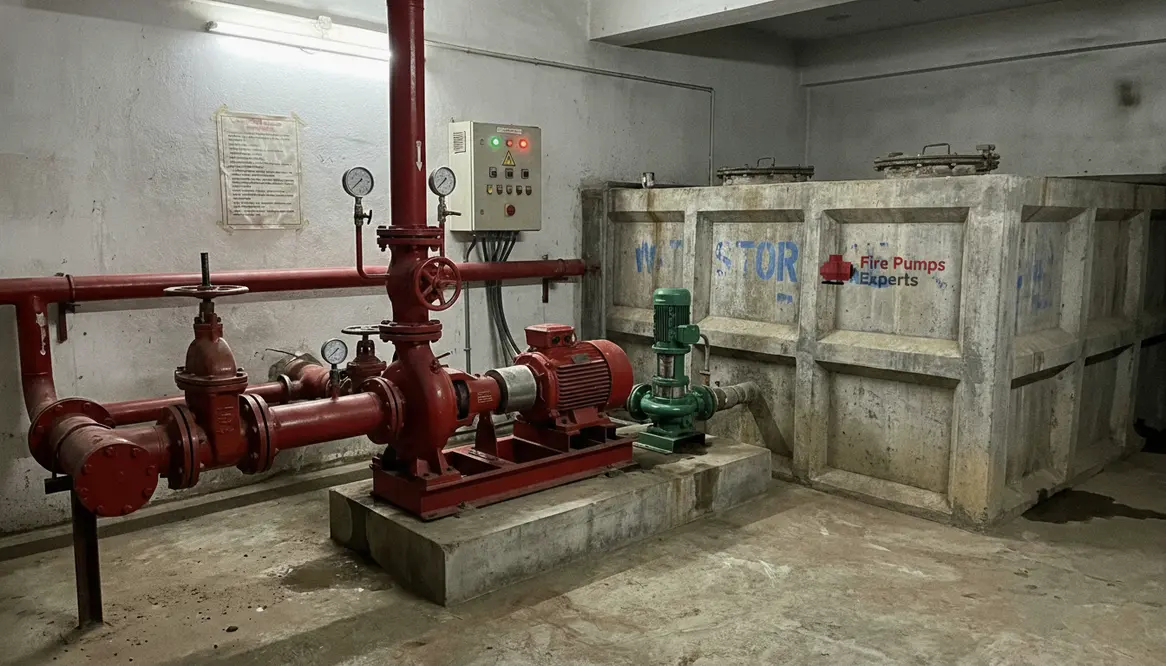
A fire pump system needs a dependable water source. In India, that source often comes from an underground tank, a dedicated fire water storage tank, or a boosted municipal supply if it meets the design need. However, the system must always support the full fire demand without delay. That means the pump cannot wait for the supply to “catch up.” Fire does not wait, and frankly, it has terrible timing.
The water supply must support:
- Full design flow for the most demanding part of the fire system
- Required pressure at the pump discharge and at the farthest outlet
- Required duration so the system keeps working long enough for response and control
- Reliable refill when the design expects replenishment
For large buildings, I always treat the water source as mission critical. If it fails, the rest of the system starts to look like a superhero with a missing cape.
How India water supply rules shape fire pump design
India water supply planning for fire protection follows local codes, fire authority rules, and project specific risk needs. In practice, I look at three things first: occupancy, building height, and fire load. A warehouse with high fuel load needs a very different setup from a shopping mall or office tower. Industrial sites may need even more water because process areas can raise the risk fast.
Then I check if the supply is:
- Independent from normal building demand
- Protected from interruptions
- Large enough for the full emergency run time
- Easy to inspect and maintain
Also, the suction side matters just as much as the discharge side. A pump can only deliver what it can take in. If the source starves the pump, the pump starts to complain in the language of cavitation, and that is not a language anyone wants to learn on a Friday night.
Water storage and dual column planning for large facilities
Here is where planning gets serious. For major properties, I usually separate the water storage strategy into two parts.
Fire water storage
Fire water storage should stay dedicated to emergency use. I do not like mixed use tanks for critical systems unless the design strongly supports it and the authority accepts it. The reason is simple. If regular building demand can drain your fire reserve, you have invited trouble to the table.
Pump arrangement
Pump arrangement should include a main fire pump, a standby pump where required, and a jockey pump for pressure support. The jockey pump handles small pressure drops so the main pump does not start for every tiny leak or fluctuation. That saves wear, and it also saves the main pump for the real moment. Like a good supporting actor, it works quietly until the plot turns intense.
For industrial and large commercial sites, I often recommend thinking in two columns:
- Water source side
- Pump and distribution side
This dual view helps me catch weak points faster. On one side, I confirm storage, replenishment, and suction conditions. On the other side, I confirm pressure, flow, and pipe losses. Together, they tell the full story.
Key pressure and flow checks I always review
I do not trust guesswork here. I check the design numbers against the actual site conditions. First, I confirm the pump duty point. Then I verify that the water source can support that duty point for the needed duration. After that, I look at friction loss in pipes, elevation changes, and the demand from sprinklers, hydrants, or both.
- Flow rate must match the fire risk and system type
- Pressure must reach the critical outlets
- Tank volume must cover emergency run time
- Refill capacity must support recovery after use
- Suction conditions must prevent pump instability
Furthermore, the system should allow testing without draining the emergency reserve by accident. A building owner should not need a miracle every time someone schedules maintenance.
What I check before approving a fire pump water source
Before I call a system ready, I want the basics locked down. I inspect the source, the storage, the pump room, and the control logic. I also verify access for maintenance, because a great pump hidden behind bad planning is just an expensive decoration.
I look for:
- stable suction feed
- proper tank level controls
- clear refill arrangements
- backup power for pump operation
- reliable valves and monitoring
- routine testing access
For commercial and industrial facilities, this discipline matters even more. These sites often face higher occupancy, larger assets, and tougher fire risks. Therefore, the water supply design must support real conditions, not just paper compliance. In other words, it must work when the building is under pressure and nobody has time for theory.
Why India water supply reliability is the real backbone
In many projects, the discussion starts with pump brands, control panels, and shiny equipment. Yet the quiet part that matters most is how steady the India water supply really is when conditions turn hostile. Underground tanks must resist contamination, pipe routes must be protected from accidental damage, and refill lines must not depend on wishful thinking or seasonal luck.
If the local network is unreliable, the fire reserve must be more generous. If the area has frequent power cuts, diesel pumps or reliable backup power become non‑negotiable. When a project team respects these realities early, the conversation shifts from “Will this pass inspection?” to “Will this actually work when the temperature and tension both go up?” That is the standard every serious commercial or industrial site deserves from its India water supply planning.
FAQ
Conclusion
If I want a fire pump system to protect a commercial or industrial building, I start with water and I never treat it as an afterthought. The right supply, storage, pressure, and testing plan create real confidence. So, if your project needs a dependable fire safety setup, review the source, confirm the capacity, and make sure every piece works together. Good fire protection begins long before the alarm sounds, and that is where smart planning pays off. For more detailed technical guidance and resources, you can review specialist material at https://firepumps.org/, and then adapt those principles carefully to the realities of India water supply conditions on your own site.