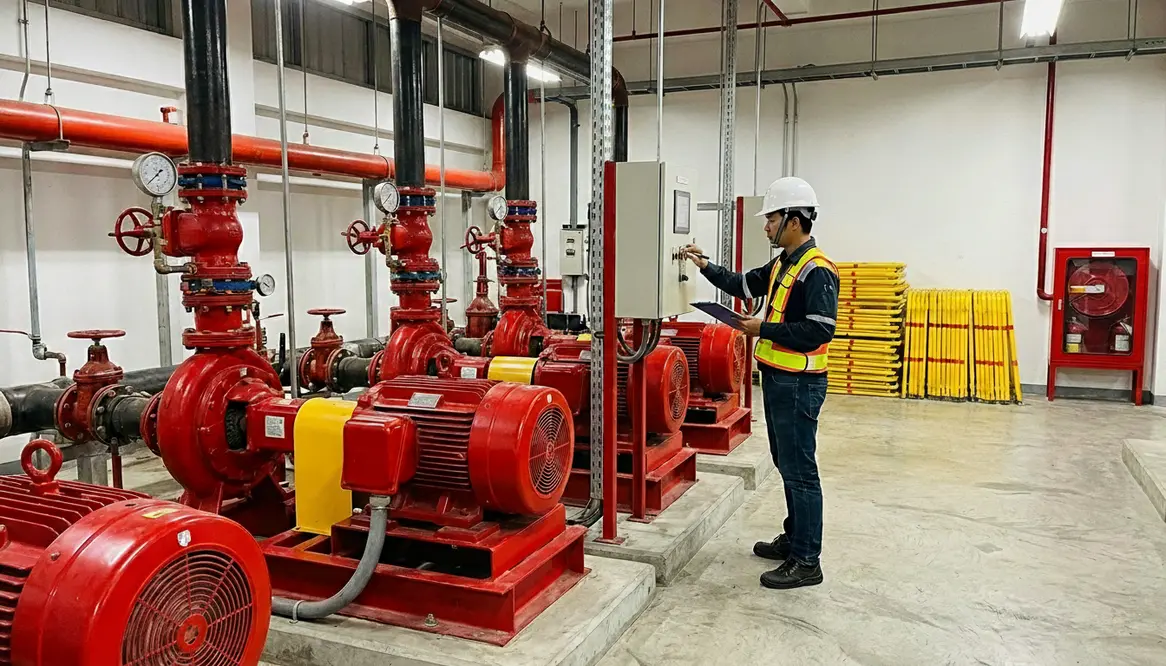
China GB Fire Pump Standards Guide for Compliance
When I look at fire protection in commercial and industrial buildings, I always come back to one thing: China GB standards. They set the pace for how fire pumps should perform, how they should be tested, and how they should fit into a building’s larger fire safety system. If you manage a factory, warehouse, hospital, shopping center, or a major property building, these standards are not just technical paperwork. They are the backbone of a system that may have to work under pressure, literally and legally. And yes, fire pumps are a bit like the backup singer nobody notices until the headline act falls apart.
In China, GB standards guide the design, installation, performance, and acceptance of fire pump systems. As a result, they help owners and engineers build systems that can deliver steady water flow when it matters most. In this article, I break down the key points in plain language, so you can understand what matters, what to check, and how to stay on the right side of compliance without needing a room full of law books.
China GB Fire Pump Standards Overview
China GB standards cover the core rules for fire pump selection, setup, testing, and operation in major buildings. In practice, they tell you what kind of pump to use, how much pressure it should provide, how the system should be arranged, and how it must respond during a fire event. Therefore, they help make sure the pump does not freeze up like a sitcom side character under pressure.
For commercial and industrial sites, these standards often focus on system reliability. I look at water supply, pump performance, backup power, controller function, and alarm linkage. In addition, the standards often work together with other fire safety rules, so a fire pump does not stand alone like a lone guitar player at a stadium show.
What China GB Standards Cover For Fire Pumps
Core coverage
China GB standards cover how fire pumps are selected, installed, tested, and operated in large buildings. The focus is on keeping water delivery stable when sprinklers, hydrants, and hose reels call for help. That includes pump performance, pressure rating, power supply, automatic start, and alarm interaction with the rest of the fire system.
System reliability
For commercial and industrial properties, I focus on how the standards keep the system from falling apart when the pressure hits. I look at water source capacity, net pressure at critical points, backup power readiness, and how the controller decides when to start or stop the pump.
How this plays out in real projects
In practice, the standards stop your fire pump from becoming the quiet weak link of a beautiful design. They push you toward pumps that can hold pressure, run long enough, and talk to the rest of the fire system through alarms and signals. That way, the pump does not stand alone like a guitar player trying to cover a full orchestra score.
When I review design drawings, I keep the China GB standards close. They shape choices on pump head, flow, curve margins, and how the controller responds to pressure drops or power cuts.
Key China GB Standards I Check First
When I review a fire pump project, I start with the standards that shape the whole system. The exact document list changes by project type and city, but the main China GB standards usually guide four big areas: performance, system design, testing and acceptance, and ongoing operation.
Performance and design
- Fire pump performance: The pump must deliver the required flow and pressure for the building’s fire system across the operating range, not just at a single magic point.
- System design: The layout must support stable operation and quick response, including suction conditions, discharge headers, valves, and relief arrangements.
Testing and lifecycle
- Testing and acceptance: The installed system must pass inspection and acceptance before it goes live, with proof of startup, flow, pressure, and alarm performance under load.
- Operation and maintenance: The pump must stay ready through routine checks, scheduled service, and clear records that keep inspectors and insurers calm.
Moreover, I always confirm whether the project calls for a main pump, jockey pump, standby pump, or a complete pump set. Each part has a job, and if one part misses its cue, the whole system can stumble. That is not the kind of drama anyone wants in a warehouse full of high value goods.
How I Read Compliance For Major Properties
For major properties, I focus on practical compliance, not just paper compliance. First, I check whether the building use matches the pump capacity. Then I look at the water source, the system pressure needs, and the fire protection network it supports. After that, I review the control method, because a pump that cannot start fast enough is about as helpful as a flashlight with dead batteries during a blackout.
Quick project check matrix
| Project point | What I verify |
| Water supply | Enough flow and a stable, reliable source |
| Pump size | Matches fire system demand with margin where required |
| Controls | Starts fast and works as intended for all modes |
| Backup power | Supports emergency operation for the specified duration |
| Testing | Passes acceptance checks under realistic load |
Furthermore, I pay close attention to the fire pump room. It should allow safe access, proper ventilation, and clear maintenance space. In a real emergency, people do not have time to play hide and seek with equipment.
Why Testing Matters In China GB Standards
Testing matters because a fire pump can look perfect on paper and still fail in the real world. China GB standards require proof. The system must go through inspection and acceptance testing before use, and it should also face regular checks after installation. I treat this as the fire safety version of rehearsal before opening night.
During testing, I want to see stable startup, proper pressure, correct alarm signals, and dependable automatic control. In addition, I check whether the pump can handle the design load without trouble. If the result looks weak, I do not shrug and hope for the best. Hope is nice. Compliance is nicer.
What I Recommend For Fire Pump Selection
When I help evaluate a project, I always recommend starting with the building’s real fire risk, not a guess. Industrial plants may need different pressure levels than a mixed use tower or a logistics center. Therefore, the system must match the site, not some imaginary “average” building that exists only in spreadsheets.
Working with people who know the rules
I also recommend working with suppliers and engineers who understand China GB standards and the local approval process. That saves time, reduces rework, and lowers the chance of a costly delay. In business terms, that is the difference between smooth operations and a very expensive headache wearing a hard hat.
Planning early for major properties
If you serve commercial or industrial properties, I suggest reviewing your fire pump plan with a specialist early. That way, you can catch gaps before they turn into inspection problems or worse, system failure. For those who want deeper support, I would point them to a trusted resource like China GB fire pump compliance guidance for major properties to help connect standards with real project needs.
Across all of this, I keep circling back to how China GB standards shape the practical choices: which pump curve to pick, how much redundancy to allow, and what kind of control philosophy will still make sense at 3 a.m. when alarms start screaming.
FAQ: China GB Fire Pump Standards In Practice
Before getting into specific questions, it helps to remember that China GB standards do not exist to annoy project teams. They exist to keep water moving when everything else is going wrong. With that in mind, here are answers to the questions I hear most often.
Conclusion
I treat China GB standards as the foundation for every serious fire pump project in commercial and industrial buildings. They help me match the right equipment to the right risk, avoid weak points, and keep systems ready when pressure rises. If you want better compliance, fewer delays, and a stronger fire protection plan, now is the time to review your current setup and act on it. A good fire pump does not ask for applause. It just shows up when it counts.