China Fire Pump Requirements Guide for Compliance
China Fire Pump Requirements Explained
When I look at China requirements for fire pumps, I see more than a checklist. I see the backbone of fire protection for commercial and industrial facilities, along with major property buildings. These systems must deliver steady water pressure, fast response, and dependable performance when the heat turns serious. That sounds simple, until you realize the rules can feel like a maze built by a very stern architect. Still, once I break them down, the path gets clearer. In this guide, I’ll walk through the main rules, the design logic, and the compliance points that matter most. No drama, just the facts, with a little seasoning.
What I check first in China fire pump requirements
I always start with the building use. In China, fire pump systems must match the risk level, building height, water demand, and occupancy type. A warehouse, a factory, and a large office tower do not get the same setup. That would be like giving Batman, Shrek, and Iron Man the same vehicle and hoping for the best. Not ideal.
For commercial and industrial properties, I look at the fire code, local standards, and the project’s water source. The pump must support the sprinkler system, standpipe system, or hydrant system, depending on what the building needs. Also, the system must keep enough pressure and flow during a fire event. If the pump cannot hold that demand, the whole system starts acting like a phone battery at 2 percent.
The main design rules I follow in China requirements
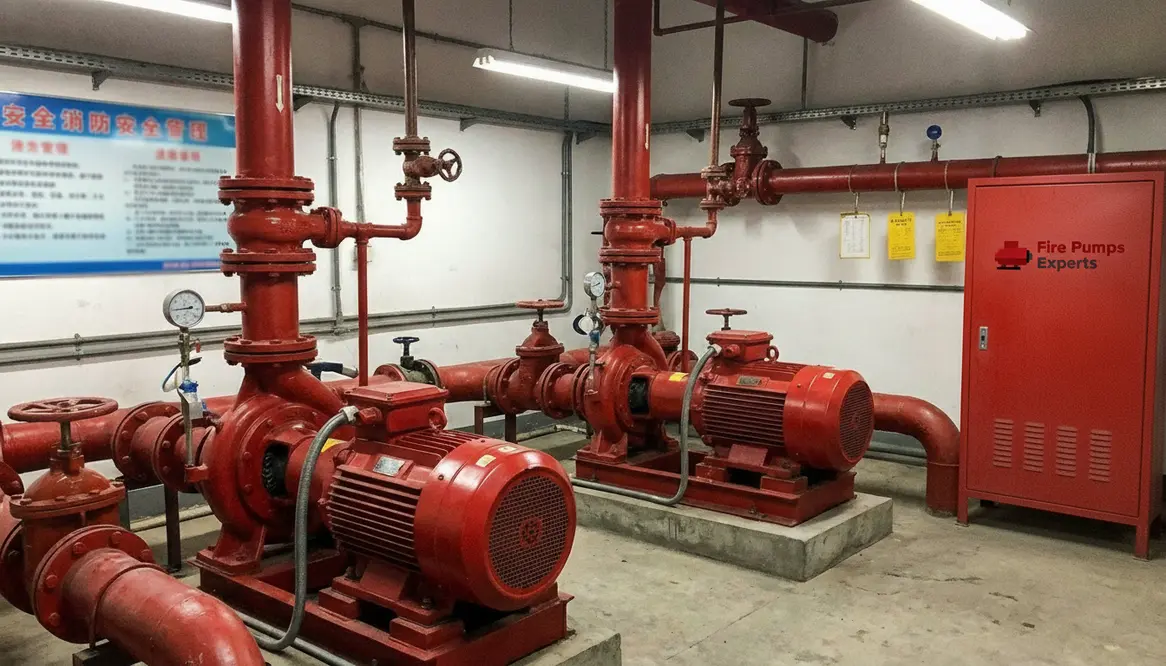
China fire pump requirements focus on reliability, redundancy, and clear performance. First, I check whether the pump room has proper access, drainage, ventilation, and protection from flooding. Then I review the pump type, capacity, and power supply. The design must make sure the system still works if one part fails.
Key design points
- Correct pump flow and pressure
- Backup power or a second power source
- Stable water supply
- Proper pump room layout
- Automatic start and reliable controls
Common trouble spots
- Undersized pumps
- Poor pump room ventilation
- Weak control wiring
- Bad maintenance access
- Unstable water pressure
Next, I check the pump sequence and control logic. The system should start automatically when fire demand appears. It should also allow manual operation. In many projects, a jockey pump keeps pressure steady and prevents the main pump from cycling too often. That small detail saves wear, noise, and a lot of future headaches.
How I verify equipment and installation
Equipment matters, but installation matters just as much. I inspect the pump base, pipe layout, valves, gauges, and electrical connections. If the installation looks rushed, I treat that as a warning sign. Fire protection is not the place for “close enough.” That phrase belongs in a cooking contest, not a pump room.
I also make sure the pump set suits the site conditions. For example, a high rise building may need different pressure control than a large plant with long pipe runs. In industrial buildings, vibration, dust, and heat can also affect performance. So I pay attention to materials, enclosure design, and service access. When the team can reach the equipment easily, maintenance becomes smoother and faster.
China requirements for testing and acceptance
Testing tells the real story. I never trust paperwork alone, because a fine report can still hide a weak system. During acceptance, I look for flow tests, pressure tests, automatic start tests, and backup power checks. The fire pump must meet the required numbers under real operating conditions. If the pump can only perform in theory, then it is basically a movie trailer with no film.
Authorities and project teams usually want records that show the pump delivered the correct flow and pressure. I also confirm alarm signals, controller behavior, and pump changeover function if the system has multiple units. Furthermore, the test results should line up with the approved design. If they do not, I dig into the gap right away. Small errors can grow into big compliance problems later.
Where I see the biggest compliance risks
From my experience, the biggest risks usually come from poor planning, weak coordination, and skipped maintenance. A team may select the wrong pump size, or they may forget to match the pump to the real water demand. Sometimes the issue comes from late design changes. Other times, the system gets installed well enough for the photos but not well enough for a fire.
Also, I see trouble when owners do not keep up with inspections. Fire pumps need routine checks, even after approval. That includes startup testing, pressure review, valve checks, and power verification. If a facility ignores that work, the system can lose reliability over time. And nobody wants to discover that during an emergency. That would be a very bad plot twist.
FAQ
Conclusion
If you manage a commercial or industrial property, I suggest treating China fire pump requirements as a core part of your fire strategy, not a side task. The right design, testing, and maintenance plan can protect your building, your people, and your budget. So, before you move forward, review the system against the real site demand, then talk with a trusted fire pump specialist who understands China requirements and major property needs.