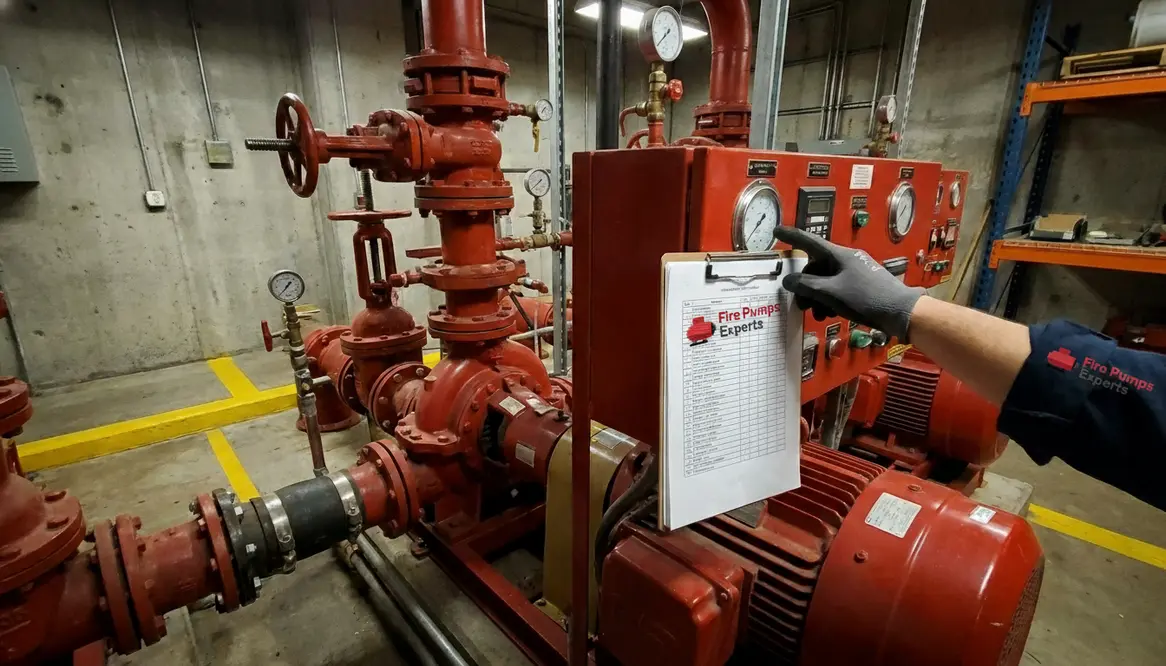
IS 12469 Fire Pump Requirements Practical Guide
IS 12469 Fire Pump Requirements for Firefighting Systems: A Practical Guide for Commercial and Industrial Buildings
When I talk about fire safety in commercial and industrial buildings, I always start with the IS 12469 requirements. These rules shape how a fire pump should perform, how it should be installed, and how it should support a firefighting system when every second matters. In plain terms, this standard helps keep the pump ready to do the one job it must never fail at: move water fast, reliably, and without drama. And yes, that is the kind of pressure even a superhero would respect.
For major properties, factories, warehouses, high rise business spaces, and similar sites, I see this standard as more than a checklist. It is a planning tool. It helps owners, engineers, and facility teams choose the right fire pump setup, reduce risk, and keep the system dependable under real fire conditions. Now let me walk through the parts that matter most.
What IS 12469 Requires from a Fire Pump Setup
The IS 12469 requirements focus on performance, reliability, and proper system design. I always look at the pump as part of a full firefighting chain, not a lonely machine sitting in a corner hoping for the best.
First, the pump must deliver the required flow and pressure for the building size and hazard level. Second, it must start quickly and work with minimal delay. Third, it should handle the duty expected during a fire event without losing efficiency. That sounds simple, but the real world likes to add a few plot twists.
In commercial and industrial facilities, the fire pump must support the sprinkler system, hydrant system, or both. So, I treat the pump selection as a life safety decision, not a purchasing task. I also keep an eye on the water source, pump room layout, power supply, and controls, because a strong pump means very little if the rest of the setup acts like it missed the memo.
Fire Pump Selection for Commercial and Industrial Sites
When I choose a pump for a major property, I start with demand. The site size, risk class, height, occupancy, and water supply all shape the final choice. A warehouse with high storage racks does not need the same setup as a multi storey office tower. One size fits all sounds neat, but fire protection does not work that way.
I also look at the pump type. Common options include electric driven pumps and diesel driven pumps, often paired with a jockey pump to hold system pressure. The goal is steady readiness. If the main pump is the star, the jockey pump is the quiet stage manager keeping things in order behind the scenes.
Key factors I compare when choosing a fire pump
Factor
Water demand
Power source
Building risk
Water supply
Pump room layout
What I check
Required flow and pressure
Electric or diesel backup
Occupancy and hazard level
Tank or main source capacity
Access, ventilation, drainage
Why it matters
It tells me if the pump can support the full system
It helps keep the pump working during outages
It guides the right pump size and duty
It ensures the pump has enough water to do the job
It supports safe operation and easier maintenance
Installation Rules and Daily Readiness
The IS 12469 requirements do not stop at choosing the right pump. Installation matters just as much. I always make sure the pump room gives enough space for operation, repair, and testing. The room should stay dry, easy to access, and clear of clutter. Fire safety equipment does not like a storage room makeover.
Then I check the suction and discharge piping. These lines must support smooth flow and avoid unnecessary loss. Poor piping can choke performance, and nobody wants a fire pump that acts like it is running uphill in heavy shoes. I also confirm that valves, gauges, control panels, and alarms all work together.
Routine checks keep the system ready. I recommend regular test runs, pressure checks, and visual inspections. In addition, teams should review fuel levels for diesel units, electrical health for motor driven units, and pump room conditions. A pump can only protect a building if someone keeps it awake and fit.
How IS 12469 Supports Testing and Maintenance
Testing shows whether the fire pump can perform under real demand. Maintenance keeps that performance from slipping over time. I always say a fire pump is like a classic movie franchise: the first release may be strong, but the sequels matter too.
The standard helps guide routine flow testing, pressure checks, and start up checks. These tests confirm that the pump starts when needed and delivers the expected output. I also value documentation. Test logs, service records, and inspection notes help teams spot small problems before they become expensive surprises.
For industrial buildings, I pay special attention to vibration, seal wear, bearing health, and power stability. These details may sound small, yet they can decide whether a pump stays dependable or turns into a very costly paperweight. And unlike a bad office coffee machine, this one cannot afford a bad day.
FAQ: IS 12469 Fire Pump Requirements
Final Thoughts and Next Step
If you manage a commercial or industrial property, I strongly suggest treating the IS 12469 requirements as a working guide, not a shelf document. A well planned fire pump system protects people, property, and business continuity. So, review your setup, test it often, and fix weak points before they become expensive lessons. If you need support with fire pump planning, assessment, or compliance for your major property, now is the right time to take action and speak with a specialist. You can start by exploring resources at https://firepumps.org and then reviewing how closely your current system aligns with the IS 12469 requirements in practice.