Thailand Fire Pump Requirements for Commercial Projects
Fire pumps decide whether a commercial building’s fire protection is just paperwork or real protection. In a Thailand commercial project, the goal is not a checkbox; it is a system that works when pressure drops and people need a way out.
When I look at fire protection in a Thailand commercial project, I do not see a box to tick. I see a system that can decide whether a building stays standing in the eyes of law, insurers, and common sense. A fire pump is not the flashy part of the setup, yet it is the workhorse in the background, the kind of hero that does not ask for applause. And yes, like the best supporting actor in a blockbuster, it only gets noticed when things go very wrong.
In Thailand, commercial and industrial buildings need fire pump systems that can support sprinkler lines, standpipe systems, and other water based fire protection gear. I will walk through the key requirements, the design logic, and the practical points I always check before any installation moves forward. So, let us keep this calm, clear, and useful. Nobody wants a fire safety plan that reads like a bad sequel.
What a Thailand Commercial Fire Pump System Must Do
I start with the main job. A fire pump must deliver the right water pressure and flow when the normal supply cannot keep up. In a large business tower, factory, warehouse, or mixed use complex, that pressure can drop fast during an emergency. Therefore, the pump steps in and keeps the fire system alive.
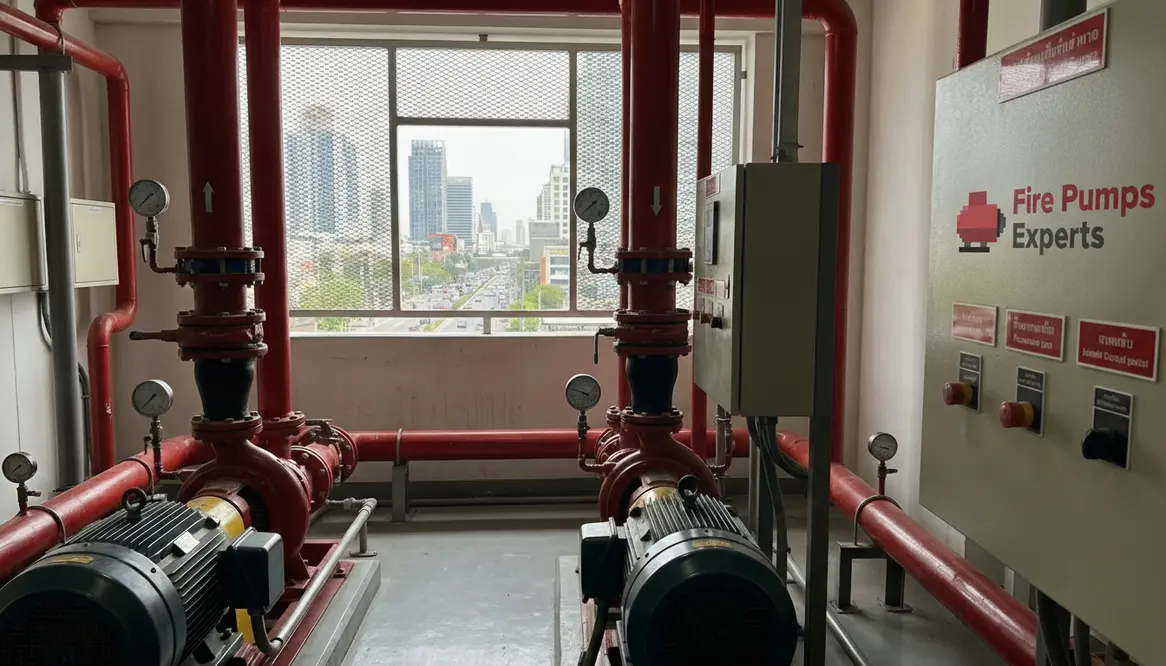
In most commercial projects, I look for a complete pump set that includes the main pump, a backup pump, and a jockey pump. The main pump handles the fire load. The backup pump takes over if the main unit fails. Meanwhile, the jockey pump keeps the system pressure steady so the main pump does not start every time the pressure twitches like a nervous extra in a thriller.
Core Codes and Context for Thailand Commercial Projects
Thailand fire pump requirements usually follow local building rules, fire code guidance, and insurer needs. However, each project still needs a proper design check based on building size, use, hazard level, and water demand. That means I never treat one project like a clone of another. A shopping center and a logistics warehouse may both wear the same suit on the outside, but inside they live very different lives.
Design Rules I Check First
Before I sign off on any plan, I check these core points.
- Water source must support the pump demand for the full required time.
- Pressure and flow must match the sprinkler and hose reel load.
- Backup power must keep the fire pump working during power loss.
- Pump room access must stay clear, safe, and easy to reach.
- System testing must allow routine checks without major shutdowns.
These points may sound simple. Still, the small details carry the day. A pump that works on paper but fails under load is just expensive theater.
How I Handle Thailand Commercial Building Compliance
Now, compliance is where many owners start smiling less. Fair enough. Codes can feel dry, but they protect lives and assets. For a Thailand commercial project, I always check the project against local fire authority rules, building permits, engineer approval, and the fire protection standard used by the project team.
In many cases, the design must reflect the building type, risk level, and total protected floor area. A high rise office building may need a different setup from a factory with storage racks and heat load. Also, water tanks, pump size, controller type, and standby power all need to work as one system. If one part is weak, the whole chain suffers. Fire safety is rude like that.
Design Side vs Approval Side
Design side
- Calculate fire demand
- Choose pump capacity
- Set suction and discharge layout
- Confirm power backup
Approval side
- Match local code
- Prepare drawings and specs
- Pass authority review
- Document testing and commissioning
This split keeps the process clean. Also, it helps me avoid the classic “we thought it would be fine” conversation. That phrase has sunk more projects than bad coffee and Monday mornings combined.
How I Choose the Right Fire Pump
I do not choose a fire pump by brand hype or by whatever looks tough in a catalog photo. I choose it by duty. First, I study the water demand. Then I look at the building height, pipe network, sprinkler type, and hazard class. After that, I match the pump curve to the real need, not a fantasy version of it.
For major properties, I often recommend a packaged fire pump set because it brings the pieces together in one tested arrangement. That usually includes:
- Main fire pump
- Standby fire pump
- Jockey pump
- Controllers
- Valves, gauges, and fittings
Quality matters here. So does installation. A strong pump in a poor room is like putting Batman in a canoe. He may still try, but the setup is not helping.
Why Testing and Maintenance Matter
Even the best fire pump loses its edge if nobody tests it. So I always push for routine checks, flow tests, alarm tests, and power source tests. These checks prove the system can start, hold pressure, and deliver water when called upon.
For industrial sites and major commercial buildings, I also watch for corrosion, vibration, seal wear, battery issues, and controller faults. A small leak today can become a major repair later. Therefore, scheduled maintenance saves money and avoids ugly surprises. In business, surprises should stay in birthday cakes, not in pump rooms.
Good records also matter. When I keep logs of test dates, readings, and repairs, I make future inspections easier. That paper trail can help with compliance reviews, insurance claims, and long term asset planning in any Thailand commercial setting that takes continuity seriously.
Quick Snapshot: Typical Components in Thailand Commercial Projects
Core hardware
- Electric or diesel main fire pump
- Standby pump sized for full duty
- Jockey pump for pressure maintenance
- Listed controllers and panels
Support systems
- Dedicated water storage
- Reliable power and fuel supply
- Valves, gauges, flow meters
- Accessible, protected pump room
FAQ for Thailand Commercial Fire Pump Projects
Conclusion
If you want a fire pump system that holds up in a real Thailand commercial project, I suggest starting with code, load, and site risk. Then build the system around those facts, not guesswork. A good design protects people, property, and business uptime. So, if you are planning a commercial or industrial facility, reach out now, review the layout early, and make sure your fire pump system is ready before anyone needs it. That is the smart move, and frankly, the calm one.
If you want deeper technical references or example configurations, you can review industry resources such as https://firepumps.org alongside local Thai fire codes and insurer guidelines to fine tune your next project.