Thailand Fire Pump Compliance for Buildings Guide
Thailand Fire Pump Compliance Guide for Buildings
When I talk about fire safety in Thailand compliance, I am not talking about paperwork for the sake of paperwork. I am talking about commercial and industrial buildings, major property sites, and the systems that stand ready when heat, smoke, and panic decide to crash the party. A fire pump is not a nice extra. It is the muscle behind your sprinkler and standpipe system, and if it fails, the rest of the setup can feel like a superhero with a flat tire. So I keep this guide practical, clear, and focused on the rules that matter for real buildings, not toy examples.
In this article, I walk through what I check, what owners often miss, and how I stay on top of fire pump requirements without turning the whole thing into a circus. Because yes, the codes matter. And yes, somebody has to read them.
Why fire pumps decide how a bad day ends
Thailand compliance around fire pumps is not about making binders look thick. It is about whether the building’s backbone for water supply holds up when heat climbs, people move, and time suddenly feels too short. The codes in the background exist so that in the foreground, your pump, pipes, and tanks behave like they have done this a thousand times before.
What I check first in Thailand compliance for fire pumps
I always start with the building use and risk level. That part sets the tone for everything else. Commercial towers, factories, warehouses, malls, and large mixed use properties usually need stronger fire protection than small sites. After that, I look at the fire pump type, water supply, suction source, and the demand from the sprinkler or standpipe system. If any one of those pieces is weak, the whole chain gets shaky.
1. Building profile and risk
- What is the main use: commercial, industrial, storage, mixed use?
- How many floors, how high, and how many occupants at peak?
- Any high hazard areas: fuel storage, paint booths, heavy plastics, or dense racks?
2. Pump, water, and system demand
- Is the pump electric, diesel, or a combined setup?
- Is the suction from a tank, city main, or a break tank?
- Does the rated flow and pressure truly match sprinkler and standpipe demand?
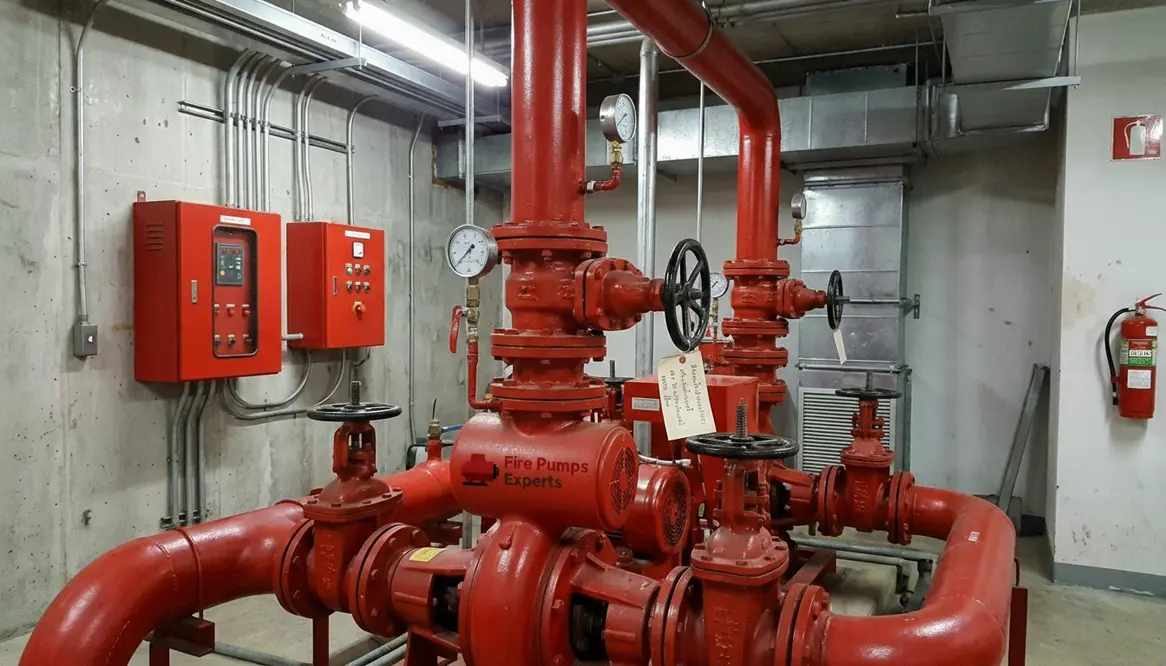
I also check whether the fire pump room has the right layout. It needs access, ventilation, drainage, lighting, and space for service work. A pump room that feels like a storage closet with ambition is not what inspectors want. Then I confirm that the pump can deliver enough pressure and flow for the building design. In simple terms, the system must push water where it needs to go, fast enough and long enough to matter.
Which documents and tests I need to show
Design and proof records
I keep these ready because they prove the system meets the code and the site needs.
Operation records
I keep these too, because a pump that only works on paper is like a movie trailer with no movie.
The key records include design drawings, pump data sheets, hydraulic calculations, as built plans, and test results. In addition, I look for commissioning reports and routine inspection logs. These documents show that the system was not just installed and forgotten like an old gym membership.
For testing, I focus on flow, pressure, automatic start, manual start, alarm signals, power supply, and controller function. I also check the jockey pump if the site has one. It helps hold pressure and reduces unnecessary starts. That small unit plays a big role, so I never treat it like the side character nobody remembers until the sequel.
How I keep commercial buildings ready for inspection
I use a simple habit. I inspect, I record, and I repeat. Fire pump compliance works best when the team follows a schedule and does not wait for an inspection notice to wake everyone up. I look at weekly pump runs, monthly control checks, and annual performance tests. I also make sure the maintenance team watches for leaks, vibration, noise, overheating, and pressure drops.
Power and backup readiness
For major properties, I also check backup power, fuel supply, and switchover time. If the main power fails, the fire pump still has to do its job. That is not the moment for drama. The building needs calm, steady pressure, not a suspense scene from a late night thriller.
Quick readiness checklist
- Is the pump room clear and accessible?
- Are valves open and tagged?
- Do the alarms work?
- Does the team know how to respond if the pump fails?
Those answers tell me a lot more than a polished presentation ever will.
Thailand compliance basics for major properties
For large buildings, I pay close attention to system size and system coordination. The fire pump must match the sprinkler demand, standpipe demand, and any special suppression setup on site. If the building has multiple zones, I check whether the pump can support them without losing pressure. I also look at water storage, because a strong pump with weak water supply still leaves the building under protected.
I also think about service access. Technicians need enough room to inspect and maintain the equipment without fighting walls, pipes, and poor planning. A good layout saves time and reduces mistakes. That matters because when a real event happens, no one wants a maintenance maze.
If a site wants deeper support, I suggest reviewing an expert resource like commercial fire pump compliance support for major properties. It helps owners and facility teams focus on systems built for industrial and commercial demand.
Common mistakes I see before a failed audit
I see the same issues again and again. First, teams skip test logs or leave them half filled. Second, they ignore small pressure changes until the pump complains in a very loud and expensive way. Third, they mix up maintenance for the pump, controller, and power supply as if those parts live separate lives. They do not.
Another common problem is poor coordination between the design team and the operations team. The system may meet the drawing, but the people on site may not know how to use or maintain it. That gap causes trouble. So I always push for training, clear labels, and simple response steps.
Quick Thailand compliance snapshot for fire pumps
Core expectations
- Fire pumps sized to match real sprinkler and standpipe demand
- Reliable water source and storage to feed the pump for the required duration
- Accessible, ventilated, and well lit pump rooms with proper drainage
- Documented tests, inspections, and maintenance that match the schedule
Why it pays off
Getting Thailand compliance right for fire pumps keeps insurers calmer, inspections shorter, and emergencies far less dramatic. It is the quiet background work that decides how serious a fire becomes and how fast people can walk away from it.
FAQ
Final CTA
If I want a building to stay ready, I treat fire pump compliance as a living system, not a one time task. So I keep the records tight, the tests regular, and the equipment honest. If your commercial or industrial property needs a sharper review, now is the time to act. I would rather fix a small issue today than explain a big failure tomorrow. In this game, prevention always looks cheaper after the fact.