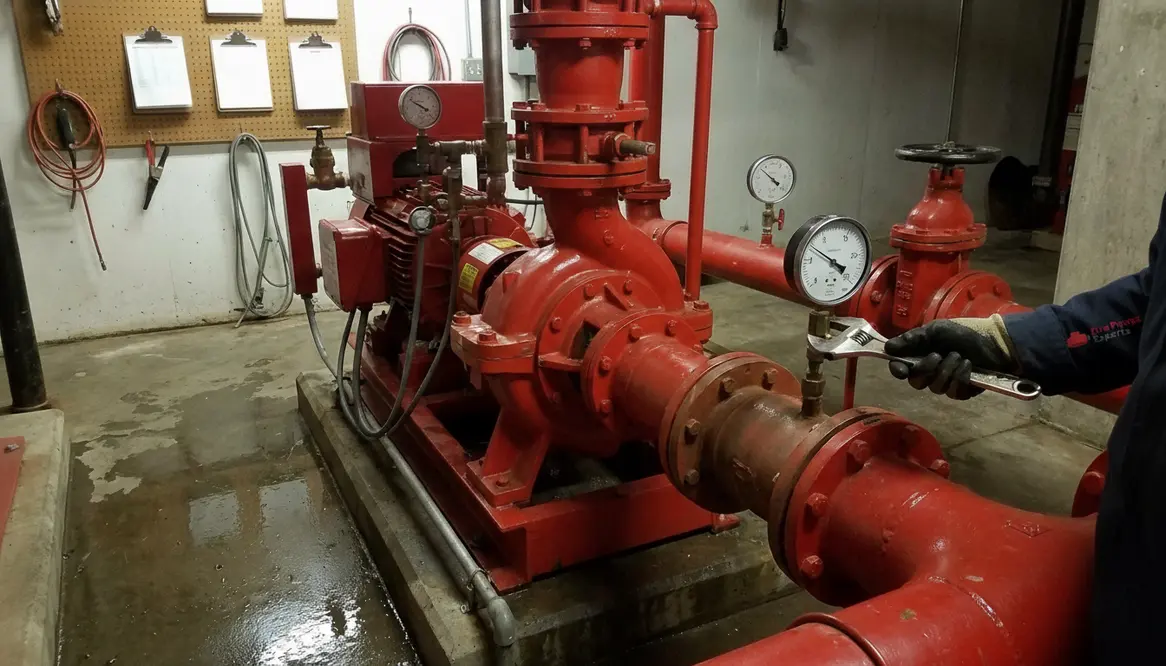
Fire Pump Discharge Pressure Problems and Fixes
When the system’s heartbeat is the pressure at the discharge flange, even a small glitch can turn into a big story. Here is what usually goes wrong, how to track it, and what to fix before it ruins your night.
Fire Pump Discharge Pressure Problems and Solutions
I have spent enough time around commercial and industrial fire systems to know one thing for sure: when fire pump discharge pressure goes sideways, the whole protection plan starts sweating a little. And yes, pressure problems can look simple on the surface, almost like a cranky gauge with attitude. But in the real world, the cause often hides deeper in the system. For major property buildings, warehouses, plants, and other large facilities, I treat discharge pressure as the heartbeat of the fire pump. If it is too low, the system may fail to deliver. If it is too high, you can stress piping, sprinklers, and valves. Either way, nobody wins.
In this article, I will walk through the common causes, the real fixes, and the signs I watch for before a small issue turns into a costly midnight surprise. Because when a fire pump acts up, it does not care that the calendar is full or that everyone is already having a dramatic Tuesday.
What Fire Pump Discharge Pressure Problems Usually Look Like
When I inspect a system, I first look for the obvious clues. The discharge gauge may read low even when the pump is running. Sometimes the pressure jumps around like a sitcom character with too much coffee. Other times the pump meets the target, but only after a long delay. That delay matters. In a commercial or industrial setting, every second counts.
Here are the signs I check first:
- Pressure drops below the design target during flow demand
- The pump starts, but the outlet pressure stays weak
- The pressure surges and then falls again
- Relief valves open too often
- The pump seems fine during no flow tests, but fails under real load
These clues tell me where to dig next. However, they do not always point to the pump itself. Often, the trouble starts upstream, downstream, or in a control setting that nobody touched, which is usually when people say, “We did not change anything.” Sure. And I am Batman.
Why Discharge Pressure Drops in Large Facilities
I usually trace low fire pump discharge pressure to one of a few causes. First, the suction supply may be weak. If the pump cannot get enough water, it cannot create stable discharge pressure. Second, the impeller may be worn, damaged, or clogged. Third, the controller settings may not match the system demand. Also, leaks in the piping network can bleed off pressure before it reaches the hazard zone.
Here is where I slow down and check the big picture. In commercial and industrial facilities, the water source, suction line, pump size, and system demand must work as one unit. If one part slips, pressure problems follow. I also compare the install against the AS 2941 fire pump suction and discharge requirements guide because a code check can expose mismatch issues fast. That matters when the goal is dependable performance, not wishful thinking.
How I Fix Fire Pump Discharge Pressure Problems
1. Verify suction conditions first
Once I find the source, I move to the fix. I do not guess, because guessing with fire protection equipment is a bad hobby. Instead, I follow the system trail.
I start by verifying suction conditions. If the water supply is low, I inspect strainers, valves, tank levels, and suction piping for blockages or restriction. Weak suction will always show up as unstable fire pump discharge pressure, no matter how shiny the pump looks.
2. Inspect pump internals
Then I check the pump internals. A worn impeller, loose coupling, or damaged seal can steal performance fast. Even small amounts of erosion or debris can flatten what should be solid discharge pressure into a sad, sagging curve on the test sheet.
3. Confirm controller and set points
After that, I review the controller and test settings. Sometimes the pump is healthy, but the set points are wrong, which is like tuning a piano with oven mitts on. Start pressures, stop pressures, and alarms all shape how fire pump discharge pressure behaves during real demand.
4. Hunt for hidden losses in the system
I also look for hidden loss points in the distribution system. Closed valves, damaged check valves, air pockets, and small leaks can all reduce effective pressure. Therefore, I test each part in a logical order rather than chasing symptoms. That saves time, money, and a fair bit of frustration.
How to Prevent Pressure Issues Before They Spread
I treat prevention like maintenance with manners. It keeps problems from becoming emergencies. For fire pump systems in major property buildings and industrial sites, I recommend routine flow testing, gauge checks, valve inspection, and controller review. Even better, I document trends over time. When pressure starts drifting, the paper trail often tells me before the hardware does.
Two Columns for Fast Diagnosis
Check
- Gauge readings at rest and under flow
- Suction tank or city supply condition
- Pump wear and vibration
- Valve position and piping leaks
Why it matters
- Shows whether pressure loss is real
- Confirms water supply can support demand
- Reveals mechanical loss inside the pump
- Finds hidden causes of pressure drop
Also, I make sure the pump matches the building’s actual demand. A system designed for one load may struggle after expansion, tenant changes, or process upgrades. And in large facilities, changes happen quietly, then suddenly the pump is expected to perform like a superhero in a suit two sizes too small.
Keeping an eye on fire pump discharge pressure during routine tests, inspections, and upgrades is a quick way to catch capacity gaps before they become failures.
FAQ: Quick Answers for Featured Snippets
These are the questions I hear most when fire pump discharge pressure starts acting suspicious.
Conclusion
Fire pump discharge pressure problems do not fix themselves, and waiting only makes the bill louder. I always recommend a careful inspection, a proper flow test, and a review of the full water path from source to discharge. If your commercial or industrial facility needs reliable fire pump support, now is the time to act. Catch the issue early, protect the building, and keep your system ready when it matters most. Reach out, get the pressure checked, and let the pump do its job with confidence.