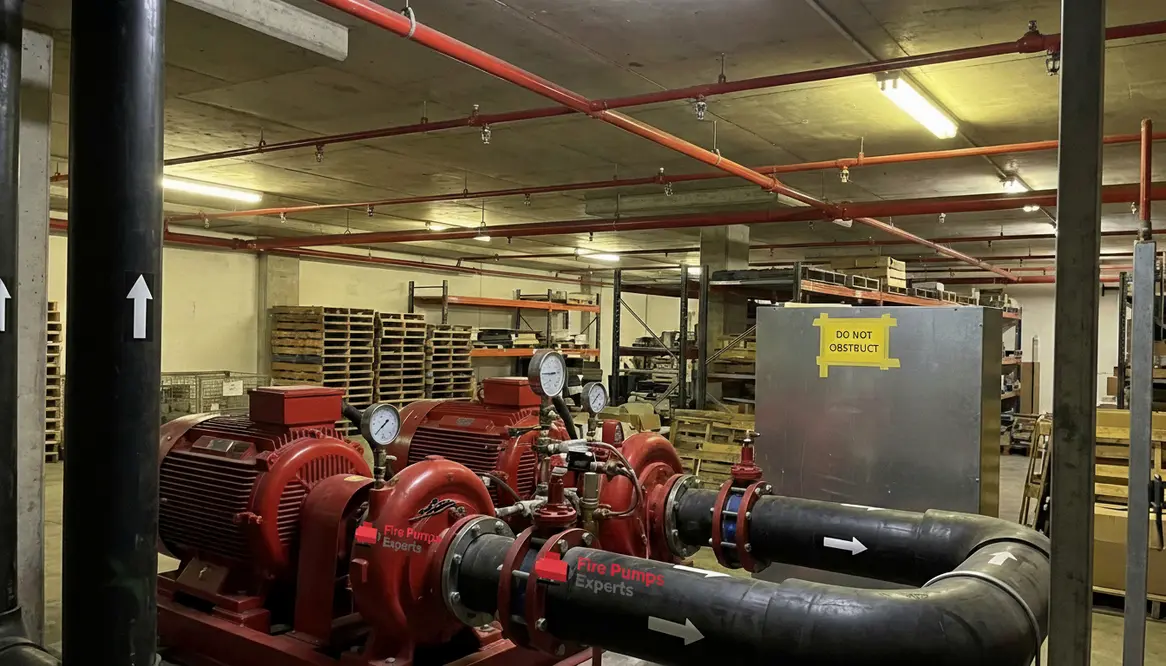
Fire Pump Sprinkler System Support Guide
How Fire Pumps Support Sprinkler Systems
In a commercial building, a sprinkler system can look calm and simple. Water waits in the pipes. Heads sit quietly on the ceiling. Then, when heat rises, the system wakes up fast. But here is the truth: a fire pump sprinkler system gives that response the strength it needs when the water supply falls short. I have seen how this matters in large warehouses, tall office towers, and industrial sites where demand can rise in a flash. And yes, the pump is the quiet hero here, not the flashy one. It does the job while everyone else gets the applause, like the guitar player in a famous rock band.
For commercial and industrial properties, this support is not just helpful. It is often the difference between a system that works in theory and one that works when real heat and pressure show up. So, let me walk through how it all fits together.
What a fire pump does for sprinkler performance
A sprinkler system depends on water flow and pressure. However, many buildings do not get enough pressure from the city supply alone, especially when the property is large or the demand is heavy. That is where the pump steps in. It boosts pressure so sprinklers can release water at the right rate and reach the needed areas.
In simple terms, the pump gives the sprinkler system muscle. Without it, the water may trickle when it should push. That can slow fire control, and nobody wants a delay during an emergency. I like to think of it like this: the sprinkler heads are the front line, and the pump is the power behind them.
For major buildings, this matters even more because long pipe runs, high floors, and large water demands can all reduce performance. So, the pump helps the system stay ready across the whole site.
How the pump and sprinklers work together
The sprinkler system and fire pump do not work as two separate parts. Instead, they act like a team with one shared goal. First, heat activates a sprinkler head. Then, water starts flowing through the pipes. At that point, the pump helps keep pressure steady and strong enough to support discharge.
Sprinkler side
- Detects heat and opens a head
- Releases water at the fire point
- Controls fire spread early
Pump side
- Raises pressure when demand starts
- Keeps flow strong across the system
- Supports the full building water need
Because of this teamwork, the system can act fast and stay effective. Also, the pump helps compensate for losses from height, friction, and long pipe routes. In a way, it is the quiet fix for all the things gravity loves to ruin. Thanks, gravity. Very rude.
When I see a sprinkler system need extra help
I usually look for a pump in buildings where the fire risk or water demand is high. Warehouses, logistics hubs, manufacturing plants, shopping centers, and high rise assets often need added pressure support. In these spaces, a standard supply may not keep up with system demand.
Several signs point to this need:
- Water pressure drops at upper levels
- The site covers a large floor area
- Pipe networks run long distances
- Fire code requirements call for stronger flow
- Multiple systems may draw water at once
When I review these conditions, I focus on whether the sprinkler system can deliver the right output during peak demand. If it cannot, the pump becomes essential. And for business owners, that means better protection for people, stock, equipment, and the building itself. That is not just safety. That is smart asset care.
What makes design and compliance matter
A pump is not something I treat like a plug and play gadget from a late night infomercial. It needs proper design, sizing, testing, and upkeep. The flow rate, pressure, power source, and control setup all need to match the building’s needs. If any part misses the mark, performance can suffer.
For Australian commercial properties, compliance also matters. Standards guide how systems should work, what pressure they need, and how they should be maintained. For example, I recommend reviewing AS 2118 fire pump requirements for warehouses in Australia because it gives useful direction for large property owners who manage high demand fire systems.
When I look at a pump setup, I ask a few basic but vital questions. Is the system sized for the worst case fire load? Does the backup power support the pump if the main source fails? Has the owner set a clear test plan? Those questions sound simple, yet they decide whether the system stands ready or just looks ready.
Why ongoing testing keeps the system reliable
Even the best fire pump sprinkler system needs regular testing. Over time, valves can shift, seals can wear, and pressure can drift. So, routine checks help catch problems before an emergency does.
I always encourage scheduled tests because they confirm three things: the pump starts, the pressure climbs, and the sprinklers can still do their job. Also, these tests help teams spot weak points in the water supply, controls, or power backup. That gives property managers a chance to fix small issues before they become expensive drama.
In large facilities, a missed fault can spread fast. Therefore, testing is not a box tick. It is a shield for the whole fire protection plan.
FAQ
Below are some common questions about how a fire pump sprinkler system supports building protection.
Conclusion
If you manage a commercial or industrial property, I recommend treating your fire pump sprinkler system as a core part of your risk plan, not just another piece of hardware. The right pump keeps pressure strong, supports sprinkler response, and helps protect people and assets when it matters most. So, if your site needs better fire protection support, now is the time to review your system, check compliance, and make sure your pump is ready for the job.