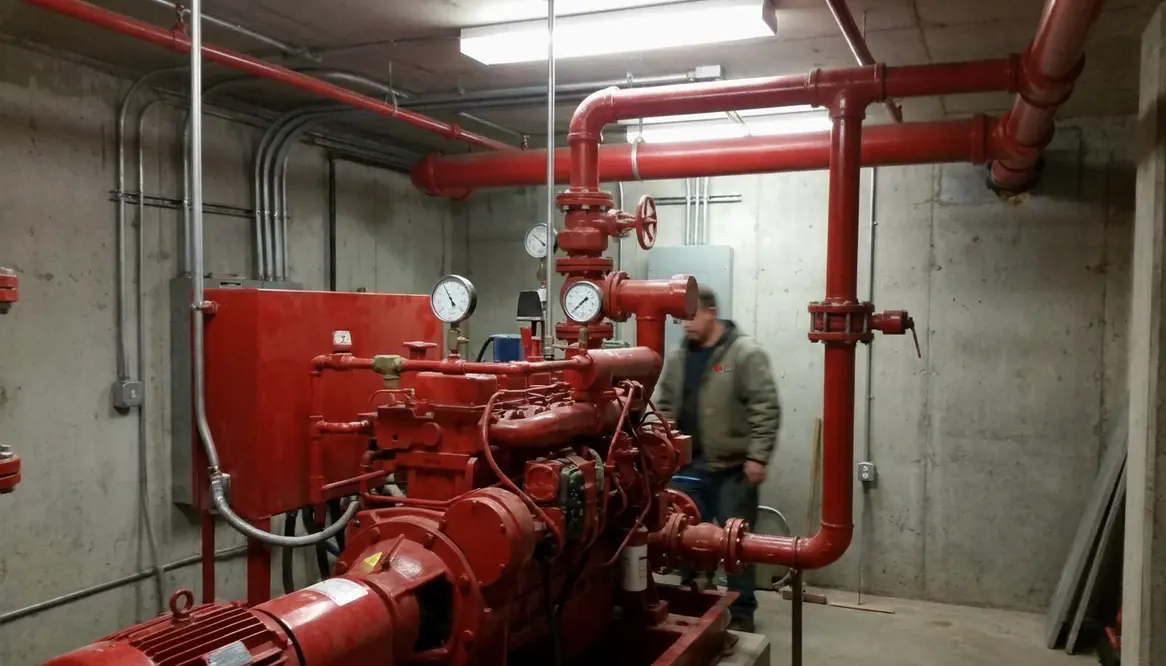
Fire Pump Sprinkler Systems Boost Pressure & Safety
Sprinklers get the spotlight, but the pump in the background is what turns a design on paper into real protection when heat, smoke, and chaos show up at the same time.
How Fire Pumps Support Sprinkler Systems
When I look at a commercial building, a warehouse, or a large industrial site, I do not see steel, concrete, and wiring first. I see risk, planning, and the quiet pressure of making sure people and property stay protected. That is where the fire pump sprinkler system comes in. It gives sprinkler systems the muscle they need when water pressure dips, demand rises, or the building layout simply asks for more than the supply can deliver. In plain terms, the sprinkler heads may do the visible work, but the fire pump is the one in the back, lifting the heavy box like it has been training for this moment its whole life.
In commercial and industrial facilities, that support is not optional. It is the difference between a system that performs on paper and one that performs in the real world. And the real world does not care about a nice brochure.
The Hidden Engine In The System
What a fire pump does inside the system
A fire pump boosts water pressure so sprinklers can discharge the right amount of water during a fire event. I like to think of it as the engine behind the curtain. The sprinkler heads need strong, steady pressure to cover the right area, and the pump helps make that happen when the main water supply cannot keep up.
First, the system senses a drop in pressure. Then the pump starts and pushes water through the piping network with force. As a result, sprinklers can open and spray enough water to control heat, slow fire spread, and protect escape paths. Without that push, a sprinkler system may act like it is trying its best, but best does not always beat physics.
Why Commercial And Industrial Sites Need This Support
When scale and layout push the limits
Large facilities often face challenges that smaller buildings never see. They may have long pipe runs, high ceilings, storage racks, wide floor plates, or fire loads that change from one zone to the next. Therefore, the water supply must handle more demand and more distance.
Here is where the fire pump sprinkler system earns its keep. It helps maintain the flow and pressure needed across the entire protected area. It also supports systems in places where the incoming municipal supply sits below design needs. In warehouses, manufacturing plants, and major property buildings, that extra boost can make the difference between a contained fire and a bad day that gets its own news cycle.
How The Pump And Sprinklers Work Together
From first flame to controlled flow
Sprinklers do not wait for a dramatic office soundtrack before they act. They open one by one when heat reaches a set point. However, once they open, they need water fast and at the right pressure. That is why the pump matters so much.
Here is the simple chain of action:
- The fire starts and heat rises.
- Sprinkler heads near the heat activate.
- Water demand jumps quickly.
- The pump starts or speeds up to support flow.
- The system keeps pressure steady enough to control the fire.
Because of this teamwork, the sprinkler network does not rely on hope. It relies on design, pressure, and a pump that knows how to show up on time.
Design Checks When A Pump Is In The Plan
What I check when a pump is part of the design
When I review a site, I look at more than the pump label and move on. I check the water source, the expected demand, the building height, the occupancy type, and the storage layout. I also look at the test results and the maintenance plan, because a pump that sits in a corner gathering dust is not a hero. It is just a piece of equipment with good intentions.
In practice, the design must match the building risk. For example, a high bay warehouse may need different pressure support than a multi level commercial complex. Likewise, a facility with dense storage may need stronger performance than a low hazard space. That is why proper design matters, and why one size fits all is a lovely phrase for T shirts, but a terrible plan for fire protection.
Key Parts Of A Fire Pump Sprinkler System
Who does what when heat shows up
| System Part | Role in Fire Protection |
| Pump | Raises pressure and flow |
| Sprinkler heads | Release water at the fire area |
| Piping | Moves water across the building |
| Controls | Starts and monitors pump action |
When each part performs its role at the same time, the fire pump sprinkler system turns one small activation into a coordinated response across the network.
Why Standards And Local Rules Matter
Design, compliance, and real-world pressure
Fire systems do not get to freestyle. They must follow code, site needs, and local rules. For Australian warehouse projects, I recommend reviewing guidance that aligns with AS 2118 fire pump requirements for warehouses in Australia. That kind of reference helps owners and managers understand how design expectations affect pump selection, system layout, and overall performance.
Moreover, compliance helps reduce risk during audits, inspections, and maintenance checks. It also helps ensure the sprinkler system works as intended when the building faces real heat, real smoke, and real pressure. And no, a confident shrug from the facilities team does not count as a tested fire strategy.
Whether the project is a new build or an upgrade, treating the fire pump sprinkler system as a core piece of safety infrastructure, not an afterthought, is what keeps designs honest when conditions are at their worst.
Fire Pump Sprinkler System FAQs
Conclusion
If I want a sprinkler system to do its job in a commercial or industrial building, I make sure the pump is part of the plan from the start. The right design gives the system strength, stability, and reach. A well designed fire pump sprinkler system ties the water supply, the building layout, and the actual fire risk together into one coordinated response.
So if you manage a warehouse, plant, or major property building, do not wait for a fire to reveal the weak link. Review your system, check your pump support, and make sure your protection is ready before the pressure arrives.