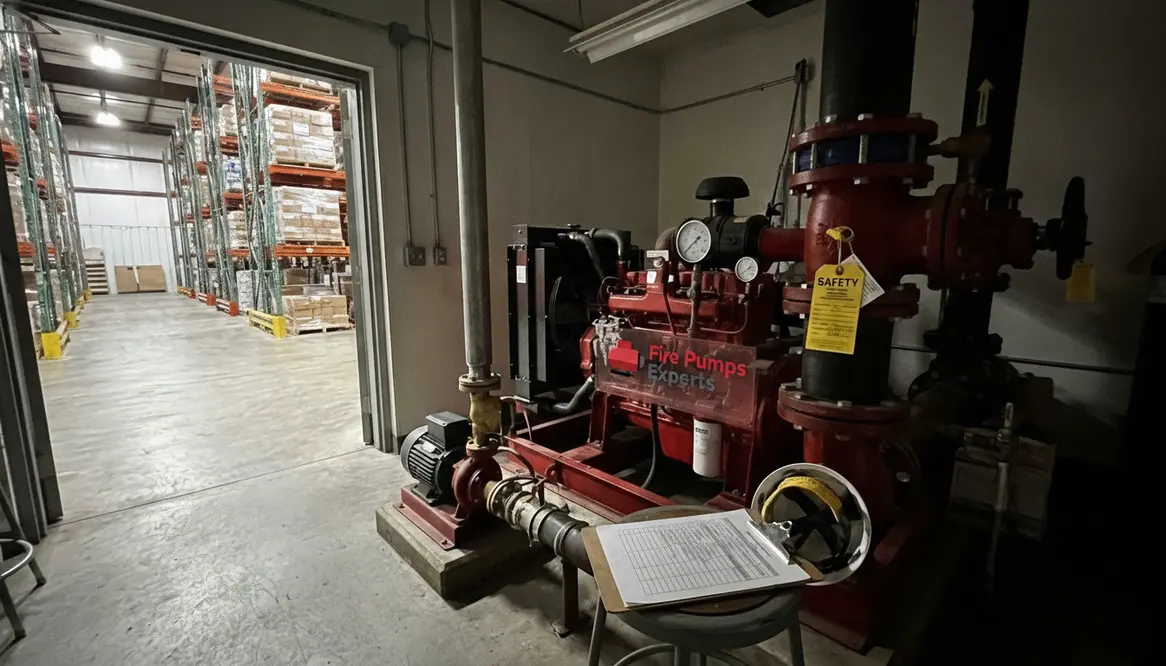
Warehouse Fire Pump Requirements Australia Guide
A practical walkthrough of warehouse fire pump requirements in Australia, written for people who actually have to make these systems work on site.
Warehouse Fire Pump Requirements in Australia: What I Look For Before a Build Goes Live
When I talk about warehouse fire pump requirements in Australia, I am talking about the backbone of fire protection for large commercial and industrial sites. A warehouse can hold high value stock, tall racking, and enough electrical gear to make a breaker blush. So, the fire pump is not a nice extra. It is a critical part of the system that helps water reach sprinklers and hose lines with enough pressure when it matters most. In this article, I walk through what the rules mean in plain English, what matters on site, and how I check that a warehouse setup can do its job without drama.
What the rules actually expect from a warehouse fire pump
In Australia, I always start with the building type, hazard level, and the sprinkler design. Then I look at the pump set, water supply, and control gear as one system. The exact setup depends on the site, but the goal stays the same: keep enough flow and pressure available during a fire event. That means the pump must match the sprinkler demand, not just look good on paper. After all, a shiny pump with the wrong output is like putting a Ferrari badge on a shopping trolley.
The common standards and project documents usually guide the design. For warehouses, I pay close attention to:
- water storage capacity and refill supply
- pump duty and standby arrangement
- diesel or electric power source
- suction conditions and pipe size
- alarm, test, and monitoring functions
Because warehouses often have wide floor areas and high fuel loads, the pump must support reliable sprinkler coverage over the full risk zone. Therefore, I never treat it as a stand alone item. It always sits inside a wider fire strategy.
How I check warehouse fire pump requirements on site
When I visit a site, I look at the practical side first. The pump room needs access, ventilation, safe clearance, and protection from damage. Next, I check whether the pump can start automatically and whether manual test options work as intended. If the system cannot be tested properly, then no one should pretend it is ready. That would be a very expensive illusion, and not the fun kind like a Marvel post credit scene.
Here is the part many people miss. The warehouse fire pump requirements do not end with installation. I also check ongoing readiness. That includes routine inspection, battery care if the unit uses diesel start, pump churn testing, valve position checks, and service records. In plain terms, I want proof that the system can still perform after months of sitting quietly in the corner like a heavy metal drummer waiting for a solo.
A simple dual column view of the main checks
Design side
- Match pump output to sprinkler demand
- Confirm water supply and tank volume
- Choose the right pump type and driver
Site side
- Keep the pump room easy to reach
- Test alarms and automatic start
- Record inspections and maintenance
Why warehouse size and storage type change the answer
Not every warehouse needs the same solution. In fact, storage height, commodity class, racking layout, and floor area all shape the fire load. As the risk grows, the sprinkler demand may rise too. That means the pump may need a higher duty point, better water storage, or a different backup arrangement. So, I always ask what sits inside the building before I talk about hardware.
For example, a basic storage shed and a high bay distribution centre do not play the same game. One may need a simpler arrangement, while the other may need a much more robust setup. Also, if the warehouse forms part of a larger industrial site, nearby hazards can affect the final design. In short, I do not guess. I size the system based on the real use of the building.
This is why I keep warehouse fire pump requirements tied closely to the storage strategy. When the tenant changes, the fire load can change with them, and suddenly the original pump selection may not be enough for the new risk profile.
Common mistakes I see and how to avoid them
Design and coordination issues
One mistake shows up all the time: people choose equipment before they lock in the fire design. That creates trouble fast. Another issue is poor pump room layout. If a technician cannot inspect or service the unit without a wrestling match, then the design needs work.
I also see weak backup planning. A single point of failure can turn a solid system into a very expensive paperweight. So, I check whether the site has enough resilience for commercial and industrial use. Also, I make sure testing does not disturb operations more than needed. Nobody wants a warehouse shut down because a simple service plan was ignored for a year.
Standards, references, and planning
For a helpful technical overview, I often point people to this guide on AS 2118 fire pump requirements for warehouses in Australia, which gives a useful starting point for code focused planning and design coordination. A structured review against warehouse fire pump requirements early in the project can prevent expensive redesigns later.
When in doubt, I prefer conservative choices that still respect operational needs. It is much easier to explain a slightly oversized pump than to explain why a warehouse full of stock did not have enough water or pressure when it was needed.
FAQ: quick answers I give most often
These are the questions that come up most when I am talking about warehouse fire pump requirements with owners, facility managers, and project teams.
Conclusion
If I am protecting a warehouse, I treat the fire pump as mission critical, not optional. The right system depends on the building, the stored goods, and the overall fire strategy. So, if you manage a commercial or industrial site and want to stay ahead of compliance issues, I suggest reviewing your design, testing records, and pump room setup now. A strong fire pump plan today can save a building, stock, and a very bad day tomorrow. Contact a fire protection specialist and make the system work before the alarm ever has to.