NCC Fire Protection Requirements for Commercial Buildings
A practical walkthrough of how real buildings meet NCC fire protection requirements without turning compliance into a full-time hobby.
NCC Fire Protection Requirements Explained for Commercial and Industrial Buildings
I like to think of the NCC fire protection requirements as the quiet guard sitting in the back of the room, watching everything before trouble starts. For commercial and industrial facilities, these rules shape how a building handles fire risk, protects people, and gives emergency crews a fighting chance. And yes, this matters whether you run a warehouse, a tower, or a major property that looks like it could host the next superhero movie. In plain terms, the NCC sets the minimum fire safety standard, and I use it as the starting point for every serious protection plan.
Because the rules can feel dense, I am going to break them down in a way that actually makes sense. I will walk through the core ideas, the systems that matter most, and how I check compliance without turning the whole process into a paperwork circus.
Quick snapshot
- Focus: commercial and industrial buildings
- Framework: NCC fire protection requirements as the baseline
- Goal: layered, reliable protection when things go wrong
- Bonus: systems that actually work, not just look compliant on paper
What the NCC expects in a fire safety plan
The NCC wants a building to slow fire spread, protect escape routes, and support safe evacuation. That sounds simple, but the details matter. First, I look at how the building is used. A warehouse storing high loads of inventory needs a different approach than a multi level office or a plant with hot equipment. Next, I check the building size, height, occupant load, and risk profile. These factors shape the fire compartments, sprinkler needs, alarms, smoke control, and fire resistant construction.
In practice, the NCC pushes owners to use a layered approach. So, if one system fails, another steps in. That is not dramatic. That is just smart design. Fire protection should never act like a single point of failure, because fire does not care about your calendar or your budget review meeting.
Aligning your building with NCC expectations
- Understand the building class, use, and typical occupancy patterns.
- Identify high-risk zones such as storage areas, plant rooms, or process lines.
- Match fire compartments, detection, and suppression to real fire loads.
- Ensure escape paths are protected and supported by lighting, signage, and smoke control.
Which systems matter most under NCC fire protection requirements
When I review a site, I focus on the systems that carry the biggest load during an emergency. These usually include:
- Fire sprinkler systems for automatic suppression
- Fire pumps to keep water pressure strong and reliable
- Fire alarms and detection for early warning
- Smoke control systems to keep escape paths usable
- Fire doors and fire rated walls to slow spread
- Emergency lighting and exit signs for safe movement
Because these systems work together, I never treat them like separate items on a checklist. Instead, I look at how they support each other. For example, a sprinkler system may control the fire, while smoke control keeps exits usable and alarms guide people out. That is the kind of teamwork even a Marvel team up would respect.
Layering protection so nothing stands alone
Under the NCC fire protection requirements, a solid design acts like a safety net made of overlapping strands, not a single rope. Sprinklers, alarms, pumps, smoke control, and compartments each have a job, but the real strength comes from how they back each other up when the situation turns ugly.
How I check compliance in major buildings
Compliance starts with the building design, but it does not end there. I always check documentation, equipment selection, testing records, and maintenance schedules. Then I compare those details against the building class and risk level. If the property has added loads, changes in use, or upgraded storage, I expect the fire protection design to match those changes.
Here is a simple way to think about it in two columns:
What I inspect
Fire pump performance
Sprinkler coverage
Alarm response
Compartmentation
Maintenance records
Why it matters
Keeps water pressure reliable during a fire
Helps control fire early across key areas
Warns people fast and supports evacuation
Slows fire movement through the building
Shows the system stays ready over time
Furthermore, I pay close attention to service history. A system that looked fine three years ago may now need updates, repairs, or testing. Buildings age, tenants change, and equipment wears down. Fire safety has a way of reminding everyone that “good enough” is not a strategy.
Keeping NCC fire protection requirements current
The moment a building changes use, increases storage height, or brings in new industrial processes, I assume the existing design might be out of date. Revisiting the NCC fire protection requirements at each change keeps the protection strategy real, instead of frozen at whatever looked fine five years and three tenants ago.
Where fire pumps fit into the bigger picture
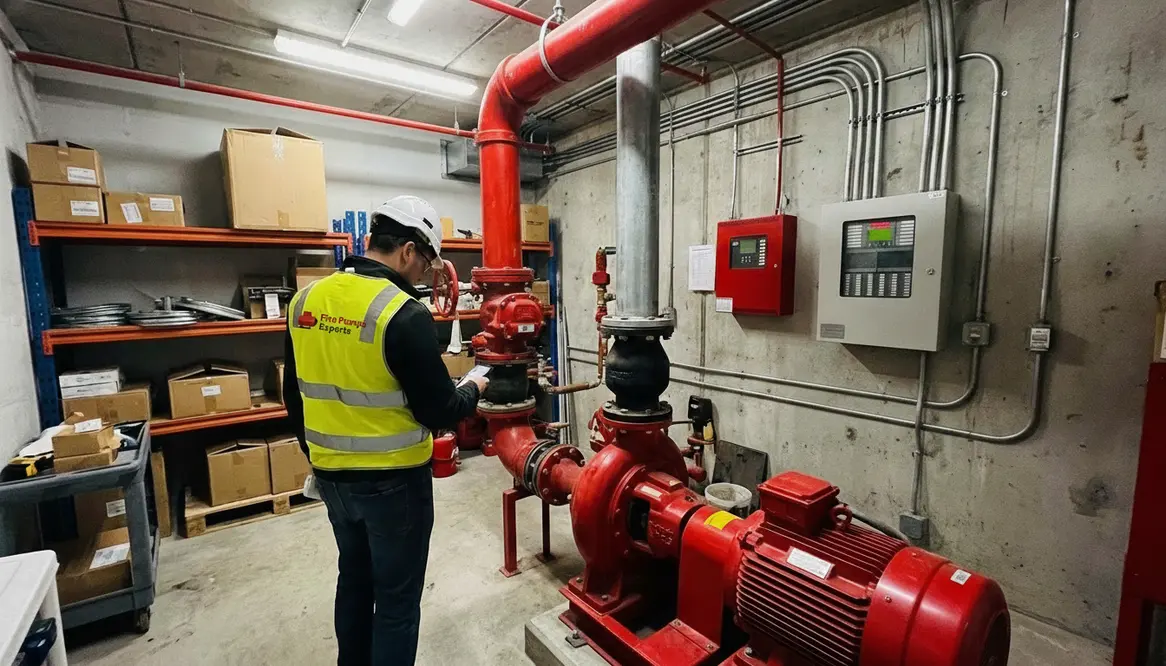
For large commercial and industrial sites, fire pumps often play a critical role. They support sprinkler systems and hydrants when the water supply alone cannot meet the demand. That matters most in large footprints, tall structures, and properties with heavy fire load. If pressure drops during an incident, the whole protection chain can weaken fast.
That is why I treat pump selection, installation, and testing as serious business. I also recommend working with a specialist that understands commercial and industrial properties, not small scale buildings. If you want a deeper look at pump support for larger sites, a useful resource is commercial fire pump solutions for major properties. It helps because the stakes rise fast when the building gets bigger, and so does the risk.
Checking pumps against NCC expectations
- Confirm duty, flow, and pressure match real fire loads, not just early design guesses.
- Make sure suction supply is reliable, monitored, and protected from accidental shutoff.
- Verify automatic start, alarms, and power arrangements are maintained and tested.
- Keep test records that show the whole system is ready, not just installed.
Why maintenance keeps the NCC approach alive
A compliant design is only half the story. Regular maintenance keeps the system ready when it counts. I have seen buildings with excellent fire protection on paper, yet weak results because no one tested the valves, alarms, or pumps often enough. That is like having a Ferrari with no fuel and calling it prepared. Bold move. Not a wise one.
So, I push for scheduled inspections, routine testing, and quick repairs. I also recommend keeping clear records. When auditors or safety officers review a site, good records make the process smoother and faster. More importantly, they prove the building stays aligned with fire safety expectations over time.
Turning NCC fire protection requirements into daily practice
- Schedule inspections and testing, then actually let them happen.
- Fix defects promptly instead of letting them “live” on the list for months.
- Update documentation whenever systems, layouts, or occupancy shift.
- Train staff so alarms, evacuations, and impairments are handled properly.
FAQ
Conclusion
If you manage a commercial or industrial building, I urge you to treat fire safety as a live system, not a one time task. The NCC fire protection requirements give you the framework, but the real win comes from proper design, reliable equipment, and ongoing maintenance. So, review your site, check your records, and bring in the right support before risk turns into regret. In fire protection, timing matters. And waiting for a wake up call is never the best plan.