BCA Fire Safety Requirements for Commercial Buildings
Building Code of Australia fire safety requirements explained is one of those topics that can sound dry at first, yet it sits right at the heart of how I protect commercial and industrial buildings, along with major property assets. When I look at the BCA fire safety requirements, I see more than rules on paper. I see a system that helps keep people safe, protects business continuity, and lowers the chance of a small incident turning into a very expensive headline. And yes, fire does not care about your meeting schedule, your warehouse deadline, or your coffee being cold. So let me break it down in plain language.
In Australia, the Building Code of Australia sets the baseline for fire safety design, construction, and performance. For large sites, that means I have to think about how the building behaves in a fire, how people get out, and how emergency systems support the response. That is where the real work begins.
What the BCA fire safety requirements mean for my building
When I apply the BCA fire safety requirements, I focus on three things first: preventing fire spread, supporting safe evacuation, and helping firefighters do their job. These rules shape the building from the start. They affect structure, exits, alarms, water supply, access, and more. In other words, the fire plan is not a side note. It is part of the building’s bones.
I also treat compliance as a practical process, not just a paperwork exercise. For commercial and industrial facilities, the code often expects stronger controls because the risk can rise fast. More people, more equipment, more stored goods, more complex systems. It is a little like a superhero team where everyone has a job, and if one member takes the day off, the plot gets messy.
Key areas I check early
- building use and fire risk level
- occupant load and escape needs
- construction type and fire resistance
- fire detection and alarm systems
- emergency exits and travel paths
- firefighting access and water supply
How I check passive fire protection and exit paths
Passive fire protection is the quiet hero of the building. It does not beep, flash, or make a dramatic entrance like a Marvel character, but it buys time when every second matters. I look at fire rated walls, floors, doors, penetrations, and seals. These parts slow fire and smoke movement, which helps protect key zones and gives people a safer route out.
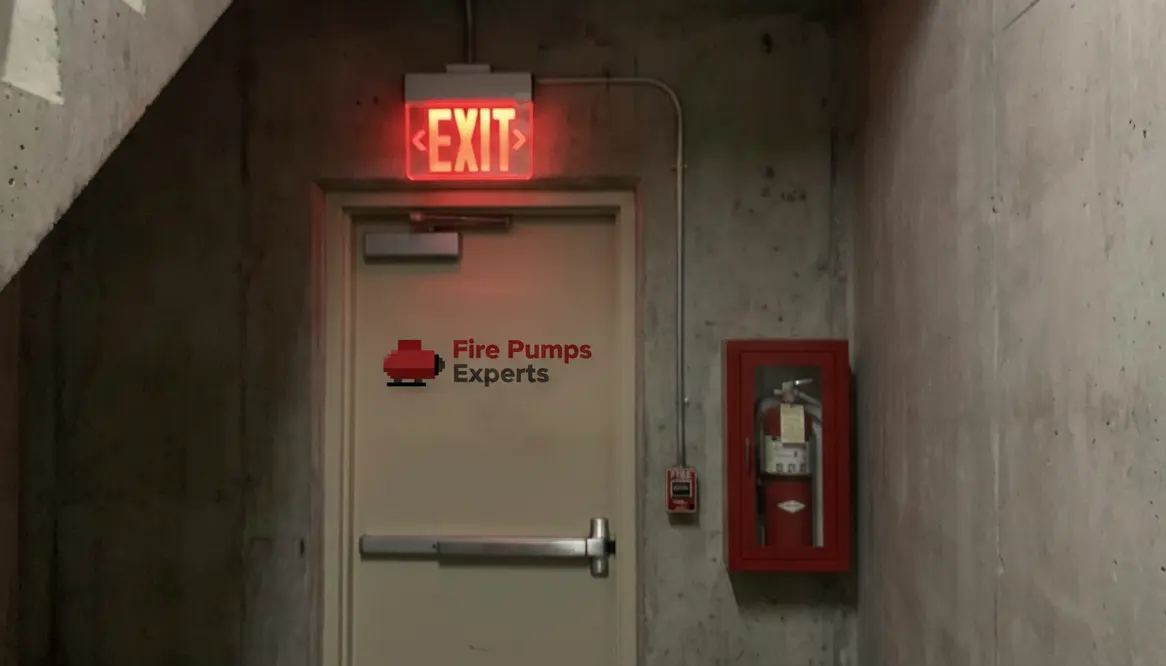
Exit paths matter just as much. I want clear, direct, and well marked ways out of the building. If people cannot move easily, then the whole evacuation plan weakens. So I check the number of exits, their width, their distance from work areas, and whether they stay usable under pressure. I also check that doors open the right way and that nothing blocks them. A stacked pallet in front of an exit might seem harmless during a quiet shift, but in an emergency it can become the villain of the story.
For major facilities, I also think about how the layout affects movement during an alarm. Long corridors, dead ends, and crowded plant areas need careful review. Therefore, I make sure the escape plan matches how the site actually operates, not how someone hoped it would operate on a nice day with no problems and a perfect clipboard.
Why passive protection and exits matter under BCA fire safety requirements
When I look at BCA fire safety requirements from a practical angle, passive elements and exits are the backbone. They shape how long people have to react, how predictable smoke movement will be, and how realistic the evacuation time is once the alarm starts sounding.
Where active fire systems fit into compliance
Active fire systems do the heavy lifting when a fire starts. I look at alarms, sprinklers, hose reels, hydrants, pumps, and detection systems as one connected setup. If one part fails, the others may have to carry more load. That is why testing and upkeep matter so much.
I also pay close attention to water delivery. For large commercial and industrial buildings, fire water supply can make or break the response. Pumps, tanks, valves, and pressure settings must all work together. If the system cannot deliver enough water at the right time, the risk jumps quickly. This is where professional fire pump compliance for major properties can make a real difference, especially when the site depends on steady performance during an emergency.
Two column view of active system focus
Left column
- fire alarms alert occupants fast
- sprinklers help control early spread
- hydrants support manual firefighting
Right column
- pumps keep water pressure steady
- tanks store emergency supply
- testing confirms the system will perform
How I keep inspections, records, and maintenance on track
Compliance does not end when the building opens. It continues through inspections, service logs, repairs, and upgrades. I keep records because they show the system has been checked and maintained properly. They also help identify patterns before they turn into failures. A valve that sticks once may not sound dramatic, but repeated issues often point to a deeper problem.
I also make sure the maintenance schedule matches the building’s use. A busy industrial site with heavy operations will not need the same approach as a quiet office tower. Therefore, I review the site conditions, the equipment load, and any change in use. If the building grows, the fire strategy may need to grow with it. Code compliance is not frozen in time, and neither should the maintenance plan be.
At this stage, I often recommend a specialist review of commercial fire pump systems and compliance support because reliable water delivery is a core part of fire safety on large sites. That kind of focus helps keep the building ready for real conditions, not just inspection day conditions. And let us be honest, inspection day has a funny way of making everything look ten percent more polished than usual.
Keeping BCA fire safety requirements live over time
The real measure of BCA fire safety requirements is not just the day the certificate is issued. It sits in the inspections that are actually done, the defects that are actually fixed, and the upgrades that actually happen when the site changes shape, grows, or adds new hazards.
What I focus on before I sign off a fire safety review
Before I consider a fire safety review complete, I step back and look at the whole picture. I want the structure, systems, exits, and records to work together. I also check whether the building team knows what to do when the alarm sounds. A strong system still needs people who understand it. Even Batman needed a plan, and he had the whole cape situation going for him.
In simple terms, I ask
- Can people get out safely and quickly?
- Will fire and smoke stay controlled long enough?
- Will the alarm and water systems perform under pressure?
- Are inspection and service records up to date?
- Has the site changed in a way that affects risk?
When those answers line up with the intent of BCA fire safety requirements, I know the building is in a much better place: people can move, systems can perform, and the response has a real chance to keep an incident from turning into a headline.
FAQ
Conclusion
If I want a commercial or industrial building to stand strong under pressure, I start with the fire strategy and keep it working over time. The BCA fire safety requirements are not just code language. They are the practical steps that protect people, property, and business operations. If you manage a major site, now is the right time to review your systems, tighten your records, and confirm your fire protection is ready. In this game, calm preparation wins every time.