Essential Fire Safety Measures for Facilities
Essential Fire Safety Measures Explained
I take fire safety seriously because one small mistake can turn a calm day into a full blown emergency. That is why I focus on essential fire safety measures that protect commercial and industrial facilities, along with major property buildings where risk often runs high. These places hold people, equipment, and business value, so they need more than a basic plan and a lucky charm. They need clear steps, trained staff, working systems, and fast action. In this article, I will walk through the core measures that help reduce risk, limit damage, and keep operations moving when things get hot, literally and otherwise.
These essential fire safety measures are not theory on a page. They are practical habits, systems, and checks that keep real people safe in real buildings, day after day, without drama or special effects.
The goal is simple: prevent the fire if possible, contain it if not, and get everyone out in one piece either way.
Why Fire Risk Demands a Real Plan
In large facilities, fire danger rarely comes from one dramatic moment. Instead, it often starts with worn wiring, blocked exits, poor storage, or equipment failure. Then, before anyone can say, “Who left that running?”, the problem grows. That is why I start with a written fire safety plan. It gives every team member a clear role, and it helps management act before panic takes over.
A good plan should cover hazards, response steps, alarm use, evacuation routes, and shutdown procedures for critical systems. Also, I make sure the plan fits the site. A warehouse does not face the same risks as a hospital tower or a manufacturing plant. Therefore, the plan should reflect real conditions, not copy and paste theater from a dusty binder on a shelf.
Essential Fire Safety Measures That Protect Major Facilities
To make fire safety easier to manage, I break it into two practical columns that capture the most essential fire safety measures in everyday language.
Prevention
- Inspect electrical systems on a regular schedule
- Keep storage areas clean and free of clutter
- Separate flammable materials from heat sources
- Control hot work with permits and supervision
- Train staff to report hazards right away
Response
- Install alarms that alert quickly and clearly
- Place extinguishers where staff can reach them fast
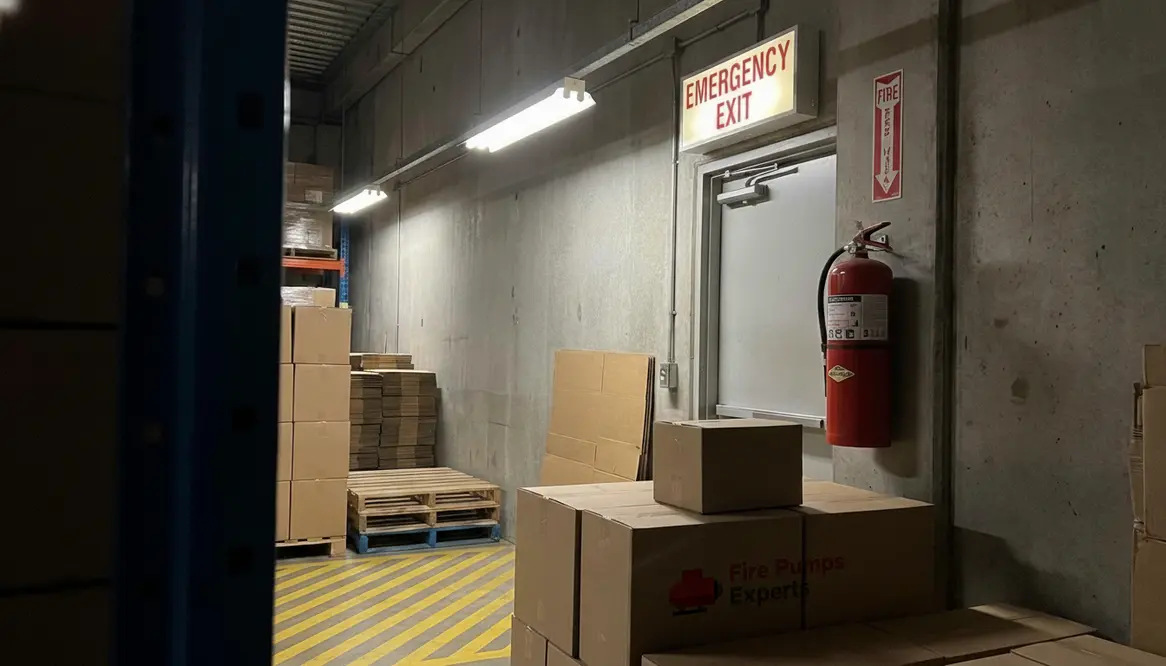
- Mark exits and keep them open at all times
- Run evacuation drills for every shift
- Assign trained leaders to guide people out safely
These steps work best together. After all, prevention lowers the chance of a fire, while response limits harm if one still starts. That two part approach saves time, money, and a great deal of stress. And honestly, stress is already doing enough damage without being invited to the party.
How I Keep Detection and Suppression Systems Ready
Early warning matters because fire moves fast. So, I treat detection systems as the eyes and ears of the building. Smoke detectors, heat sensors, alarm panels, and sprinkler systems must all work as one. If one part fails, the whole system loses strength.
I also recommend routine testing by qualified professionals. Facilities should not wait until an alarm fails during an emergency drill to discover a problem. That kind of surprise belongs in a mystery movie, not in a plant room. In addition, sprinkler heads should stay clear, and alarm signals should reach every occupied area, including storage zones, loading docks, and mechanical rooms.
For organizations that manage large properties, I suggest reviewing fire pump solutions for commercial and industrial buildings as part of the wider fire protection strategy. A strong water supply can make the difference between control and chaos. Therefore, the system should support the building’s size, use, and fire load.
When you think about essential fire safety measures, it is easy to picture alarms and sprinklers alone. In reality, the way those systems are inspected, tested, and supplied with water is what turns them from decoration into true protection.
Why Staff Training Makes All the Difference
A building can have great equipment, but if people do not know what to do, the plan weakens fast. That is why I put heavy value on training. Staff should know how to report smoke, use extinguishers only when safe, move people toward exits, and stay calm under pressure. Calm spreads, and so does panic. I prefer the first one.
Training should also cover shutdown tasks for machinery, electrical panels, and fuel systems when those tasks fit the site. Moreover, new employees need fire safety guidance during onboarding, not months later after they have already guessed their way through the building. Regular refreshers keep the message sharp and useful.
Some of the most essential fire safety measures are as simple as knowing who grabs the first aid kit, who checks the last office, and who calls emergency services without assuming someone else already did it.
What Property Managers Should Check Every Month
Simple monthly habits that prevent major headaches
Monthly checks help me catch small problems before they become expensive ones. For commercial and industrial sites, I look at exit signs, alarm status, extinguisher tags, clear walkways, sprinkler access, and storage practices. I also check whether fire doors close properly and whether staff still know the evacuation route.
This kind of review does not need to feel dramatic. In fact, it should feel routine, steady, and almost boring. That is the goal. Fire safety works best when nobody has to improvise like they are in an action film with bad lighting and worse decisions.
When property managers fold these checks into their calendar, essential fire safety measures stop being a once-a-year scramble and become a quiet, reliable part of building operations.
Bringing It All Together: A Practical Fire Safety Mindset
From paperwork to real-world protection
When you pull everything together, essential fire safety measures touch every part of a facility: the wiring above the ceiling tiles, the clutter in the back room, the training your night shift received, and the way your alarms talk to your sprinklers. None of it is glamorous, but all of it matters.
FAQ
Conclusion
Fire safety is not just a rule to follow; it is a system that protects people, property, and business continuity. If you manage a commercial, industrial, or major property building, I urge you to review your current plan today. Check your systems, train your staff, and fix weak points before they grow teeth. Strong preparation now can stop a small issue from becoming a major loss, and that is a smart move every time.