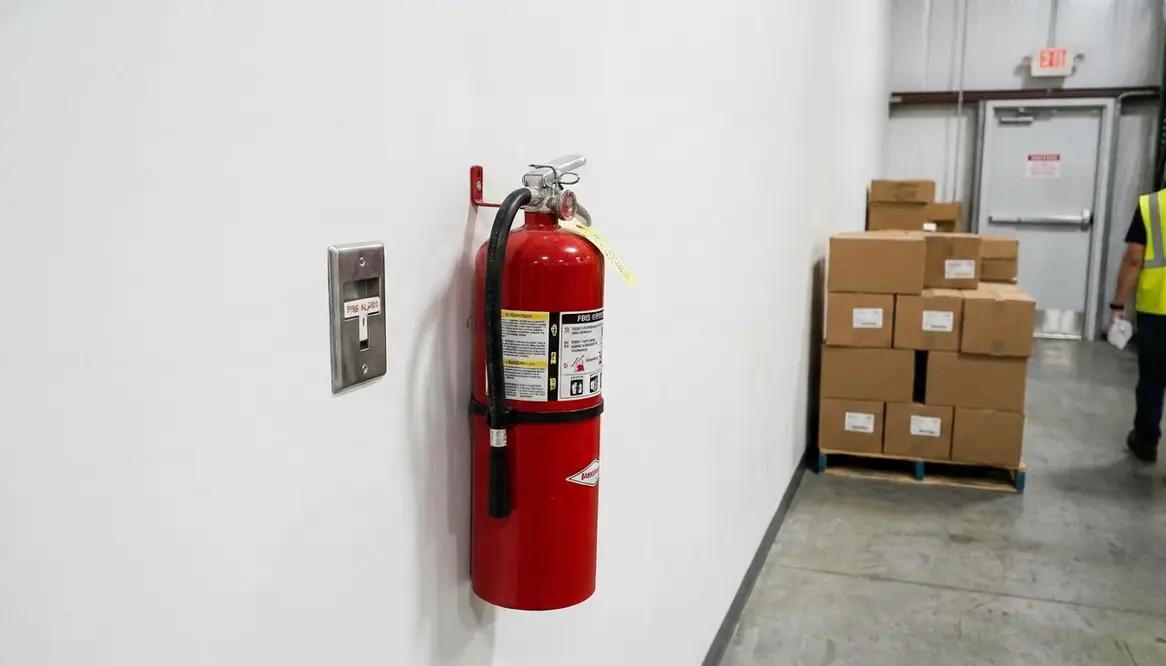
Essential Fire Safety Measures for Facilities
Essential Fire Safety Measures Explained
I take fire safety seriously because one small mistake can turn a calm workday into a full panic scene. For commercial and industrial facilities, essential fire safety measures are not just a box to check. They protect people, keep operations moving, and help property owners avoid costly damage. In large buildings, warehouses, plants, and major facilities, I focus on prevention, detection, response, and training. When these parts work together, they create a system that can stop a small spark from becoming a full scale disaster. That is the goal, and frankly, it is a far better plot than the one a fire would write on its own.
In this guide, I explain the practical steps I would use to build safer spaces for teams, equipment, and assets. I keep it simple, direct, and useful. Because when fire safety works, it should feel boring. And boring, in this case, is beautiful.
How I Build a Fire Safe Commercial Facility
I start with a full risk review. First, I look at where heat, fuel, and ignition sources sit in the building. Then I check storage areas, loading docks, electrical rooms, kitchens, and production lines. These zones usually carry the most risk, so I do not treat them like background scenery.
Next, I make sure the building has clear fire zones and safe pathways. If workers store boxes near panels or block exits with pallets, I know the site needs a reset. Also, I check that fire doors close properly and stay free of damage. A fire door that does not close is like a superhero who forgot the cape.
Then, I verify that fire alarms, pull stations, and detection systems work as one unit. Smoke detectors, heat detectors, and alarm panels must stay tested and serviced on schedule. If a system sends false alarms all the time, people stop trusting it. That is a fast road to trouble.
What Fire Protection Systems Matter Most?
I always focus on systems that can slow fire growth and support a fast response. In major properties, that often means sprinklers, alarms, extinguishers, smoke control systems, and fire suppression equipment in high risk areas. Each one plays a different role, but together they create a strong line of defense and form part of the essential fire safety measures that keep people and property protected.
A Simple Way To Think About System Layers
Detection
Smoke and heat systems warn people early so they can move before conditions become dangerous.
Control
Sprinklers and suppression systems help contain the fire so it cannot race unchecked through the building.
Response
Alarms, exits, and emergency plans move people out fast, keeping them ahead of smoke and heat.
Recovery
Inspections and maintenance help the building return to service sooner and keep future incidents less likely.
After that, I check placement and access. Extinguishers should stay visible, easy to reach, and suited to the hazard. A general use extinguisher will not solve every problem, just like a spoon will not fix every meal. For industrial buildings, special suppression systems may be needed for machinery, fuel storage, or electrical risks. If your site has complex fire protection needs, I recommend reviewing fire pump resources from commercial fire pump solutions for industrial facilities because strong water supply can make a major difference when systems need to perform under pressure.
Fire Safety Training And Emergency Response
I do not rely on hardware alone. People matter just as much. So, I make sure teams know what to do before a real emergency starts. Training should cover alarm response, evacuation routes, extinguisher use, reporting hazards, and how to help visitors or new staff. In a large facility, confusion spreads fast. Clear training cuts that problem off at the knees.
Regular drills matter too. I want staff to practice moving out calmly and quickly. That way, if an alarm sounds at 2 p.m. on a busy Tuesday, nobody acts like they just saw a ghost in a break room. Also, supervisors should know their roles during an evacuation. Someone must account for workers, communicate with responders, and guide people to safe areas.
As a next step, I check for special risks. Hot work, chemical storage, welding, and maintenance tasks often create hidden danger. Therefore, I use permit systems, safe work rules, and extra checks before those jobs begin. Prevention is cheaper than repair, and it also keeps everyone less stressed. That is a win, unless you enjoy paperwork and panic, which I do not recommend.
Why Maintenance Keeps Essential Fire Safety Measures Working
I treat maintenance as a core part of fire safety, not as an afterthought. Systems age, parts wear down, and dust collects where it should not. So, I set a schedule for inspection, testing, and repair. Sprinklers need checks. Alarms need tests. Pumps need service. Exit signs need power backup. When one piece fails, the whole safety chain weakens.
In addition, I review records. Good logs show what was inspected, what failed, and what got fixed. That history helps spot patterns before they become larger issues. If a breaker trips often or a pump loses performance, I want to know now, not during a fire. The building should not be guessing about its own safety.
Finally, I keep the site clean and organized. Cardboard, scrap, clogged aisles, and poor storage all raise risk. A tidy facility gives fire systems room to do their job and gives people room to escape. That sounds simple because it is. Simple works, especially when matched with essential fire safety measures that are maintained, tested, and updated instead of left to chance.
When maintenance, training, and technology are aligned, essential fire safety measures stop being a checklist and become part of everyday operations. That is when risk drops, insurance conversations get easier, and people can focus on their work instead of worrying about what could go wrong.
Frequently Asked Questions
Conclusion
Fire safety should never feel optional in a commercial or industrial building. If you want better protection, I recommend starting with a full review of your systems, your staff training, and your maintenance plan. Then, build from there with the right equipment and expert support. If your property needs stronger water supply, system upgrades, or a deeper look at fire protection performance, now is the time to act. A safer building starts with one smart decision today, and essential fire safety measures are the framework that keeps that decision paying off long after the alarm panel goes quiet.