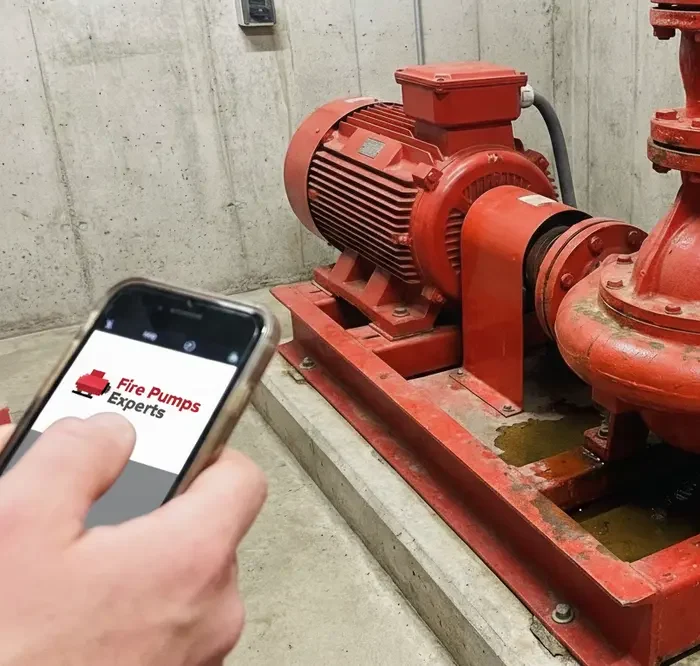
Signs Your Fire Pump Needs Repair Warning Signs
I have seen a lot of commercial and industrial systems act fine right up until the day they do not. That is the tricky part with fire pumps. They often give small clues before they fail, and those clues matter. If you manage a plant, warehouse, high rise, or major property, learning the signs your fire pump needs repair can save time, money, and a very bad day. In this article, I will walk through the warning signs, what they usually mean, and when to call in help before a minor issue turns into a full blown headache.
What I Look For During A Quick Fire Pump Check
I always start with the simple stuff, because the simple stuff is where trouble likes to hide. A fire pump should run clean, steady, and ready. If it sounds strange, leaks, shakes, or struggles to hold pressure, I take notice. In a commercial building or industrial site, even a small change can point to wear inside the pump, a control issue, or a water supply problem. And yes, the pump may not send a dramatic memo. It usually whispers first.
Common Warning Signs At A Glance
What I Notice
- Unusual noise
- Low pressure
- Leaks
- Vibration
- Frequent starting
What It May Mean
- Worn bearings, cavitation, or loose parts
- Pump wear, blocked suction, or control trouble
- Seal failure or cracked fittings
- Alignment issues or internal damage
- Electrical issues or pressure loss
Why Strange Noises Should Never Get Ignored
When a fire pump starts making new sounds, I pay attention fast. Grinding, whining, knocking, or a loud rattle can point to cavitation or worn parts. Cavitation happens when the pump does not get enough water at the right pressure, so air bubbles form and damage the inside. That is not a fun science lesson. It is more like the pump version of a car engine begging for mercy.
Also, if the noise gets louder during startup or under load, I look deeper. The issue may come from the motor, the shaft, or alignment problems. Since commercial systems must stay ready, I never treat noise like background drama. This is one of the clearest signs fire pump needs repair attention before the damage spreads to more expensive parts.
How Pressure Loss Shows Up In A Real System
Pressure problems usually show up in one of three ways. First, the pump may not reach the expected pressure. Second, the pressure may drop faster than it should. Third, the system may cycle too often while trying to recover. Any of these can signal that the pump is not performing as designed.
For industrial properties and large facilities, that matters a lot. The fire pump has one job, and it needs to do that job without acting like a sleepy extra in a movie scene. If gauges show pressure swings, I check the suction line, the controller, the relief valve, and the pump itself. Often, the answer sits in more than one place, which is why a full inspection beats guesswork every time. When pressure will not behave, it is another strong hint that signs fire pump needs repair are already in front of you.
Why Leaks And Vibration Tell A Bigger Story
Leaks do not always look dramatic, but they matter. A small drip at a seal, fitting, or casing can point to worn parts, loose connections, or corrosion. Over time, that leak can get worse and affect pump performance. I also watch for rust stains, wet floors near the pump room, and mineral buildup around joints. Those little clues often show the pump has been working harder than it should.
Vibration is another major clue. A pump should run with a steady hum, not shake like it is auditioning for a special effects role in a blockbuster. Too much vibration can mean misalignment, damaged bearings, or a bent shaft. If I feel movement in the base or piping, I do not brush it off. I know that vibration can damage other parts and shorten the life of the whole system. Put simply, visible leaks and heavy vibration are classic signs fire pump needs repair soon, not someday.
When The Controls Or Motor Act Strange
Sometimes the pump itself is not the only problem. The controller and motor can also show clear signs that repair is needed. For example, if the pump starts on its own without a clear reason, refuses to start during a test, or trips breakers often, I see that as a red flag. Electrical issues may come from bad wiring, weak components, or control faults.
Also, if the motor runs hot, smells burnt, or sounds strained, I treat that as urgent. In a commercial setting, a motor problem can stop the pump from protecting the building when it matters most. That is why I recommend checking both the mechanical and electrical side together. Fire protection equipment works best when every part pulls its weight. Any strange behavior here joins the list of signs fire pump needs repair before the next emergency test or real event.
Signs Your Fire Pump Needs Repair During Routine Tests
What Routine Testing Reveals
Routine tests tell the truth. They always do. If a weekly or monthly test shows slow startup, unstable pressure, poor discharge flow, or odd readings, I take it seriously. These tests help me catch wear before it becomes failure, and they give me a clear picture of system health over time.
That is also why keeping clean records matters. When I compare today’s results with last month’s, patterns show up. A small drop in performance may seem harmless at first, yet over time it can point to a bigger issue. For a closer look at service standards and system care, I often recommend reviewing a trusted resource such as commercial fire pump service guidance for major properties.
If routine tests keep hinting at problems, that is one more way the system is telling you that signs fire pump needs repair are already on the table, not hiding in fine print.
FAQ: Quick Answers For Building Teams
Final Thoughts And Next Step
If I notice any of these warning signs, I do not wait and hope for the best. Hope is nice for vacation plans, not fire protection systems. A fire pump in a commercial or industrial facility needs fast, careful attention when performance changes. So if your system sounds wrong, leaks, shakes, or loses pressure, take action now. Schedule a professional inspection, confirm the cause, and protect your property before a small issue grows into a costly one.