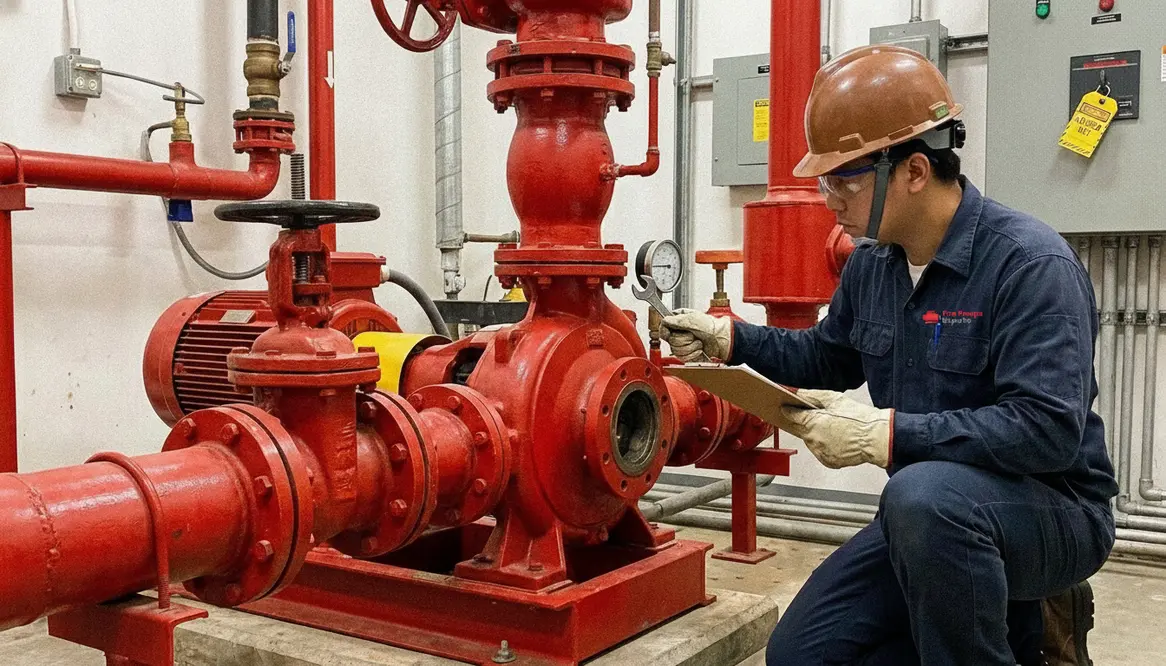
Fire Pump Safety During Maintenance Best Practices
Fire Pump Safety Precautions During Maintenance
When I talk about fire pump safety, I am not talking about a box ticking chore. I am talking about the quiet work that keeps commercial and industrial buildings ready when trouble shows up uninvited. In a major property, a fire pump is not decoration. It is the muscle behind the fire protection system, and during maintenance, that muscle needs careful handling. One rushed move, one missed step, and the whole building can be left in a very awkward place. Nobody wants that kind of plot twist.
So, when I service a fire pump, I treat the job like a live stage performance. I plan it, I control it, and I verify every step before I walk away. That is how I protect people, property, and operations at the same time.
Why Maintenance Needs a Careful Plan
I always start with a plan because maintenance affects more than the pump itself. It can affect sprinklers, alarms, water flow, and building uptime. Therefore, I review the system layout, the last inspection notes, and any past issues before I touch a single valve. If the building runs a warehouse, plant, tower, or large commercial site, I also check with site staff so we do not create a surprise outage. Surprise outages are fun only in movies, and even then, not for long.
Next, I confirm the maintenance window and make sure the right people know what will happen. That includes security, facility teams, and any fire watch staff if the system will be out of service. In addition, I verify that backup measures are in place. I never assume someone else handled it. Assumptions belong in bad reality shows, not in fire protection work.
How I Isolate the System Without Creating Risk
Before I open a pump or a control panel, I isolate the equipment in a controlled way. I shut down power only when the procedure calls for it, and I lock and tag the correct sources so no one restarts the system by mistake. Then I relieve pressure safely and confirm the pump cannot start on its own. This step matters because stored energy can still cause harm even after the system looks quiet.
I also check valves, gauges, and relief lines before and after isolation. Moreover, I make sure the water supply remains stable for the rest of the system. If the site has a diesel fire pump, I handle fuel and battery checks with extra care. A fire pump room should not smell like a garage sale of sparks and fuel vapors.
What I Check During the Maintenance Process
I look deeper than the surface because fire pump safety depends on small details. I inspect seals, bearings, couplings, pressure switches, controller settings, and pump alignment. I also listen for odd sounds and watch for leaks, vibration, or heat changes. These signs often tell the truth before a gauge does.
How I Usually Split the Work
Mechanical checks
Inspect shaft alignment, packing, bearings, and visible wear.
Look for leaks, rust, loose parts, and damaged supports.
Control checks
Review controller alarms, power status, and start sequence.
Test signals, switches, and any remote monitoring points.
After that, I run functional tests as needed and document every result. In commercial and industrial buildings, clear records matter because they help with compliance, repairs, and future audits. They also save time when someone asks, “What happened here last Tuesday?”
Why Communication Matters on Site
I never treat maintenance like a solo mission. Instead, I keep communication open before, during, and after the work. That way, everyone knows when the system is being tested, when it is down, and when it is fully restored. I also tell the site contact exactly what I found and what needs attention next.
For larger properties, I recommend using a trusted resource for guidance and service support. If you manage a commercial tower, plant, warehouse, or other major facility, you can learn more through this commercial fire pump service resource. It helps keep the focus on proper care for serious properties that cannot afford weak protection.
Fire Pump Safety During Shutdown and Restart
Handling the Critical Phase
The shutdown and restart phase deserves respect. First, I confirm the system is safe to return to service. Then I remove lockout and tagout devices only when the area is clear and the work is complete. After that, I restore power, reopen valves in the correct order, and watch the pump as it returns to standby mode.
Finally, I verify normal pressure, test alarms if required, and make sure the system responds as expected. I also check for leaks and unusual noise one more time. That final walk through matters because a system can look fine and still hold a problem under the hood. Like a classic car in a heist film, it may shine right up until it refuses to start.
Keeping Fire Pump Safety Front and Center
At every step, I come back to the same principle: fire pump safety is about protecting people and operations, not just passing an inspection. The equipment might sit in a quiet room most days, but when it is called to work, there is no room for surprise flaws or lazy shortcuts.
FAQ
These common questions come up often when I explain how I handle maintenance and fire pump safety in large properties.
Conclusion
When I handle fire pump maintenance, I stay sharp, stay calm, and stay methodical. That is the difference between routine service and a costly mistake. If you manage a commercial or industrial property, do not leave this work to chance. Review your current maintenance plan, confirm your safeguards, and bring in qualified support when needed. A fire pump protects everything that matters, so I treat its care with the same level of seriousness it deserves.