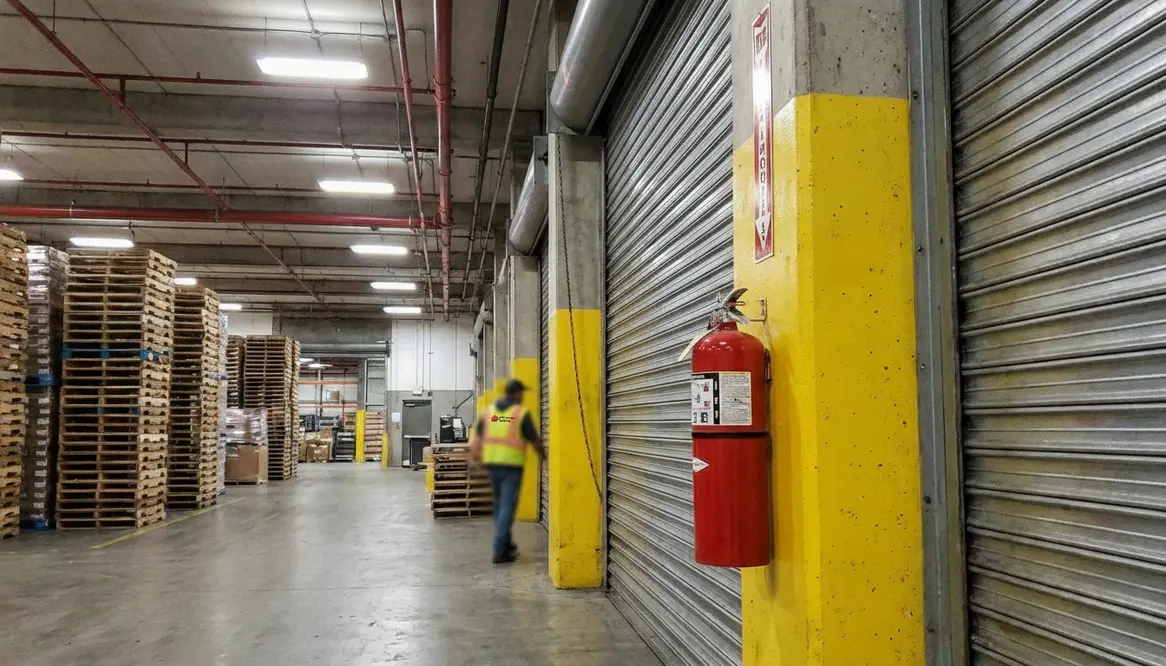
Industrial Fire Safety Requirements and Systems Guide
Fire Safety Requirements for Industrial Facilities are not the kind of thing I treat as background noise. In a plant, warehouse, or major property building, one small spark can turn into a whole lot of regret, paperwork, and alarm bells that nobody wants to hear at 2 a.m. So I take this seriously. I also keep it practical. Industrial fire safety is not just about alarms and sprinklers; it is about planning, fast action, trained people, and equipment that works when the heat is on. That is where industrial fire safety requirements do their real work, and yes, they can save lives, assets, and more than a few headaches.
What I Check First in an Industrial Fire Safety Plan
I always start with the basics, because the basics are where most strong safety programs win or fail. First, I look at the building use, the materials stored inside, and the work done on site. A chemical area needs a different setup than a packaging floor. A high rack storage space also has different risks than a machine room. That may sound obvious, yet people still act surprised when fire behaves like fire. Very rude of it, honestly.
Next, I check for clear escape paths, visible signs, working emergency lights, and easy access to exits. Then I look at housekeeping. Dust, cardboard, blocked doors, and poor storage habits can raise risk fast. In industrial fire safety, small messes become big problems. So I always push for order, because a clean site gives fire less to feed on.
How I Build Strong Fire Protection Systems
A solid fire protection setup needs layers. I do not rely on one tool and hope for the best. That would be like bringing a paper umbrella to a storm and calling it a strategy.
Core Layers I Rely On
Detection: I use smoke, heat, and flame detection based on the space and the hazards present.
Suppression: I match sprinkler systems, special suppression, or extinguishers to the risk level.
Water Supply: I confirm that water demand, pressure, and backup plans can support the system.
Alarm Response: I make sure alarms alert the right people fast, with no confusion and no mystery beep that everyone ignores like a bad group text.
For many commercial and industrial facilities, reliable fire pumps are a key part of the system. If water pressure drops or demand rises, the pump must step in without hesitation. I recommend reviewing a trusted resource like fire pump systems for commercial and industrial facilities when planning coverage for major properties. This matters because a fire pump is not decoration. It is part of the muscle of the whole system.
Where Industrial Fire Safety Requirements Become Non Negotiable
Some parts of a facility need strict control every single day. I pay special attention to hot work areas, storage rooms, electrical spaces, loading docks, and production zones with fuel, oil, dust, or high heat. These are the spots where a normal workday can turn into a headline.
Also, I never treat maintenance as optional. Fire doors must close properly. Sprinkler heads must stay clear. Valves must remain accessible. Emergency equipment must stay in service. If one part fails, the whole chain weakens. That is why industrial fire safety requirements are not just a code issue. They are a daily discipline.
A Simple Two Column View of What I Focus On
Risk Area
Hot work
Storage
Electrical
Fuel and chemicals
What I Want to See
Permit control, fire watch, and clear cleanup
Safe stacking, aisle space, and no blocked equipment
Proper panels, no overloads, and routine checks
Correct containment, labeling, and separation
This kind of review helps me spot weak points fast. It also keeps the site easier to manage, which matters when the clock is ticking and nobody wants to play detective with a fire alarm.
How I Train Teams to Respond Fast
Even the best system needs people who know what to do. So I make training part of the job, not a once a year box to tick and forget. Workers should know where exits are, how to report a fire, when to use an extinguisher, and when to leave it to the pros. I also make sure supervisors know shutdown steps, because a good response can limit damage before help arrives.
Practice drills matter too. They show me where people hesitate, which routes create delay, and which doors stay mysteriously blocked, as if the building has a hobby. Drills expose weak spots without the cost of a real event. That is a trade I like.
Why I Keep Inspections on a Tight Schedule
I do not wait for a problem to announce itself. I inspect. Then I inspect again. Regular checks help me catch worn parts, low water pressure, damaged alarms, expired extinguishers, and system issues before they grow teeth. This is where good records help a lot. If I track inspections, repairs, and test results, I can see patterns and act early.
That habit also supports compliance. More importantly, it supports peace of mind. And in industrial safety, peace of mind is not fluff. It is the quiet result of doing the work right, day after day. Strong records and consistent inspections also make it much easier to demonstrate that industrial fire safety requirements are being taken seriously, not treated as a once-a-year paperwork exercise.
Putting Industrial Fire Safety Requirements Into Daily Practice
On paper, industrial fire safety requirements can look like a long list of codes, standards, and acronyms. In the real world, they look like clear exits, working alarms, clean floors, trained teams, and equipment that actually performs under stress. When these pieces line up, fire safety stops being a guessing game and becomes part of how the facility runs every single day.
The goal is not to chase perfection; the goal is to remove as many ugly surprises as possible. That means checking conditions often, updating procedures when processes change, and treating near-misses as free lessons instead of lucky breaks. When leadership backs that mindset, industrial fire safety requirements stop feeling like an outside rule and start feeling like basic common sense.
FAQ
Conclusion
I believe strong fire safety starts with clear plans, reliable systems, and trained people who know how to act without panic. If you manage a commercial or industrial facility, now is the time to review your setup, test your response, and tighten the weak spots before they turn costly. Take the next step today, connect your team, and make fire safety part of your daily operations, not just a folder on a shelf. When industrial fire safety requirements are treated as a daily habit instead of an occasional project, the odds tilt sharply in your favor.