Fire Pump Replacement Los Angeles Commercial Buildings
Fire Pump Upgrades for Aging Downtown Los Angeles Buildings
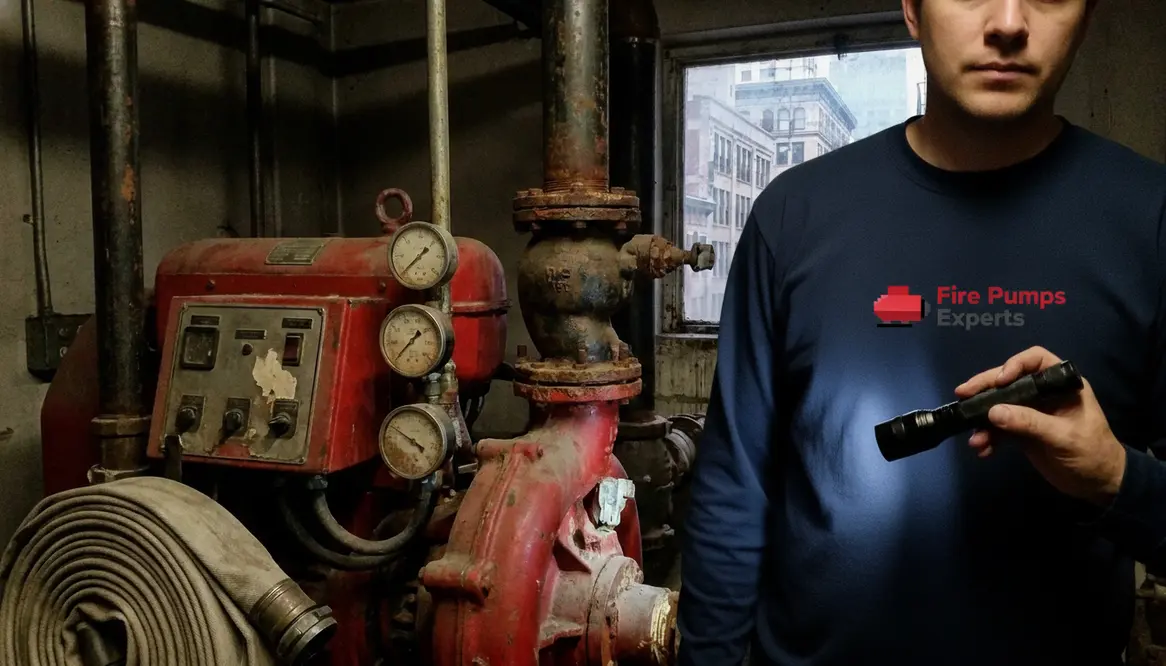
In the heart of the city, old towers still stand tall, and many of them carry the weight of decades. I have seen how fire pump replacement los angeles commercial buildings can turn a tired system into a strong line of defense. In aging downtown Los Angeles buildings, that matters more than a fresh coat of paint or a lobby that looks like a movie set. After all, a fire pump does not care about style. It cares about pressure, flow, and whether the system can do its job when seconds count.
That is why I look at fire pump upgrades as a practical step, not a luxury. Older buildings often face weak water pressure, outdated controls, and parts that have simply lived a long life. And like an old action hero in the final sequel, a system can only take so many hits before it needs a proper upgrade.
Why aging downtown buildings need fire pump upgrades
Older commercial buildings in downtown Los Angeles face a mix of design limits and wear from time. First, many were built before today’s fire protection needs. As a result, their pumps may struggle to support modern sprinkler systems, standpipes, and high rise demands. Also, equipment may sit in tight rooms with poor ventilation, which adds heat and stress over time.
In my experience, the biggest risk is not always a complete failure. More often, I see weak performance. The pump starts, but it cannot keep the pressure where it should be. That kind of problem can create trouble during an inspection, and even more trouble during an emergency. So, if a building has added new tenants, changed floor use, or grown beyond its original design, the fire pump may no longer fit the job.
What I check before planning a fire pump replacement los angeles commercial buildings
Before I recommend a replacement, I look at the full system, not just the pump. That includes the driver, controls, suction supply, discharge piping, test headers, and power source. If one part is weak, the whole setup can fall behind. Therefore, I start with a review of age, condition, and code fit.
Here is how I usually break it down:
System review
- Pump age and wear
- Control panel health
- Water supply
- Building changes
What I look for
- Rust, vibration, leaks, and poor output
- Alarm issues, faulty wiring, or outdated parts
- Stable pressure and enough volume for demand
- New floors, tenant changes, or added fire load
That review helps me decide whether repair makes sense or whether a full upgrade gives better value. And yes, sometimes a small fix works. But if the pump is near the end of its life, patching it is like taping a sneaker before a marathon. It may hold for a while, but I would not bet the building on it.
How I plan upgrades without shutting down the building
Downtown Los Angeles buildings do not sit empty waiting for work to finish. Tenants need access. Critical systems need uptime. So, I plan upgrades with a clear path and a tight schedule. First, I map the work around business hours when possible. Then, I coordinate testing, tie in the new equipment, and keep any outage window as short as I can.
I also look at temporary protection needs. If a building has active use during the project, I want a plan that keeps fire safety in place while crews work. That may involve phased work, careful shutdown notices, and close communication with building management. Smooth planning matters here. Nobody wants a fire pump project to feel like a surprise episode drop from a streaming show no one asked for.
Fire pump upgrade choices that fit older commercial properties
Not every building needs the same upgrade. Some need a new electric pump with modern controls. Others need a diesel unit because power reliability matters more in that location. In some cases, I recommend a full package update, including pressure sensing, controllers, and test equipment. That way, the system works as one clean unit instead of a mix of old and new parts arguing in the background.
When I compare options, I focus on three things: code fit, long term reliability, and serviceability. A system should not just pass inspection. It should also be easy to test, easy to maintain, and ready for the next decade of use. That is where smart upgrades pay off. They lower stress for owners, reduce surprise breakdowns, and support compliance without constant drama.
If you are weighing fire pump replacement los angeles commercial buildings for an older tower, matching the upgrade to the property’s layout, utilities, and tenants is what keeps the project from turning into a headache. The right combination of pump type, controls, and testing access makes inspections smoother and keeps the building’s protection aligned with real-world demand.
When to replace instead of repair fire pump replacement los angeles commercial buildings
I usually favor replacement when the pump has repeated failures, major corrosion, outdated controls, or parts that no longer match current needs. I also lean that way when repair costs keep climbing. At some point, the math stops making sense. If a system needs frequent attention, a new installation often gives better control and fewer interruptions.
For a useful benchmark, I also recommend checking how long commercial fire pumps last in real-world use. That guide helps owners understand lifespan signs before a small issue turns into a bigger one. For major commercial and industrial buildings, that timing can make all the difference.
In many fire pump replacement los angeles commercial buildings projects, a clear tipping point shows up: the moment when downtime, emergency calls, and patchwork fixes start costing more than a planned upgrade. That is the moment to stop taping the sneaker and start investing in a system built for the next chapter of the building.
Planning fire pump replacement in real downtown conditions
Downtown Los Angeles does not offer generous utility rooms or empty basements on every corner. Fire pump rooms can be cramped, oddly shaped, and tucked behind years of other upgrades. That is why any fire pump replacement los angeles commercial buildings project has to start with a realistic look at access: stairs, freight elevators, street clearances, and staging space all shape how the job gets done.
I pay attention to coordination with local inspectors and the fire department as well. When the layout is tight and the schedule is even tighter, having clear expectations about testing, signage, and acceptance steps keeps the project from stalling halfway through. A methodical approach turns a disruptive upgrade into a controlled, predictable part of the building’s long-term plan.
FAQ
Conclusion
If you manage an aging downtown property, I urge you to treat the fire pump like the life safety core it is. Do not wait for a failure to start the conversation. Instead, review the system, compare repair and replacement costs, and build a plan that fits your building’s size and use. If your property needs clear next steps, I can help you move from concern to action with a smart upgrade path that keeps the building ready.