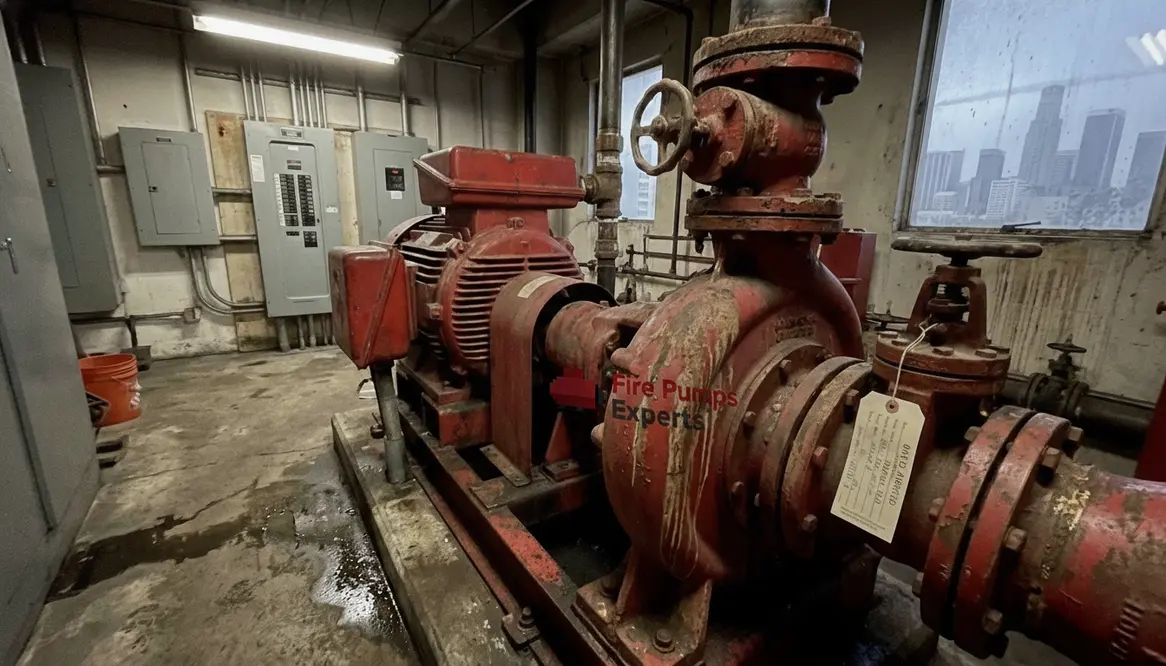
When to Replace a Fire Pump in Downtown LA Buildings
In the core of Downtown Los Angeles, a tired fire pump is more than a maintenance headache; it is a silent liability hiding in plain sight.
When Should a Downtown LA Building Replace Its Fire Pump? That question matters more than most owners want to admit. In a dense place like Downtown Los Angeles, a fire pump is not just another piece of equipment tucked away in a mechanical room. It is the muscle behind the sprinkler system, and when it starts to fade, the whole building feels the risk. I have seen how age, wear, and bad maintenance can turn a once reliable system into a very expensive gamble. So, if you are asking when should fire pump be replaced commercial building owners need to know the signs, the timing, and the logic behind the decision.
Here is the plain truth. I do not wait for a fire pump to fail before I think about replacement. That would be like waiting for a superhero to retire in the middle of a battle. Instead, I look at age, performance, repair history, code issues, and the building’s risk profile. In a city full of high rises, mixed use towers, and major commercial properties, the stakes stay high.
Downtown LA raises the stakes
Tight streets, tall structures, and packed occupancies mean a weak fire pump is not just the building’s problem. It is a neighborhood problem. That makes timing the replacement less about convenience and more about responsibility.
Age, Wear, and the Real Lifespan of a Fire Pump
I start with age because time leaves receipts. A fire pump can last many years, but not forever. According to industry guidance like this commercial fire pump lifespan guide, the life span depends on use, care, water quality, and the environment around it. That means one pump may still run fine after years of service, while another may begin failing much sooner.
In Downtown LA, heat, dust, vibration, and constant building demand can speed up wear. So, when I inspect a pump, I do not just ask how old it is. I ask how hard it has worked. If the pump shows corrosion, shaft wear, bearing issues, or trouble holding pressure, age starts to matter a lot more. At that point, repair may still work, but replacement starts to look smarter than keeping the old machine on life support.
That is usually when the question comes roaring back: when should fire pump be replaced commercial building managers are tired of gambling on? The answer lives in the test results, the sound of the equipment, and the feeling that the next failure is waiting just one alarm away.
When Repeated Failures Start Telling the Story
when should fire pump be replaced commercial building owners ask after repeated failures
Repeated breakdowns are the loudest warning sign. If I see the same problem come back again and again, I know the pump is trying to tell us something. Maybe the driver struggles to start. Maybe the casing leaks. Maybe the pump cannot meet rated pressure during tests. Whatever the issue, repeated failures usually mean the system is losing reliability.
Signs that tell me replacement is due
- Frequent repair calls in a short time
- Pressure that drops below expected levels
- Visible rust, leaks, or damaged parts
- Motor or engine problems during test runs
- Parts that are hard to find or no longer made
When these signs stack up, I stop thinking in terms of patchwork. Instead, I think about long term safety, uptime, and cost. A pump that keeps asking for attention can turn into a money pit, and nobody needs that kind of drama in a commercial tower. We already have enough of that from parking fees.
Repair or Replace: What I Look at First
When repair still makes sense
This is where the decision gets practical. I compare repair cost with replacement cost, but I also look deeper. A cheap repair may seem kind in the moment, yet if the pump has major internal wear, that repair can act like putting fresh tires on a car with a cracked frame. It looks better, but it does not fix the real problem.
Repair makes sense when the issue is small, the pump still performs well, and parts are easy to get. In that case, I can restore function without throwing away a system that still has useful life.
When replacement is the smarter move
Replacement makes sense when the pump fails test after test, the repairs keep coming, or the unit no longer matches current code or building needs. At that stage, replacement protects the property and helps avoid surprise shutdowns.
Also, if a building has expanded, changed use, or added load, the original pump may no longer fit the job. A system built for a smaller demand can struggle once the building grows up. Commercial life moves fast. The pump should keep pace, and that is usually when the question of when should fire pump be replaced commercial building owners rely on becomes impossible to ignore.
How Code, Testing, and Downtime Shape the Decision
I never make this call in a vacuum. Testing results matter, and so does compliance. If monthly or annual inspections keep showing weak performance, I take that seriously. Likewise, if the pump no longer passes expectations for the building’s fire protection plan, I treat that as a red flag, not a small hiccup.
Downtown LA buildings also face a practical issue: downtime. A major replacement needs planning, permits, coordination, and a clean handoff. So, I prefer to act before an emergency forces a rushed job. That way, I can schedule the work, protect tenants, and avoid the kind of stress that makes everyone age five years in one week.
Planning around “worst possible timing”
A fire pump failure never waits for a quiet Tuesday afternoon. It chooses the week your anchor tenant is hosting a VIP event or the exact moment your elevators are already out for modernizations. That is why the conversation about when should fire pump be replaced commercial building teams are responsible for should happen before anything actually breaks.
when should fire pump be replaced commercial building needs a proactive plan
A proactive plan gives me the best results. I use inspection records, test data, repair history, and system age to map out the next move. Then I can tell whether the pump needs another round of service or a full swap. That approach saves money over time and lowers risk when it matters most.
In Downtown LA, that plan usually includes clear triggers: a maximum age window, a limit on annual repair spend, performance thresholds during flow tests, and a schedule tied to other major building upgrades. The goal is simple: the fire pump retires on your terms, not in the middle of an alarm while everyone is suddenly very interested in the stairwells.
Quick Reference: When Replacement Jumps to the Front of the Line
Performance triggers
- Consistent failure to hit rated flow or pressure on tests
- Noticeable vibration, noise, or overheating during runs
- Inability to maintain pressure for the duration of the test
Cost and risk triggers
- Repair costs stacking up to a big chunk of replacement price
- Lead times for critical parts measured in months, not days
- Insurance or code issues tied directly to pump condition
FAQ
Final Word: Act Before the Alarm Does
If I had to sum it up, I would say this: do not wait for a fire pump to announce its retirement in the middle of an emergency. For Downtown LA commercial and industrial buildings, timing matters. When age, failures, repair costs, and test results start lining up, replacement becomes the wise move.
So, if your building shows any warning signs, I recommend a professional review now. Ask the hard question up front: when should fire pump be replaced commercial building management can trust for the next decade, not just the next inspection? A calm plan today can prevent a costly crisis tomorrow, and in a neighborhood built on glass, steel, and tight schedules, that trade is worth making every single time.