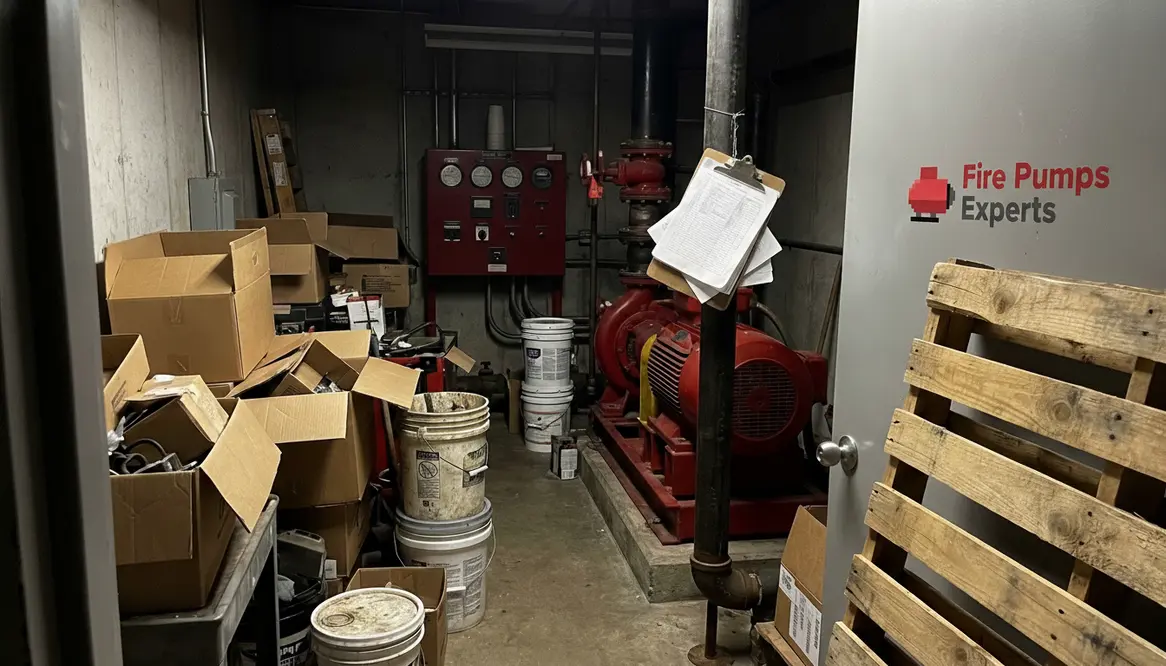
Fire Pump Room Code Violations That Fail Inspections
A no-nonsense guide to the fire pump room code violations that quietly set you up for failed inspections, awkward conversations, and expensive follow-up visits.
Fire Pump Room Code Violations That Cause Failed Inspections
When I walk into a fire pump room, I know one thing right away: the room does not get a second chance to impress the inspector. Fire pump room code violations can turn a routine visit into a failed inspection fast, and that can put a commercial or industrial property in a very awkward spot. In the world of life safety, the fire pump room is not the place to improvise. One loose door, one blocked vent, or one wrong label can set off alarms faster than a bad plot twist in a courtroom drama.
So, if you manage a large building, a plant, a warehouse, or another major property, I want to walk you through the most common issues I see, why they matter, and how I would fix them before the inspector shows up.
Why Inspectors Fail Fire Pump Rooms So Quickly
Inspection day is not the time for surprises. The inspector is not grading on a curve, and the rules are not flexible just because “no one has ever complained before.” Code is code, and the fire pump room either supports it or it does not. That is why even small fire pump room code violations can sink an otherwise well-run facility.
If you treat the room like a spare closet, inspectors will treat your report like a warning label. If you treat it like mission-critical infrastructure, they usually walk out satisfied and move on to the next poor soul who tried to hide a pallet of cardboard next to a fire pump controller.
Fire Pump Room Code Violations That Fail Inspections Fast
The most common failures usually come from the same trouble spots. First, inspectors look at access. If the room is hard to reach, locked in a strange way, or blocked by stored items, that is a problem. The fire pump room must stay clear because emergency crews need instant access. Second, they check for proper signage. If the room lacks clear identification, the inspector may treat that as a code issue. That sounds small, but small things become expensive very quickly. Life safety rules have a sense of humor only in the way a storm has a sense of humor.
Next, I always watch for maintenance gaps. If the pump, controller, or valves show signs of neglect, the inspection often goes sideways. Also, if records are missing, the inspector may assume the system has not been cared for. In that moment, paperwork becomes a hero or a villain. Usually, it wears a tie and carries a clipboard.
What I Check First in a Commercial Fire Pump Room
Before I even think about the finer details, I check the basics. The room must support the pump system without distractions or hazards. That means no storage, no unrelated equipment, and no random boxes that somehow “only live there for a minute.” In my experience, a minute becomes a year if nobody is watching.
Then I check the room’s layout. The pump needs working space around it, and the inspector needs room to test and review equipment. If the area feels cramped, cluttered, or unsafe, the inspection may fail on the spot. I also look at the door, lighting, temperature, and drainage. Each one plays a role, and each one can create trouble if ignored.
Item I Review |
Why It Matters |
Access path |
Emergency crews must reach the room fast |
Clear floor space |
Equipment needs safe working room |
Labels and signs |
Inspectors need clear identification at a glance |
Maintenance records |
Proof of care supports compliance |
Why Ventilation and Room Conditions Matter So Much
Ventilation is not just a nice extra. It keeps the room safe, protects the equipment, and helps the pump operate properly. If the room traps heat, moisture, or exhaust, the inspector may flag it right away. That is why I always point people to resources like fire pump room ventilation and compliance standards. It gives solid guidance for commercial and industrial facilities that need reliable performance and clean compliance.
Also, I look at temperature control. Fire pump rooms can fail when the environment damages equipment or makes it harder to operate. If the room feels like a sauna in July and a freezer in January, that is not a feature. That is a problem with a capital P. Proper ventilation and room conditions help protect the system, and they also show the inspector that the building takes compliance seriously.
How I Fix Common Fire Pump Room Compliance Problems
I fix problems by starting with the obvious and then digging deeper. First, I clear the room and remove anything that does not belong there. After that, I verify that signs, labels, and access points are easy to see and use. Then I test the equipment and review service logs. If I find missing records, I rebuild the file history as much as possible and set a plan for future checks.
Finally, I look at the room itself. I inspect vents, doors, lighting, drains, and any signs of damage. If I see wear or poor setup, I deal with it before the next inspection. That approach saves time, money, and a whole lot of stress. Nobody wants a failed report hanging over a property like a sequel nobody asked for.
Keeping Fire Pump Room Code Violations Off Your Report
The easiest way to avoid fire pump room code violations is to treat the room like live infrastructure, not dead storage. Walk it regularly. Check clearances. Confirm labels. Review logs. It is not glamorous work, but it is far better than explaining to ownership why a fire protection system failed over something as basic as a blocked door or missing sign.
FAQ: Fire Pump Room Inspection Issues
Conclusion
If I want a fire pump room to pass inspection, I treat every detail like it matters, because it does. I keep the space clear, maintain the equipment, document the work, and protect the room conditions before trouble starts. Fire pump room code violations do not appear out of nowhere; they grow slowly from shortcuts, clutter, and “we will fix it later.”
If your commercial or industrial facility needs a better compliance plan, now is the time to act. Review your room, fix the gaps, and bring in qualified support before the next inspection puts you on the spot. Treat the space like a critical asset, keep fire pump room code violations off the report, and let the inspector walk out without a dramatic ending.