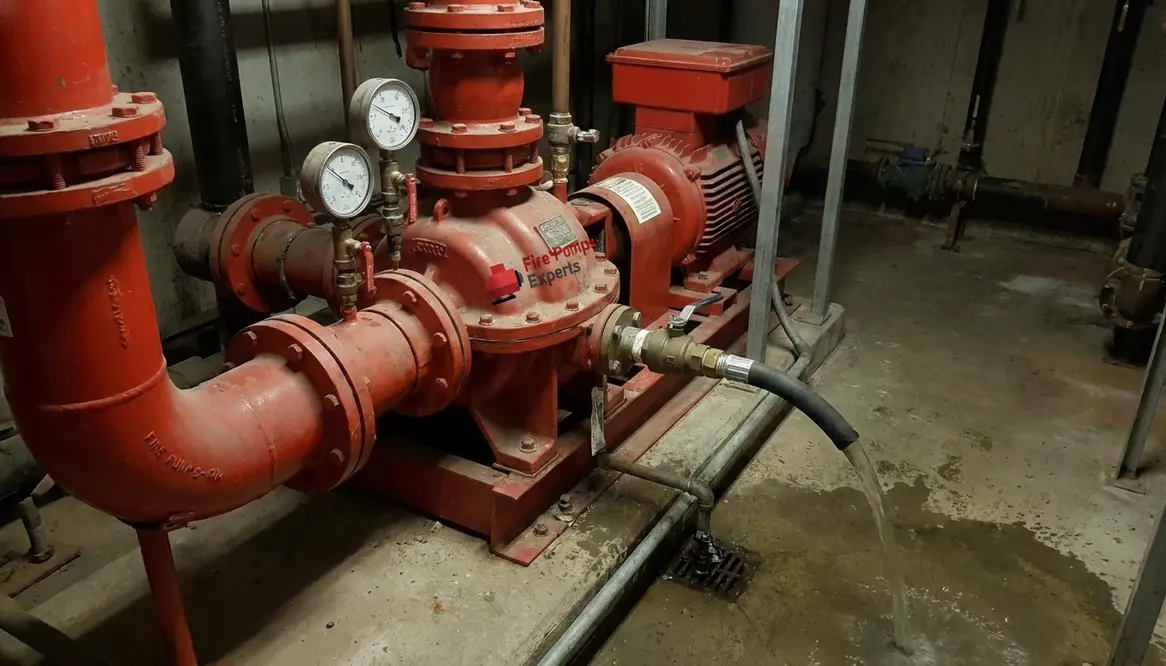
Fire Pump Pressure and Flow Essentials
When I talk about fire pump pressure and flow, I am talking about the quiet force that helps protect commercial and industrial buildings when a fire breaks out. It sounds technical, because it is. However, the idea is simple enough: pressure gives water the push it needs, and flow gives it the volume to do the job. If one drops, the system starts acting like a bad sequel no one asked for. In large facilities and major properties, that balance can decide whether sprinklers perform as planned or fall short.
In this article, I will break down how pressure and flow work, why both matter, and how building owners can make smarter choices for safety and compliance. I will also keep this practical, because fire protection should not read like a tax code.
What fire pump pressure and flow actually do
Pressure and flow work together, but they are not the same thing. Pressure is the force that moves water through the system. Flow is the amount of water the system delivers each minute. So, if pressure is the engine, flow is the fuel line getting the job done. Without enough pressure, water cannot reach far enough. Without enough flow, the system cannot supply enough water to protect the building.
In a commercial tower, warehouse, or industrial site, that balance becomes critical fast. A tall building needs enough pressure to push water upward. A large plant needs enough flow to cover more heads, more lines, and more risk areas. Therefore, I always look at both numbers together. One number alone tells only half the story, and half a story will not calm a fire.
How I measure fire pump pressure and flow
When I evaluate a fire pump, I look at its rated pressure and its rated flow. These values tell me how the pump should perform under set conditions. Then, I compare them to the actual demand of the property. That includes pipe size, sprinkler layout, elevation, water source, and building use.
Here is the simple rule I follow: the system must match the worst likely demand, not the easiest day on the calendar. After all, fire safety does not wait for a convenient moment. If the pump cannot maintain pressure while delivering the needed flow, the whole setup may struggle when it matters most.
Why building type changes the answer
Different properties need different pump setups. A storage warehouse does not behave like a data center. A high rise does not act like a manufacturing floor. So, I never treat fire pump sizing like a copy and paste job. That would be like using one playlist for both a wedding and a heavy metal concert.
Commercial and industrial buildings often need careful review because they carry higher risk, larger floor space, or special equipment. Major properties also tend to have complex sprinkler demands, fire lanes, and water supply challenges. In these places, I focus on both system design and long term reliability. A pump that looks strong on paper still has to perform in the real world, under real load, with real pressure loss in the lines.
Fire pump pressure and flow in real world system design
When I work through system design, I think in layers. First, I check the water source. Then, I look at how much pressure the system loses through pipes, valves, and elevation. After that, I review how much flow the building needs during a fire event. This step by step approach helps me spot weak points before they turn into expensive surprises.
Below is a simple view of how the two numbers support each other:
Pressure
Pushes water to where it must go
Helps water reach upper floors and distant areas
Supports sprinkler performance under load
Flow
Delivers the amount of water needed
Covers multiple sprinklers or demand points
Helps maintain fire control across larger zones
When both stay in range, the system works with confidence. When one slips, the whole setup can lose strength. That is why testing, inspection, and proper design matter so much.
What can hurt performance over time
Even a good pump can drift from peak performance. Wear, clogging, poor maintenance, air leaks, and valve issues can all reduce pressure or flow. In addition, changes to the building can create new demand that the old design never planned for. A remodeled floor, added storage, or new equipment can quietly raise the load.
That is why I recommend regular review for commercial and industrial facilities, as well as major property buildings. The system should not sit there like an old sitcom set, hoping no one notices the dust. Instead, it should be checked, tested, and adjusted as needed. If your team wants a deeper look at system support, I suggest reviewing this fire pump service resource for more context on fire pump solutions.
When should I ask for a fire pump review?
Ask for a review when the building changes, when water supply changes, or when test results shift. Also, ask if your property has repeated pressure drops, uneven sprinkler performance, or aging equipment. These signs often point to a system that needs attention before a real emergency tests it for you.
For local search relevance and a practical service reference, I also recommend this los angeles fire pump support page. It can help guide next steps for large commercial and industrial properties that need dependable protection.
Quick FAQ on fire pump pressure and flow
If you want the short answers before you get into the bigger decisions, here they are. These questions come up constantly when people compare fire pump pressure and flow for a facility.
Conclusion
If I want a fire protection system to do its job, I need to respect both pressure and flow. They are the backbone of pump performance, especially in large commercial and industrial properties. So, do not wait for a bad test or a worse emergency. Review your fire pump pressure and flow, check the numbers, and make sure your building is ready. If you manage a major property, now is the time to act and protect what matters most.