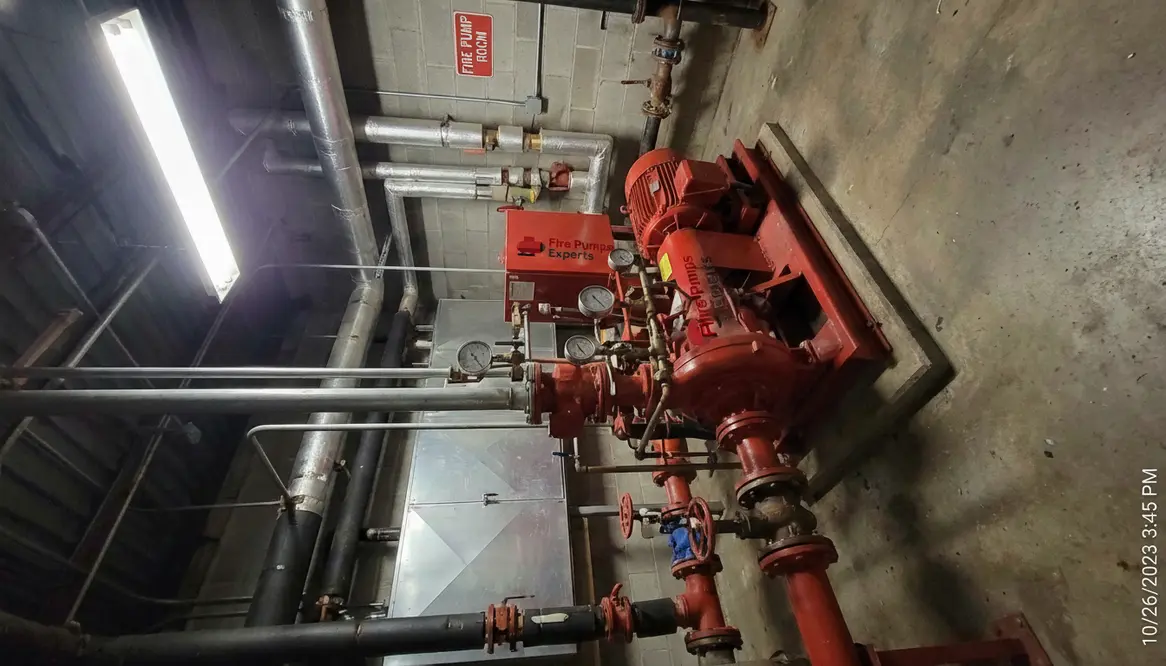
How Fire Pumps Support Sprinkler Systems
When I look at a sprinkler system, I do not just see pipes, heads, and valves. I see a quiet guardian waiting for the worst day to arrive. And right at the heart of that protection sits the fire sprinkler pump, doing the heavy lifting when water pressure alone cannot get the job done. For commercial and industrial buildings, that matters a great deal. After all, a sprinkler system is only as strong as the water feeding it, and pressure problems do not care how expensive the building is. They show up anyway, usually with terrible timing and zero manners.
In large facilities, fire protection must work fast, stay reliable, and support real risk. That is where fire pumps step in. They help sprinkler systems deliver the flow and pressure needed to control fire before it spreads. In this article, I will walk through how they work, why they matter, and what building owners should know if they manage major properties, warehouses, plants, office towers, or similar sites.
Why sprinkler systems need a boost
Sprinkler systems depend on water pressure. However, many commercial and industrial properties have pressure drops because of building height, long pipe runs, multiple demand points, or weak municipal supply. That is where the pump becomes the quiet hero in the background. It boosts water pressure so sprinkler heads can activate with enough force to do their job.
Without that support, a sprinkler may still open, but weak flow can limit coverage. And yes, that is a little like bringing a flashlight to a blackout with dead batteries. The intention is noble, but the result is less than reassuring.
Fire pumps also support code compliance. Many large buildings must meet strict fire protection rules, and those rules often require a dependable pump when water supply cannot meet demand on its own. In other words, the pump is not a luxury. It is part of the system’s backbone.
How a fire sprinkler pump works in real life
The process is simple in concept, yet smart in execution. First, the system senses a pressure drop when a sprinkler opens. Then the pump starts and increases water pressure from the supply line or storage tank. As a result, water reaches the active sprinklers with enough force to help control the fire.
Here is the short version in dual columns:
What the pump does
- Boosts pressure
- Supports sprinkler demand
- Helps maintain flow during fire events
Why it matters
- Sprinklers need steady water delivery
- Weak pressure can reduce system performance
- Large facilities often face higher demand than small buildings
The pump works with other parts of the fire protection setup, including controllers, jockey pumps, alarms, and water storage if the site uses it. Together, they create a system that responds quickly. And that speed can make the difference between a small incident and a full blown disaster movie, minus the popcorn.
What commercial buildings gain from stronger pressure
Commercial and industrial buildings have unique needs. A tall office building faces pressure loss from height. A warehouse may have wide coverage zones. A manufacturing site may store valuable equipment and materials that need fast suppression. Because of that, a fire sprinkler pump gives the system the support it needs across the whole property.
I also see another benefit that often gets overlooked: confidence. Facility managers, owners, and safety teams need to know the system can perform under stress. A well sized pump helps deliver that confidence. It also supports uptime. If a fire event grows, the damage can lead to long shutdowns, major repair costs, and a mess that no one wants to explain in a board meeting.
What I check in a fire protection plan
When I review a fire protection setup for a major property, I focus on a few key points:
- Water supply strength
- Building size and height
- Sprinkler demand range
- Pump size and performance curve
- Testing and maintenance schedule
These details matter because the pump must match the building’s real needs. A system that looks fine on paper can still fail if the pump cannot keep up in a fire event. That is why planning matters so much. You do not want the hero showing up in the wrong shoes.
How to keep the system ready year round
A fire sprinkler pump only helps if it stays ready. So I always stress regular testing, inspection, and maintenance. Pumps need checks for power, pressure, vibration, seals, and control functions. In addition, the system must stay clean and free from issues that can affect performance.
Routine service also helps catch small problems before they become expensive ones. For example, low pressure, worn parts, or control faults can all cause trouble later. Therefore, a reliable maintenance plan protects both safety and budget. For building owners who manage large facilities, that is a smart trade. Peace of mind rarely comes cheap, but system failure costs more.
For helpful guidance on commercial fire pump support, I often point owners to commercial fire pump solutions by Kord Fire. If you are looking for a local option, you can also review los angeles fire pump services for more information.
FAQ
Conclusion
If I had to sum it up, I would say this: a fire sprinkler pump gives sprinkler systems the pressure, flow, and reliability they need to protect commercial and industrial buildings when every second counts. If you manage a major property, now is the time to review your fire protection setup and make sure it can perform under real pressure. Do not wait for a fire to reveal a weak link. Get the system checked, stay ready, and keep your building protected.