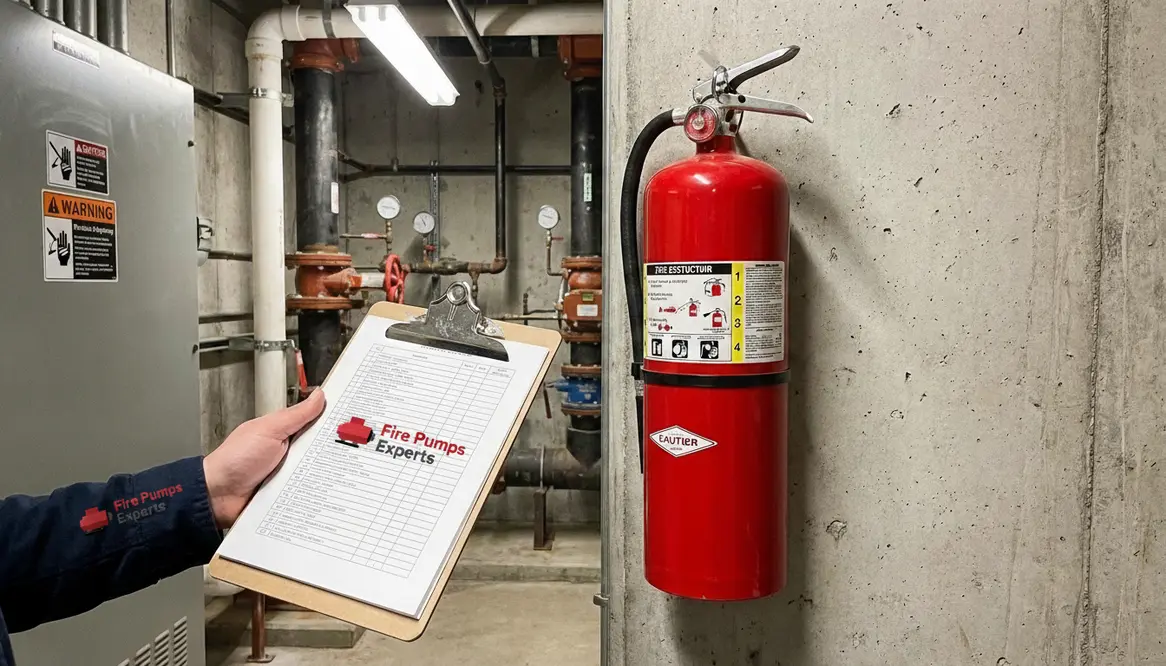
Australian Fire Protection Standards for Building Owners
Australian fire protection standards Every Building Owner Should Know
I’ve seen one truth hold steady across every city tower, warehouse, and major property I’ve walked through: fire safety is never just paperwork. Australian fire protection standards shape how I protect people, property, and business continuity when the heat turns real. And yes, the standards can feel a bit like a rulebook written by someone who really loved checklists. Still, if I own or manage a commercial or industrial building, I need to know the basics, because the wrong setup can turn a small incident into a very expensive headline.
In this guide, I’ll break down the key standards, what they mean in practice, and where building owners often slip. I’ll keep it clear, practical, and useful. Because fire safety should not feel like a mystery wrapped in a compliance folder.
What Australian fire protection standards cover in a building
These standards set the rules for how I design, install, test, and maintain fire systems. They cover alarms, sprinklers, hydrants, fire pumps, extinguishers, emergency lighting, exit paths, and routine inspections. In short, they tell me what a building needs to help people get out safely and help firefighters do their job fast.
Australian fire protection standards also connect with the National Construction Code and related Australian Standards. That matters because compliance is not optional garnish. It sits at the center of how a building passes inspections, stays insured, and remains safe for daily use.
Here is the simple version: if the building is large, busy, or high risk, I need a system that matches that risk. A small office and a distribution center do not need the same fire setup. That should be obvious, but sometimes common sense needs a helmet.
Key systems I need to keep compliant
Fire alarms and detection
I need alarms that detect smoke or heat early and alert everyone fast. In larger commercial buildings, these systems often link to monitoring services and other safety equipment.
Sprinklers and suppression
Sprinkler systems help control a fire before it grows. For industrial and major properties, the design must fit the hazard level, the layout, and the stored materials.
Fire pumps and water supply
Where a building needs boosted water pressure, fire pumps become vital. I treat them as mission critical, not just another machine in a corner.
Emergency exits and lighting
People must find exits quickly, even in smoke or power loss. So, I need clear paths, proper signs, and lighting that actually works when it matters.
How I stay compliant with inspection and testing schedules
Compliance does not end after installation. In fact, that is where the real work starts. I need regular testing, servicing, and documentation for every critical system. That includes pumps, alarms, hydrants, extinguishers, and emergency lights. If one part fails, the whole chain weakens.
To stay on track, I follow a planned maintenance cycle. First, I check the service intervals required for each asset. Next, I keep records of every inspection, fault, repair, and replacement. Then I make sure qualified technicians sign off the work. This matters because if I ever face an audit, an insurance review, or a real fire event, the paperwork tells the story.
And yes, the paperwork can feel endless. But so does explaining to a board why the pump failed because nobody tested it since the dawn of time.
Where building owners usually get caught out
Most problems do not start with a massive failure. They start with small misses that pile up. I often see these mistakes:
First, owners assume the contractor handled everything, so they never review the building’s compliance status.
Second, systems change over time, but the fire plan stays frozen like a bad sequel. New walls, new tenant fitouts, or new storage layouts can all affect fire risk.
Third, owners skip routine checks because nothing has gone wrong yet. That logic has the same energy as ignoring a smoke alarm because the toast was only a little bit burnt.
Fourth, the building uses the wrong service plan for its risk level. A commercial office may need one approach, while a large warehouse, plant room, or mixed use property needs something much more robust.
How I use fire protection advice for major commercial sites
When I manage a large property, I do not guess. I work with specialists who understand commercial and industrial fire systems, because the stakes sit too high for trial and error. I also look for providers that understand Australian fire protection standards in real site conditions, not just in a brochure.
If I want a practical example of that kind of support, I can review the fire protection services in Australia for a closer look at how experienced teams handle system design, maintenance, and compliance support. For properties that rely on suppression equipment, the los angeles fire pump solutions page is also a useful reference for pump related system support, especially where commercial and industrial sites need reliable water delivery under pressure.
That matters because major buildings do not get points for effort. They get judged on performance. And yes, Australian fire protection standards still apply whether you are upgrading a pump set, refreshing sprinklers, or tightening alarms for a new tenant.
FAQ
Quick answers before the next inspection reminder
Conclusion
I never treat fire compliance like a box ticking exercise, because the building will not forgive that kind of attitude. If I own or manage a commercial or industrial property, I need the right systems, the right checks, and the right expert support. So, I should review my current fire setup now, confirm it meets Australian fire protection standards, and act before a small issue becomes a costly emergency. That is the smart move, and frankly, the calm one.