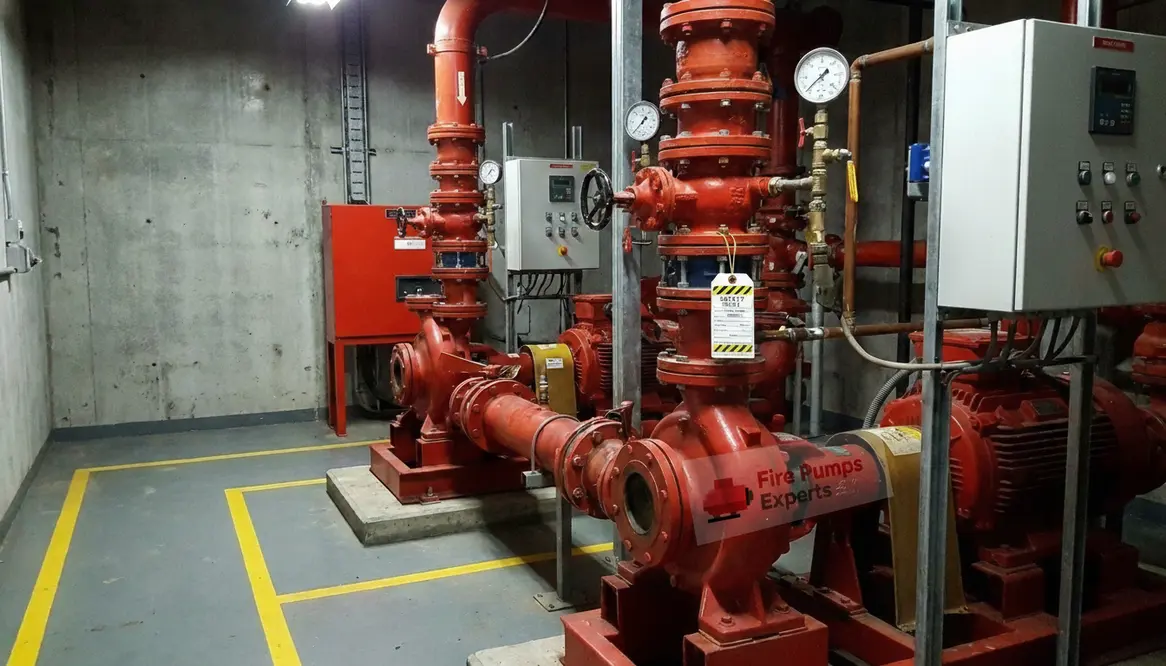
Fire Pump Regulations Australia for Commercial Buildings
Fire Pump Regulations in Australia: when I look at commercial and industrial buildings, I see one truth rise above the rest: water pressure does not care about your confidence. It cares about compliance. That is why I pay close attention to fire pump regulations Australia, because these rules shape how major properties protect people, plant, and assets when a fire breaks out. In plain terms, if a building relies on a pump to move water fast and hard enough to fight fire, then the pump must meet the right standards, be installed correctly, and stay ready. Otherwise, you get a very expensive box that just hums like a tired fridge during the worst possible moment.
In this article, I will walk through the key rules, the standards that matter, and the checks I would never skip in a commercial or industrial setting. I will also keep it practical, because nobody wants a lecture that sounds like it was written by a very bored robot in a suit.
What fire pump regulations mean for commercial buildings
In Australia, fire pump rules sit inside a wider fire safety system. I do not treat them as a side note, because they support the whole sprinkler and fire service setup in major properties. The main goal is simple: the pump must deliver the right flow and pressure when the fire system calls for it.
For commercial and industrial facilities, this usually means the pump works with sprinklers, hydrants, or both. As a result, I always check the building class, the hazard level, and the fire system design before I even think about hardware. A small office and a busy warehouse may both need fire pumps, but they do not need the same setup. That would be like giving Batman a golf cart and calling it tactical.
The standards I use to check compliance
When I review a fire pump setup, I look at the Australian standards that guide design, installation, and testing. The exact mix depends on the system, yet the main idea stays the same: the pump must suit the site and the fire load. I also check local fire authority requirements, because some states and territories add their own steps.
Here is the short version of what I focus on:
Compliance basics in practice
- Correct pump type for the fire system
- Enough pressure and flow for the whole protected area
- Reliable power supply and backup where needed
- Proper pump room access, ventilation, and drainage
- Clear labels, controls, and shutdown protection
However, compliance does not stop at installation. I also look at maintenance records, test results, and any changes to the building that may affect performance. A new racking layout, for example, can change the fire risk fast. The pump did not move, but the building story did.
How I approach design, installation, and testing
I treat fire pump work like a chain, because one weak link can ruin the whole thing. First, the design must match the actual water demand. Then, the installation must follow the approved drawings and standards. After that, the system needs testing to prove it works under real load, not just on paper where everything looks wonderful and the universe is full of optimism.
| Stage | What I check |
|---|---|
| Design | Pump size, duty point, water source, system demand |
| Installation | Pipe work, valves, cabling, room layout, access |
| Testing | Flow, pressure, startup, alarms, fail safe operation |
| Maintenance | Routine checks, service logs, fault repairs, retesting |
Because fire pumps protect high value sites, I never recommend a “fit and forget” mindset. Instead, I push for scheduled testing and service. That keeps the system honest. It also helps owners avoid the awkward surprise of finding a problem during an emergency, which is the fire safety version of finding out your phone died right before takeoff.
What I check during inspections and maintenance
In real life, I spend a lot of time on the practical details. I check whether the pump starts cleanly, whether the controller shows faults, and whether the water supply stays stable. I also look at batteries, fuel systems for diesel pumps, and any sign of wear or corrosion.
For commercial and industrial buildings, I pay extra attention to site changes. Storage changes, extra floors, new tenants, or production changes can all shift the fire risk. As a result, the pump system may need a review even if nothing looks wrong on the surface. The building may still be standing tall, but the fire profile can change like a plot twist in a streaming drama.
If I need a deeper technical reference for system setup and support, I also review the Kord Fire pump solutions resource, because it helps me stay aligned with site ready fire protection needs for large properties. For a broader local reference point, I also use los angeles fire pump guidance when comparing pump service ideas and system expectations across large commercial settings.
Fire pump regulations Australia FAQs
Conclusion
If you manage a commercial or industrial property, I urge you to treat fire pump compliance as a living job, not a one time task. The right setup protects people, stock, and continuity when seconds matter. So, review your system, check your records, and make sure your pump can do its job without drama. If you want a practical review of your site, reach out today and keep your protection strong, simple, and ready.