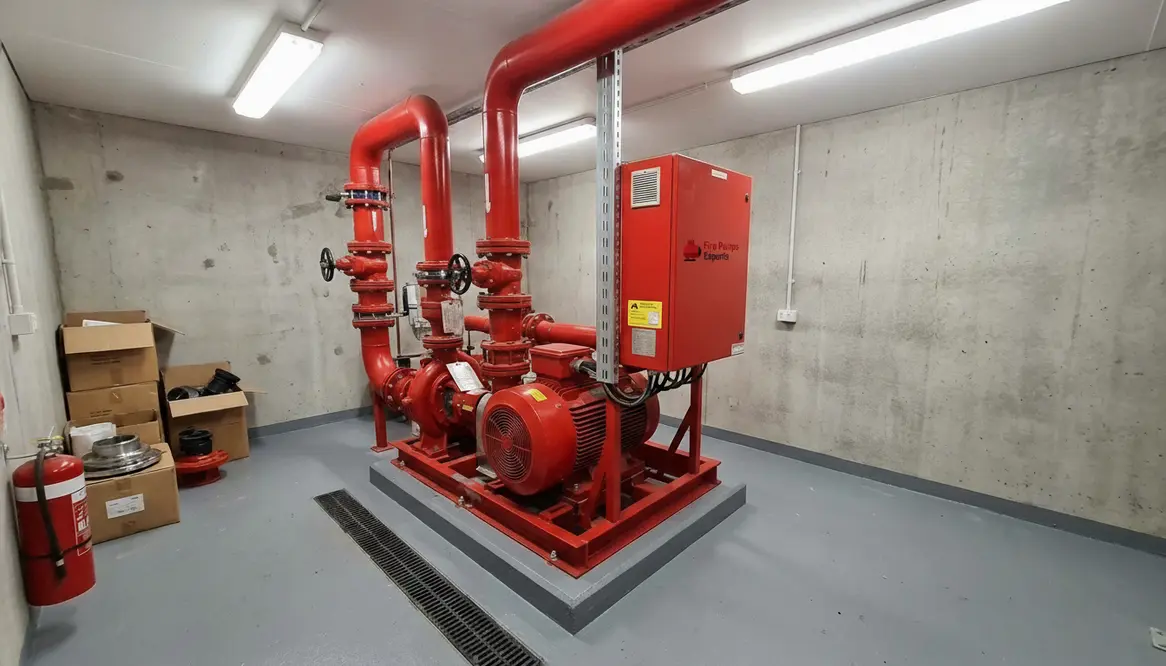
Fire Pump Compliance Australia Audit and Maintenance
Fire Pump Compliance Requirements in Australia can feel like one of those topics people push to the bottom of the inbox until the alarm bell starts singing. I get it. Yet for commercial and industrial facilities, and for major property buildings, this is not busywork. It is the quiet work that keeps people safe, protects assets, and helps a site stay ready when pressure drops and the fire system has to perform under stress. In Australia, I treat compliance as a living process, not a once a year box tick. That matters, because when a fire pump fails, the whole script changes fast.
What I check first in a fire pump compliance audit
When I start a compliance review, I look at the system as a whole. First, I confirm the pump set matches the building design and the fire risk profile. Then I check whether the installation suits Australian standards, the site layout, and the water supply available. If the pump cannot deliver the right flow and pressure, then it is basically the Batman of the plant room with no cape.
I also verify the pump room itself. It needs safe access, clear ventilation, proper drainage, lighting, and room for maintenance. After that, I review the control panel, alarms, battery supply if fitted, and the main power source. A compliant system must start when needed and stay reliable under real use, not just look good on paper. That is where many sites get caught out. The documents say one thing, but the equipment tells the truth.
Fire pump compliance Australia and the standards that matter
Australian fire pump compliance usually comes back to a set of standards, site design documents, and local authority needs. I always check the current version of the applicable standards for fire pumps, fire hydrant systems, and fire protection works. However, standards do not live alone. They connect with building class, risk level, and inspection records. So, I read them like a map, not a slogan.
Here is the practical side. Compliance usually means the pump must:
System needs
- Deliver the required water flow and pressure
- Start automatically when the system demands it
- Have a dependable backup power arrangement where needed
- Be installed with clear access for testing and repairs
- Keep records of tests, servicing, and faults
- Stay aligned with any changes to the building or fire load
Dual column view
At this point, I like to say the rules are not there to make life harder. They are there because fire does not care about our calendar. It shows up uninvited, like a sequel nobody asked for.
How I keep inspection, testing, and maintenance on track
Regular testing is the heartbeat of compliance. I do not rely on a system that has only been admired from a distance. I want proof. That means weekly, monthly, quarterly, and annual checks depending on the site setup and the maintenance plan. During testing, I look for correct start up, stable pressure, proper fuel or power supply, leaks, unusual noise, and signs of wear.
Just as important, I review the logbooks. If a site cannot show service records, then it invites trouble during an audit or after an incident. In addition, fault repairs must happen fast and be documented properly. A damaged pressure switch, a stuck valve, or a failing controller can turn a compliant system into a very expensive decoration.
I also pay close attention to the pump strainers, valves, gauges, and pipework. These parts age quietly. Meanwhile, a small issue today can grow into a costly shutdown later. For commercial and industrial facilities, downtime hurts. For major property buildings, confidence matters just as much as performance.
Where buildings usually fail fire pump requirements
Most failures do not come from dramatic disasters. They come from small neglect. A site changes its layout, yet no one updates the fire documentation. A pump room becomes a storage closet for spare chairs and mystery boxes. Or a service visit happens, but the record disappears into the same digital void as half the emails in your workday.
Common problem spots include:
- Wrong pump size for the current fire demand
- Poor access to the pump room
- Blocked ventilation or drainage
- Missing or late maintenance records
- Unresolved alarms or control faults
- Changes to the building that were never assessed
Therefore, I always recommend a full review after renovations, tenant changes, major plant upgrades, or water supply changes. Compliance is not static. A building grows, a risk profile shifts, and the fire pump must keep pace. When you take fire pump compliance Australia seriously, these gaps are easier to spot before they become expensive surprises.
Why commercial sites should use a specialist fire partner
For commercial and industrial sites, I find that specialist support saves time and reduces risk. A good provider understands testing, standards, reporting, and how to keep systems available without creating operational chaos. That is why I often point people toward experienced resources like Kord Fire protection services when they need practical help with system readiness and ongoing compliance.
In addition, if you want a deeper look at pump solutions and service options, I suggest reviewing los angeles fire pump solutions. The name may sound like it took a wrong turn at the airport, but the technical focus is serious. For the right building, the right partner can mean fewer surprises and better long term reliability. In the same spirit, fire pump compliance Australia improves faster when the right experience is doing the work, not guesswork.
FAQ: fire pump compliance Australia
Quick answers for the questions that keep popping up when you are trying to keep fire pump compliance Australia tight, current, and not based on wishful thinking.
Bring fire pump compliance Australia under control, before it brings you a problem
If you manage a commercial or industrial property, now is the time to get ahead of fire pump risk. I would not wait for a fault, an audit, or a bad day to expose the gaps. Instead, review your pump set, your records, and your maintenance plan with a specialist who understands fire pump compliance Australia from the inside out. Reach out now, tighten the weak points, and keep your building ready for the moment that really matters. When fire pump compliance Australia is handled like a living process, the system stays dependable and the stress stays off the site.