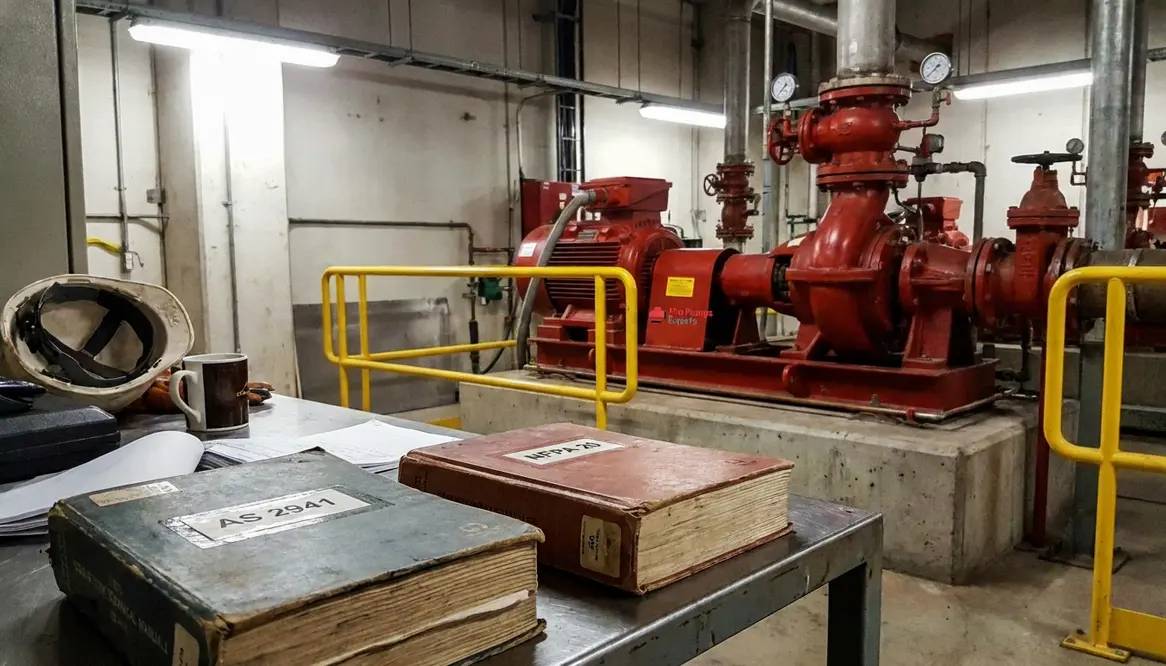
AS 2941 vs NFPA 20: Australian Fire Pump Standards
When I compare AS 2941 vs NFPA 20, I always start with one simple truth: both standards aim to protect people, buildings, and business continuity, but they do not speak the same language. One comes from Australia, the other from the United States, and that difference matters more than most people think. In commercial and industrial facilities, the wrong choice can lead to delays, redesigns, or a compliance headache that feels like carrying a piano up a staircase. So, I like to break it down clearly, calmly, and with the kind of detail that helps owners, engineers, and facility teams make smart decisions.
What AS 2941 Covers in Fire Pump Design
AS 2941 sets the Australian baseline for fire pump sets used in fire protection systems. It focuses on how the pump should perform, how it should be installed, and how it should support the building’s fire safety system during an emergency. In practice, I see this standard guide the design of pump rooms, pump selection, power supply, testing, and system reliability.
Because Australian sites often face local water, power, and building code conditions, AS 2941 gives a strong local framework. It also works closely with other Australian codes, so the whole system stays aligned. That matters a lot in large warehouses, factories, hospitals, data centres, and high rise buildings where fire performance cannot afford a dramatic plot twist.
How NFPA 20 Works for Fire Pump Systems
NFPA 20 serves a similar purpose, but it comes from a different rulebook. It gives detailed requirements for the installation of stationary fire pumps in the US and in many global projects that follow American standards. I find NFPA 20 especially detailed on pump arrangements, controller rules, suction conditions, engine driven pumps, and acceptance testing.
Since it has broad international use, many multinational owners ask for NFPA 20 on projects outside the US. However, that does not mean it automatically fits Australian sites. If I apply NFPA 20 without checking local rules, I can create a system that looks strong on paper but misses Australian compliance needs. And yes, that is the engineering version of wearing flip flops to a formal dinner.
AS 2941 vs NFPA 20: The Key Differences I Look For
Here is where the real comparison starts. I focus on four main areas: compliance basis, system layout, testing, and local approval.
AS 2941
Built for Australian fire safety conditions
Works closely with local codes and authorities
Often supports Australian project approvals more directly
NFPA 20
Built for US fire pump requirements
Used often in global and multinational projects
Can demand local review before it suits an Australian site
First, AS 2941 reflects local building practice and approval paths. NFPA 20 brings a very strong technical structure, but it may not match Australian expectations without adjustment. Second, the two standards handle some design details in different ways, especially around installation methods and equipment coordination. Third, the testing process can vary, so I always check what the authority and the fire engineer expect before equipment gets ordered. Finally, local compliance drives the outcome. A pump set that satisfies one standard does not always tick every box for the other.
How I Choose the Right Standard for a Commercial Site
I do not choose a standard by guesswork, and I never let the loudest person in the meeting win. Instead, I look at the project location, approval path, insurer needs, and the overall fire strategy. For Australian commercial and industrial buildings, AS 2941 usually becomes the default starting point. However, some owners with global operations may want NFPA 20 for internal consistency across sites.
That is where good planning matters. I review the fire risk, the building use, water supply, and the maintenance plan. Then I make sure the fire pump design supports the real site needs, not just a neat spec sheet. If the project has complex needs, I also look at specialist support from experienced teams such as Australian fire pump expertise for commercial projects, because good advice early on saves time, money, and a few grey hairs.
When Dual Compliance Creates Better Results
Sometimes a project needs both standards in view. That does not mean I build two separate systems. Rather, I use one primary compliance path and map the other standard against it to spot gaps. This approach works well for multinational owners, large campuses, and major property groups with shared technical policies.
For example, a facility may follow AS 2941 for local approval while still using some NFPA 20 methods for internal engineering consistency. That can help with training, spare parts planning, and maintenance across regions. Still, I always keep the local code in charge. The building does not care about corporate fashion trends; it cares about water, pressure, and fast response.
What Facility Teams Should Ask Before They Buy
Before anyone signs off on a fire pump set, I recommend asking a few direct questions. First, which standard controls approval on this site? Second, does the design suit the local authority and insurer? Third, does the pump room allow safe access and maintenance? Fourth, will testing and commissioning prove the system works under real conditions?
Those questions sound simple, but they protect major assets. And in my experience, clear answers prevent expensive rework later.
FAQ
Conclusion
If I had to sum it up, I would say this: AS 2941 vs NFPA 20 is not about which standard sounds tougher. It is about which one fits the building, the authority, and the risk. For commercial and industrial properties, the right fire pump strategy starts with local compliance and ends with reliable performance. If you are planning a new project or reviewing an existing system, now is the time to get expert help and make sure your fire protection works when it matters most.