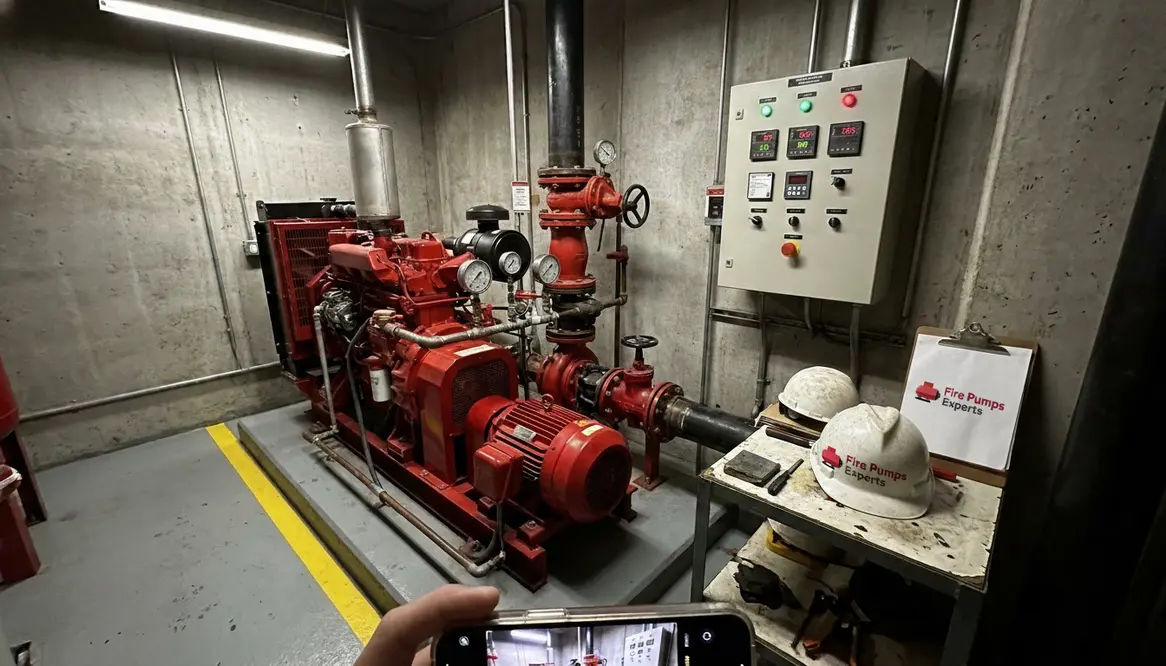
AS 2419 Fire Hydrant Pump Requirements: Commercial Setup
When I talk about AS 2419 fire hydrant requirements, I am talking about the kind of system that quietly sits in the background and then suddenly becomes the main character when trouble shows up. In commercial and industrial buildings, and in major property sites, the fire hydrant pump must do one job very well: deliver reliable water pressure when it matters most. That is the whole show. No drama, no guesswork, no “we’ll fix it later” nonsense. In this article, I break down the key pump requirements, how I check them, and why the right setup matters for real world safety and compliance.
What the standard expects from a hydrant pump
AS 2419 sets the baseline for hydrant systems in Australia, and I always treat the pump as the heart of that system. If the heart stumbles, the whole body feels it. The pump must provide enough flow and pressure to support the hydrant demand across the site, even when the system works hard. That means I look at the building size, hose run, height changes, and the total demand from the hydrant network.
Just as important, the pump must start fast and run steady. A slow start can waste precious time, and in fire protection, time is the one thing nobody gets back. I also check whether the pump matches the site’s water source, because a great pump on a weak supply is like putting a Formula 1 driver in a shopping cart. Fun to imagine, useless in practice.
How I check pump performance for AS 2419 fire hydrant systems
When I assess an AS 2419 fire hydrant pump, I focus on performance first. The pump needs to deliver the required pressure at the most remote hydrant point, not just at the pump room. That is where many systems get caught out. On paper, everything may look perfect. In the field, however, friction loss and elevation can tell a very different story.
I also look at:
- Required flow rate for the site
- Pressure at duty and peak demand
- Pump curve match to the system design
- Motor or engine capacity
- Automatic start controls and reliability
In practice, I want the pump to stay within the design range without hunting, surging, or dropping off. That steady performance matters because a hydrant system must work under stress, not just when everyone is having a calm day and the coffee is still warm.
What parts make the system reliable
Reliability is not just about the pump itself. It is about the whole setup around it. I check the suction line, valves, isolation points, power supply, controller, test lines, and backup arrangements. If one weak part fails, the whole system can suffer. And yes, the fire does not care that a valve was “almost right.”
For commercial and industrial sites, I also pay close attention to access and maintenance space. A pump room that looks neat but blocks service work creates trouble later. Good design makes testing easy, repairs simple, and inspections less painful. That may not sound glamorous, but safety systems rarely win beauty contests anyway.
AS 2419 fire hydrant pump requirements for commercial sites
For major property buildings and large commercial facilities, the pump arrangement must suit the risk profile. That means I do not treat a warehouse, shopping complex, or multi level business site the same way I treat a small building. Bigger sites often need stronger supply planning, more careful zoning, and a closer look at pressure loss across the network.
Check
- Duty pump sizing
- Jockey pump fit
- Backup power
- Controller setup
- Test and maintenance access
Why it matters
- It delivers the needed water under load
- It holds system pressure and reduces pump wear
- It keeps the system ready during outages
- It supports fast automatic start
- It makes inspections practical and safe
For site owners, this is where the real value lives. A compliant system should not just pass a test once. It should keep working over the long haul. That is why I always recommend design choices that support both safety and maintenance.
Why maintenance matters more than most people think
A fire hydrant pump can look fine and still fail when it counts. That is the sneaky part. I have seen systems that had the right hardware, but poor testing and weak upkeep turned them into expensive wall art. Regular testing checks pressure, starting function, leaks, and controller response. It also helps catch wear before it grows teeth.
I also look for clear service records. If the last inspection happened during the last solar eclipse, that is a problem. Good records show that the system gets real attention, not just a nod from across the room.
For more support on commercial fire pump solutions, I often point people to Kord Fire pump services as a useful reference for site planning and system understanding. For a local service focus, see los angeles fire pump solutions.
FAQ
Quick answers for the questions that come up when you are assessing an AS 2419 fire hydrant pump requirement.
Conclusion
If you manage a commercial or industrial site, I would not leave AS 2419 fire hydrant pump requirements to chance. The right pump, the right setup, and the right maintenance plan all work together to protect people and property. So, if you want a system that stands ready without drama, now is the time to review your hydrant pump design, check your records, and speak with a fire protection specialist who knows the job inside out.