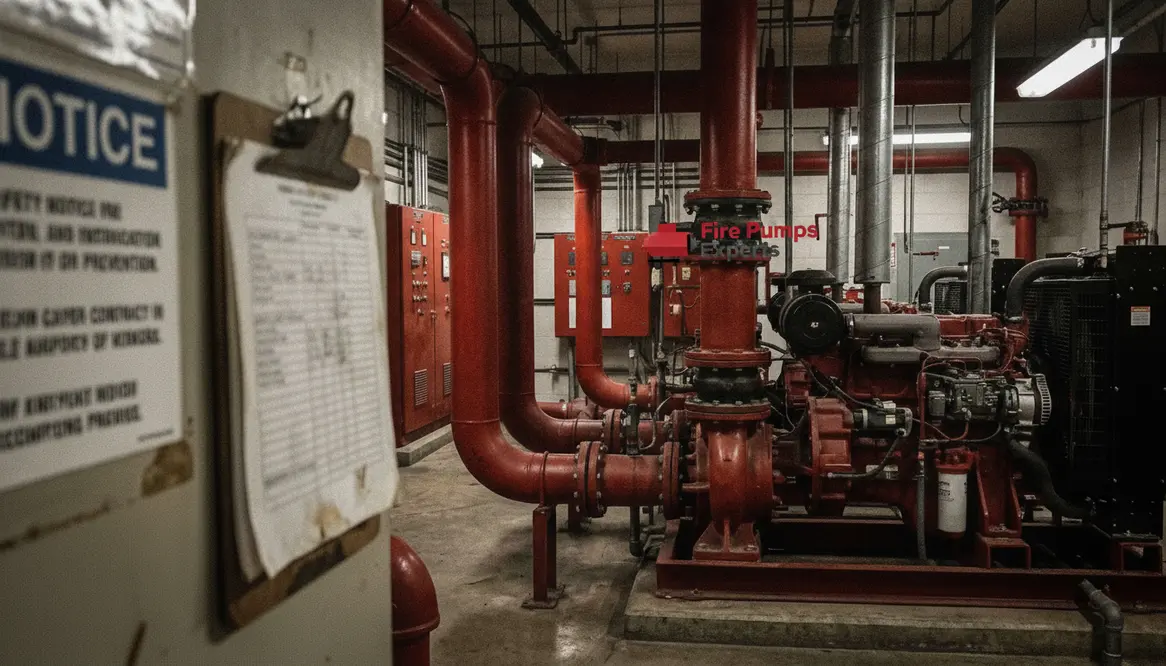
Australian Fire Pump Code Requirements Explained
I deal with fire protection rules every day, and I can tell you this: the fire pump code Australia is not the sort of thing you want “figure out later.” That path leads straight to headaches, failed inspections, and the kind of repair bill that makes a grown manager stare at the ceiling at 2 a.m. For commercial and industrial facilities, plus major property buildings, fire pumps play a serious role. They support sprinkler systems, hydrants, and hose reels when water pressure drops and seconds matter. So, if you run a warehouse, tower, plant, or large site, you need a clear grip on the rules before anyone starts the engine room drama.
In this guide, I break down the main Australian fire pump code requirements in plain language. I will keep it practical, because code books already sound like they were written by a committee trapped in a lift.
What the fire pump code Australia covers
The fire pump code Australia sets the standard for design, installation, performance, and ongoing care of fire pumps used in regulated buildings. In simple terms, it tells me what size the pump must be, how it should be connected, and how it must perform under load. It also shapes how the system responds when water supply from the main line falls short.
For most projects, I look at the National Construction Code, the relevant Australian Standards, and local authority rules. Together, they guide how the pump supports fire fighting systems in large sites. Just as important, the code does not exist for decoration. It exists because a weak pump during a fire is about as useful as a paper umbrella in a thunderstorm.
Design and installation, and the boring bits that keep you compliant
Design and installation
I make sure the pump suits the building’s fire load, risk level, and water demand. Then I confirm the room layout, access, ventilation, drainage, and fuel or power supply.
Testing and maintenance
I check that the pump starts correctly, reaches required pressure, and stays reliable. After that, I schedule inspections, tests, and service work so the system stays ready.
Compliance mindset
The fire pump code Australia is all about performance when it counts. If the system can’t deliver, paperwork won’t save the day.
How I check compliance for commercial sites
First, I confirm whether the building actually needs a fire pump. Not every site does, but commercial and industrial facilities often do because their systems need stronger pressure than the supply can give on its own. Next, I review the building type, height, occupancy, and water demand. Then I compare those needs against the approved standard.
After that, I look at pump type. Some sites use electric pumps, while others need diesel backup or a dual arrangement. That choice matters because reliability sits at the heart of compliance. I also check the controller, alarm signals, suction and discharge pipe work, valves, and battery or fuel support. If any one of those parts fails, the system becomes less dependable. And in fire protection, “less dependable” is a polite way of saying “not good enough.”
Key fire pump room and system rules
The pump room must stay accessible, dry, protected, and easy to service. I also want enough space for technicians to work without performing yoga poses around pipework. Good ventilation matters because engines and controllers need stable conditions. In addition, the room should resist fire spread and avoid flooding risks.
System rules also cover the supply side. I need a steady water source, proper tank size where required, safe pipe sizing, and correct pressure settings. Furthermore, the pump must start automatically when demand drops below the set point. That automatic start is not optional. Fire does not wait for someone to locate a switch while muttering, “Where did we leave that manual again?”
Maintenance and testing for fire pump compliance
I treat maintenance as part of the code, not an afterthought. A pump can look fine and still fail when called on. So I check it through regular tests, service logs, and performance reviews. The schedule must suit the site and meet the rule set that applies to the building.
Typically, I look at weekly or monthly running checks, flow tests, alarm checks, and battery or fuel inspections. I also review whether valves stay open, gauges read correctly, and any faults get fixed fast. Because when a fire pump sits ignored, small issues grow teeth.
Here is where many facilities slip: they install the system, then forget the follow up. That is a bit like buying a fire extinguisher and treating it like office art. It looks respectable until you need it. And if your fire pump code Australia responsibilities are treated like decoration, inspections tend to become a surprise party nobody wants to attend.
Where expert help fits in
I often recommend working with a fire protection specialist who understands large commercial and industrial systems. The right team can review design, verify compliance, and keep records in order. That matters because a correct install today can save a huge amount of time later.
If you want a deeper look at service support and system care, I suggest checking Kord Fire protection services for related guidance. Also, if you need a broader product and service reference, you can review los angeles fire pump solutions for additional context. In both cases, the real goal stays the same: keep major buildings protected, compliant, and ready, because meeting the fire pump code Australia standard is only half the story. The other half is keeping the system ready to perform when water pressure and time stop being your friends.
FAQ: fire pump code Australia
Conclusion
When I follow the fire pump code Australia properly, I protect people, property, and business continuity. That is the whole point. If you manage a commercial, industrial, or major property site, now is the time to review your pump system, test your records, and fix the weak spots before they become costly. Reach out to a fire protection expert, confirm your compliance, and keep your building ready for the moment that matters most.