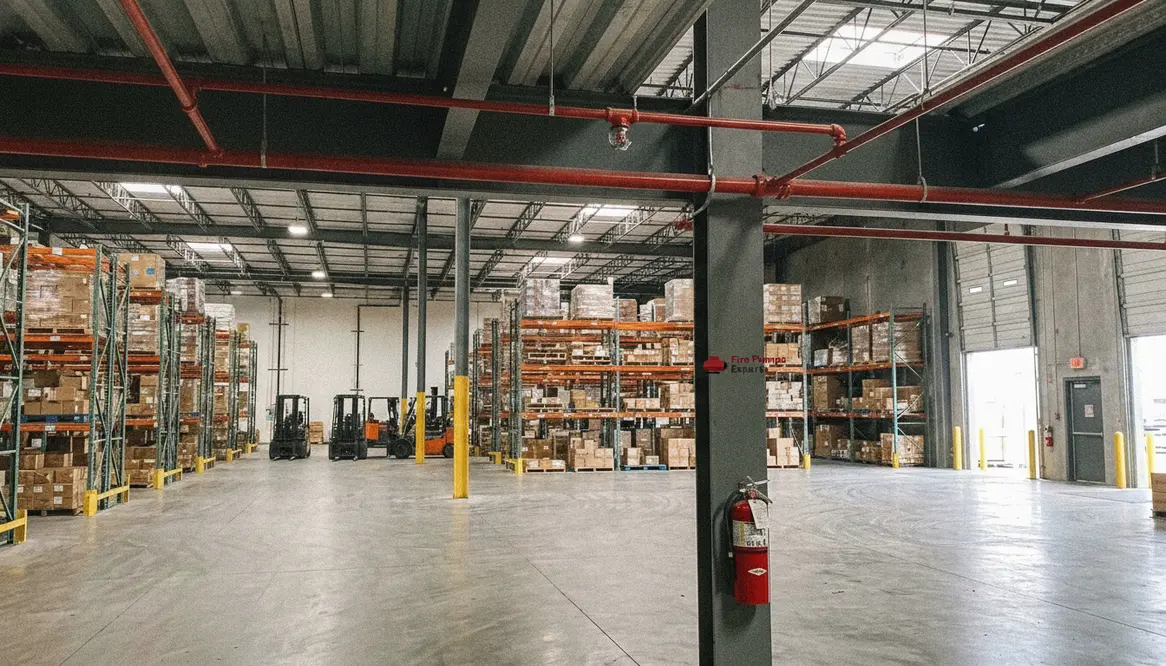
Fire Protection for Industrial Buildings
Why fire protection is the real backbone of industrial safety
When I walk through a busy plant or a massive warehouse, I never forget one thing: industrial fire protection systems are not a nice extra. They are the quiet guard standing watch while machines hum, forklifts roll, and production keeps moving. In a place where heat, fuel, wiring, and storage all live under one roof, fire can spread fast and ruin everything before anyone gets a second cup of coffee. So, I look at fire protection as part safety net, part business shield, and part common sense with a hard hat on.
In this article, I will break down what matters most, how these systems work, and why smart planning keeps industrial buildings safer, calmer, and far more resilient.
What industrial fire risk really looks like
Industrial buildings face a very different fire load than small offices or retail spaces. I often see heavy equipment, packed storage, electrical panels, fuel sources, and hot work all living close together. That mix raises the stakes. Also, dust, grease, and poor housekeeping can turn a small spark into a full scene from an action movie, minus the cool soundtrack.
Because of that, I start with a full risk review. I look at building use, materials stored, power demand, shift patterns, and access points for fire crews. Then I map where fire could start and where it would spread fastest. This step matters because a good plan does not guess. It matches the building, the work, and the people inside it.
How I choose the right industrial fire protection systems
I do not treat every site the same. Instead, I match protection to the actual hazard. For example, a warehouse with tall storage needs different coverage than a plant with electrical rooms and processing lines. That is why industrial fire protection systems should work as a team, not as solo acts chasing the spotlight.
Here is the core mix I look for:
- Fire alarms that detect trouble early and alert people fast
- Sprinkler systems that control heat and slow fire spread
- Fire pumps that keep water pressure strong when demand rises
- Special hazard suppression for areas with fuel, chemicals, or sensitive gear
- Emergency lighting and exits so people can move out safely
Just as important, I check that each part fits the site’s size and layout. A system that looks good on paper can fail in the field if it cannot keep up with the building. That is where planning and real testing earn their keep.
Why fire pumps and water supply matter so much
Water pressure sounds boring until the day you need it. Then it becomes the star of the show. In large industrial spaces, a basic water supply may not deliver enough pressure for sprinklers or standpipes. That is why fire pumps matter so much. They boost flow and help the system do its job when every second counts.
I also pay close attention to water storage, municipal supply, and pump maintenance. If one piece fails, the rest can struggle. For businesses that want a deeper look at pumping support, I recommend this industrial fire protection solutions resource as a useful reference. Also, for local buyers comparing pump options, this los angeles fire pump guide gives a practical starting point.
How I build a safer layout for staff and property
Protection works best when the building itself helps the system. So, I look at layout with a sharp eye. Clear aisles, labeled exits, locked chemical storage, and sensible separation between hot work and flammable goods all reduce risk. Moreover, good layout helps emergency crews move quickly, which can make a huge difference in a real fire.
Also, I never ignore training. Even the best system cannot help if staff panic like they just saw a plot twist in a season finale. So I push for drills, clear instructions, and regular walk throughs. Calm people respond faster, and faster response saves money, property, and lives.
Why maintenance keeps industrial fire protection systems ready
I have seen plenty of systems look fine on the wall and fail when called on. That is why maintenance is not optional. It keeps alarms, pumps, valves, detectors, and sprinklers ready for the moment they matter most. In fact, routine inspection catches small problems before they become expensive problems. And expensive problems, as we all know, never arrive alone.
I use a simple rhythm: inspect, test, repair, and document. That rhythm keeps the system honest. It also gives building owners proof that they took safety seriously. For industrial sites, that record can matter just as much as the hardware itself.
The part people forget: fire protection is a living process
A warehouse changes. A plant expands. Storage gets rearranged, machinery moves, electrical loads shift, and new processes show up like they were always there. Keeping industrial fire protection systems effective means staying current with those changes. Maintenance is how the plan stays aligned with reality, not just the original drawings.
FAQ
Conclusion
If I want a commercial or industrial facility to stay protected, I do not rely on hope. I build a real plan, choose the right systems, and keep them maintained. That is how industrial fire protection systems protect people, property, and daily operations. If you manage a warehouse, plant, or major property, now is the time to review your setup. Take action today, tighten the weak points, and make fire safety part of the building’s backbone.