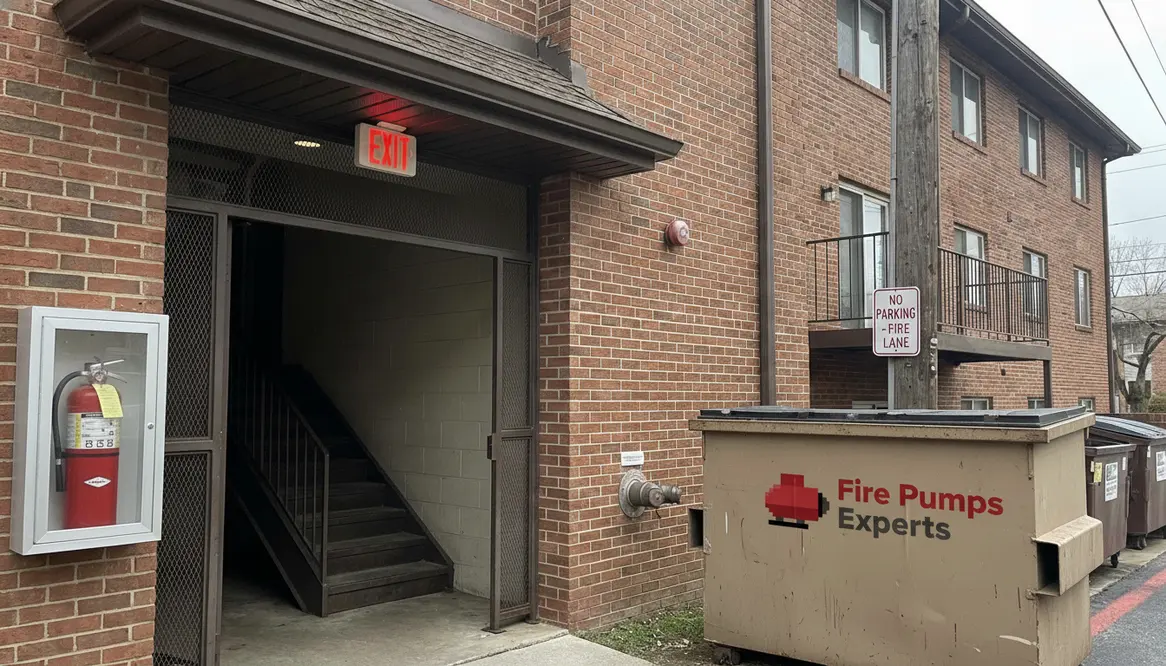
Fire Protection for Apartment Buildings
Fire Protection for Apartment Buildings is not the kind of subject I like to leave to chance. In my world, apartment fire protection is about keeping people safe, protecting property, and making sure one small spark does not turn into a building sized disaster. That matters even more when dozens, or even hundreds, of people sleep under one roof. So, while the topic may sound dry at first, I promise it has real teeth. And yes, I will keep it practical, clear, and a little human too. After all, safety should not read like a parking ticket written by a robot.
Why apartment buildings need a serious fire plan
Apartment buildings face a different kind of risk than single family homes. First, they hold many people in one place. Next, they often have shared halls, parking areas, stairwells, laundry rooms, and storage spaces that can help fire spread fast. Smoke also moves quickly through ducts, doors, and openings, which is why apartment fire protection must cover more than a few alarms on the wall.
I always look at three things first: how fire starts, how it spreads, and how people get out. A kitchen fire in one unit can turn into a hallway problem in minutes. Then, if doors do not close well or exits are blocked, the whole building feels the heat, and not in a good way. Good protection lowers that risk before it turns into a headline nobody wants.
Property owners also have a duty to protect tenants, reduce legal risk, and meet local code rules. So, fire planning is not just a safety task. It is also a smart business move. Because, let us be honest, replacing drywall is expensive, but rebuilding trust after a fire costs even more.
What systems should I install?
The right setup depends on the size and layout of the building, but I always start with the core systems. These are the backbone of apartment fire protection, and each one plays a clear role.
Smoke alarms warn people early. Every unit needs working alarms, and common areas need coverage too. Sprinkler systems help control fire before it spreads. Fire doors slow flames and smoke, while emergency lights guide people out when power fails. Fire extinguishers give staff and trained residents a first response tool when a fire stays small.
Also, I always push for inspection and testing schedules. A fire system is only useful when it works on the day it matters. That sounds obvious, but plenty of buildings still treat maintenance like a side quest. Spoiler alert: fire does not wait for a convenient calendar reminder.
Daily habits matter
Keep hallways, stairs, and utility rooms clear. Check exit doors open smoothly and close on their own.
Cooking is the usual suspect
Stay close to the stove. Simple house rules beat “I forgot” every time.
Maintenance keeps it real
Alarms need testing, sprinkler components need checks, and fire doors need to work.
How can I reduce fire risk every day?
Daily habits do a lot of the heavy lifting. For example, I tell property teams to keep hallways, stairs, and utility rooms clear at all times. Then I remind them to check that exit doors open smoothly and close on their own. That one detail matters more than most people think.
Cooking also causes many apartment fires, so I always tell residents to stay close to the stove. A quick text can wait. A pan of oil, on the other hand, has the attention span of a villain in a bad action movie. Heating equipment, overloaded outlets, and unsafe charging setups can also create risk, so simple house rules help a lot.
Here is where strong apartment fire protection meets smart management. Staff should log repairs fast, fix broken alarms right away, and report blocked exits without delay. Moreover, owners should train residents on what to do if they hear an alarm. Clear steps beat panic every time.
| Area | What I check |
|---|---|
| Units | Alarms, cooking safety, outlet load |
| Halls | Clear paths, exit signs, door closure |
| Common rooms | Extinguishers, wiring, storage control |
| Roof and plant areas | Access, heat sources, service equipment |
How do I make an evacuation plan work?
An evacuation plan only works when people can understand it fast. So, I keep it simple. First, map every exit. Next, show at least two ways out where possible. Then, post the plan in common areas and give copies to staff. If people cannot find the route in a calm moment, they will not find it during chaos.
Drills matter too. They help residents learn the sound of alarms, the best exit path, and where to meet after leaving. Also, staff should know who helps elderly residents, children, or people with limited mobility. Good planning treats those details as essential, not optional.
For larger or more complex buildings, I often recommend reviewing a trusted commercial fire safety reference to compare system needs and maintenance best practice. In bigger properties, the same logic applies: match the plan to the building, not the other way around. A one size fits all approach may work for socks, but not for life safety.
Why system maintenance keeps apartment fire protection strong
Even the best setup fades if no one maintains it. That is why I treat inspections as part of the protection plan, not an extra chore. Sprinkler heads need checks, alarm batteries need testing, and fire doors need to stay in working shape. In addition, worn parts should get replaced before they fail.
I also advise owners to track every service visit. That paper trail helps prove compliance and shows a clear pattern of care. If a problem comes up, good records can save time and stress. For major properties that need stronger water supply support, I also suggest reviewing the los angeles fire pump guide for system planning ideas that support larger building protection needs.
A quick checklist to keep things moving
Test alarms on schedule. Replace batteries before they fail.
Check fire doors for proper closure and unobstructed paths.
Log repairs quickly so apartment fire protection stays consistent.
FAQ
Conclusion
If I want a building to stay safe, I do not wait for smoke to teach the lesson. I build a plan, test it, and keep it honest. Strong apartment fire protection protects lives, limits damage, and keeps a property ready for the worst day it may face. If you want help improving your building’s fire safety setup, I suggest acting now, reviewing your current systems, and speaking with a qualified fire protection team before small issues turn into big ones.