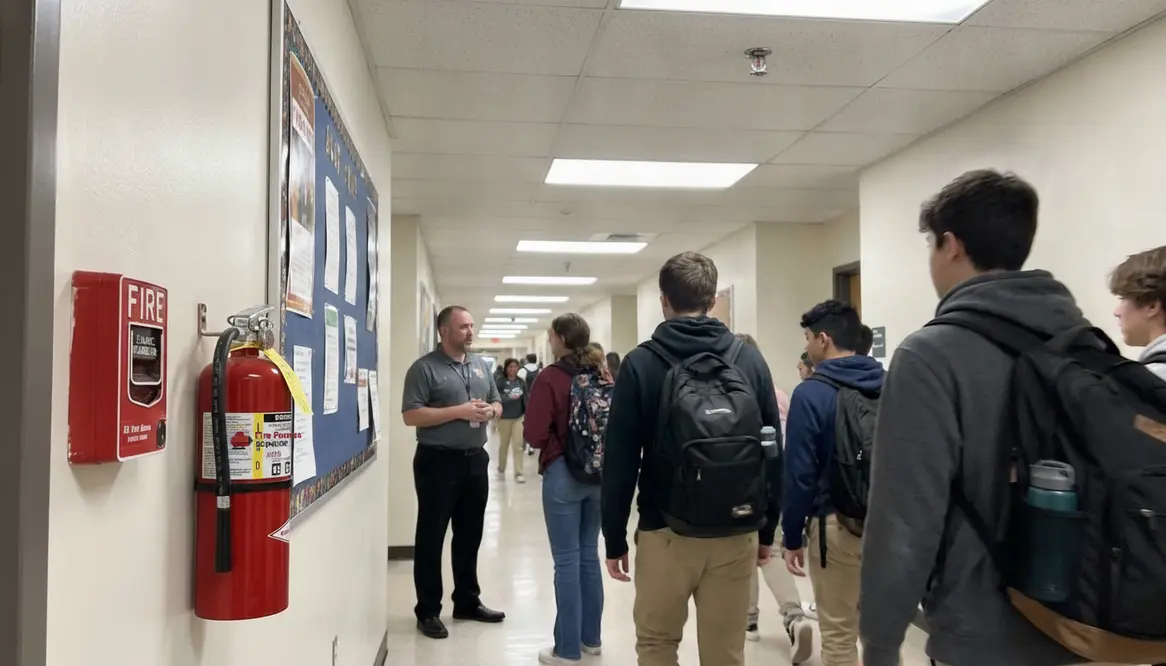
Fire Protection for Schools and Education Facilities
I take school fire safety seriously, because a campus is not just a building. It is a place full of children, teachers, staff, and moving parts that never seem to slow down. That is why school fire protection systems matter from the first bell to the last. They help protect lives, limit damage, and keep a campus ready when an emergency hits. And yes, nobody wants a fire drill to feel like a live episode of chaos with backpacks flying everywhere, so a clear plan matters.
In schools, fire risks can come from kitchens, science labs, electrical rooms, older wiring, and crowded halls. So I look at fire safety as a full system, not a single device on a wall. When I plan for education facilities, I focus on early warning, fast response, and simple steps that people can follow under stress. Calm planning saves more than time. It saves the day.
What I focus on first in school fire safety planning
I always begin with risk review. Every school has different needs, so one size never fits all. A primary school, a college dorm, and a trade campus all need different layers of protection. For that reason, I check where fires could start, how people would leave the building, and whether staff can respond fast enough before small trouble becomes a big headline.
A practical view of how the building behaves
Next, I look at how the building works in real life. Doors must open the right way, exits must stay clear, alarms must reach every room, and systems must work during power loss. I also pay close attention to high traffic areas. Cafeterias, labs, libraries, and storage rooms often need extra care because they carry more heat, more equipment, or more paper than anyone would like to admit. Paper looks innocent, but it has a dramatic side.
To keep things practical, I use a simple two part view:
Risk areas
- Kitchens and food prep rooms
- Science labs and workshop spaces
- Electrical and server rooms
- Storage areas with boxes, books, or supplies
Response needs
- Clear exit paths
- Audible and visible alarms
- Fast staff action steps
- Regular checks and tests
How school fire protection systems work together
When I talk about school fire protection systems, I mean more than smoke alarms. I mean a connected setup that helps people find danger early and leave safely. First, smoke and heat detectors spot trouble. Then alarms alert people across the building. After that, sprinklers or other suppression tools help control the fire while people exit. That chain matters, because every minute counts.
In larger education sites, I also think about water supply and pump support. If the system cannot move water well, then everything else loses strength. That is why many commercial and major property buildings need strong pump support and tested water flow. For a deeper look at this side of fire safety, I often point people to Kord Fire protection solutions as a useful reference for system planning and service support.
Why staff training makes the biggest difference
Even the best hardware will not save the day if no one knows what to do. So I treat staff training as a core part of fire protection, not an extra. Teachers, admin teams, kitchen staff, and maintenance crews all need clear roles. When an alarm sounds, people should not freeze like extras in a disaster movie.
I always recommend short, regular sessions. They work better than one long lecture that everyone forgets by lunch. Staff should know how to guide students, who checks restrooms, who handles mobility needs, and who contacts emergency services. In addition, drills should reflect real conditions. That means testing daytime traffic, locked rooms, special needs support, and evacuation timing.
Why maintenance and testing keep everything ready
Fire safety only works when it stays ready. That sounds simple, yet many facilities overlook routine testing until something fails. I check alarms, detectors, sprinklers, emergency lights, fire doors, and pump systems on a set schedule. I also make sure records stay current, because a paper trail helps prove compliance and spot weak points before they grow into real problems.
Regular service also catches slow issues like low pressure, blocked heads, worn batteries, and damaged wiring. These problems may seem small, but small problems love to become expensive problems. I have seen that story before, and it never ends with a happy soundtrack.
What strong systems mean for schools and major education properties
For larger campuses, fire protection must match scale. A small setup in a huge facility will not cut it. That is why commercial education sites often need water supply review, pump support, and system checks that fit the size of the building. If a school has multiple blocks, shared halls, or large common areas, then I build protection around how people actually move through the space. It is the real reason school fire protection systems must be designed for the way students and staff travel, not just for a blueprint.
In big properties, I also look at future growth. New labs, added classrooms, and changed layouts can shift fire risk over time. So I treat fire planning as a living process, not a one time job. That mindset keeps the system useful as the campus changes, and it keeps school fire protection systems aligned with how the education facility runs today.
FAQ
Conclusion
If I want a school to stay safe, I do not wait for an emergency to test the plan. I build strong fire protection, train the people inside, and keep every system ready through routine checks. If you manage a school or a major education property, now is the time to review your setup and act. I recommend speaking with a fire safety specialist, checking your current coverage, and upgrading where needed before a small risk turns into a big problem.