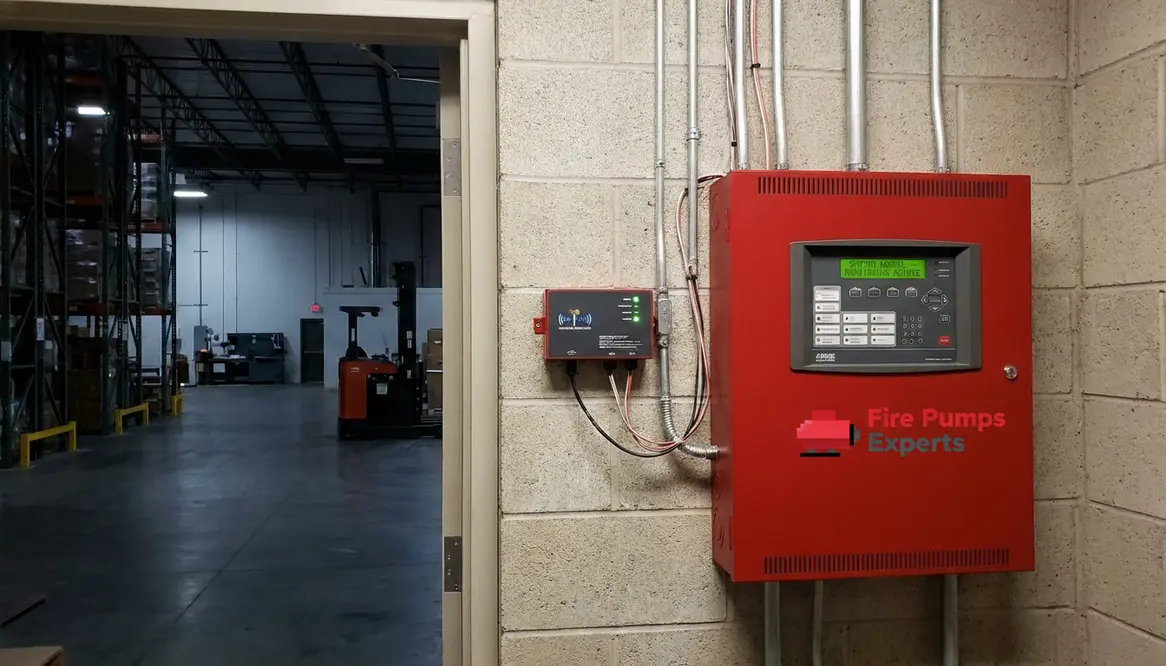
Fire Alarm Monitoring Explained
When a building catches trouble early, people get time. That is the whole game. In my world, fire alarm monitoring gives commercial and industrial facilities a direct line to help the moment smoke, heat, or a panel fault shows up. It keeps watch when no one is in the room, and that matters more than most people think. After all, fires do not wait for a convenient meeting slot. They show up like a bad sequel, usually at the worst possible time.
So, let me walk you through how it works, why it matters, and what it can do for major properties. I will keep it plain, useful, and calm, because safety should never feel like a maze.
How Fire Alarm Monitoring Works
At its core, a monitored fire alarm system sends signals from your fire panel to a central station. When a detector trips, a pull station gets used, or the system sees a fault, the signal leaves the building fast. Then trained operators review the alert and follow a set response plan. That response often includes calling the fire department, notifying listed contacts, and recording the event.
This process matters because every minute counts. A local alarm can only make noise inside the property. However, monitoring pushes the alert beyond the walls. That means help can move even when the building sits empty, the night shift has gone home, or the office cat has done absolutely nothing useful.
Why Commercial and Industrial Sites Need It
Large buildings face bigger risks. A warehouse, plant, medical facility, or office tower can hold people, machines, stock, and critical data in one place. If fire starts in one corner, it can spread fast and cost a lot. That is why monitored protection fits these sites so well.
Also, these properties often run around the clock or store high value items. A silent fault in a panel can leave the whole site exposed. Fire alarm monitoring helps close that gap. It also supports code needs, insurance goals, and site response plans. In simple terms, it helps the people in charge sleep a little better. Not like a lullaby from a billionaire yacht, but close enough.
What I Look For in a Strong Monitoring Setup
I always look for a setup that does more than just “beep loudly and hope for the best.” A strong system should report alarms, troubles, and supervisory signals without delay. It should also use reliable phone, cellular, or internet paths, with backup where possible. That way, one broken path does not turn into a full system drama.
Here is what I want to see:
Signal Quality
Clear transmission from the fire panel to the central station.
Fast Response
Operators who act right away and follow the right steps.
Backup Paths
More than one way to send alerts if a line fails.
Maintenance Support
Regular testing so the system stays ready.
Site Fit
Coverage that matches the size and risk of the property.
Of course, a monitoring plan should also fit the building’s use. A logistics warehouse does not need the same layout as a high rise, and that is where solid planning earns its keep.
How I Connect Monitoring With Fire Pump Protection
In larger facilities, fire protection often works as a team. The alarm system warns people and sends alerts, while pumps help push water through the sprinkler system when pressure drops. If the water supply fails, the pump becomes a key part of the response. That is why I like to pair monitored alarms with reliable pump systems for major commercial and industrial sites.
For facilities looking at water delivery and pressure support, I suggest reviewing this los angeles fire pump solutions. It helps build a stronger overall protection plan for large properties that need dependable performance under stress.
And if you want to see more about integrated fire protection support, I also recommend this fire protection resources from Kord Fire. It is a solid place to start when you want practical guidance for bigger sites.
What Business Owners Should Ask Before They Buy
Before I choose a monitoring service, I ask a few direct questions. Who watches the signals? How fast do they respond? What happens during a power loss or phone outage? Do they track alarm, trouble, and supervisory states? These are not fancy questions, but they keep people safe.
Also, I check how the provider handles testing and service. If a system fails to report during a drill, I want to know before an actual emergency turns into a full disaster episode. Think of it like a stunt double for your building. If the double trips, the star should not find out during opening night.
FAQ
Final Thoughts
If you manage a commercial or industrial property, I would not leave fire protection to chance. Fire alarm monitoring gives you faster alerts, better response, and real peace of mind when the building is quiet. So, take a hard look at your current setup, review your response plan, and make sure every signal has a path to help. If you want stronger protection for your site, now is the time to act and build a system that is ready when it counts.