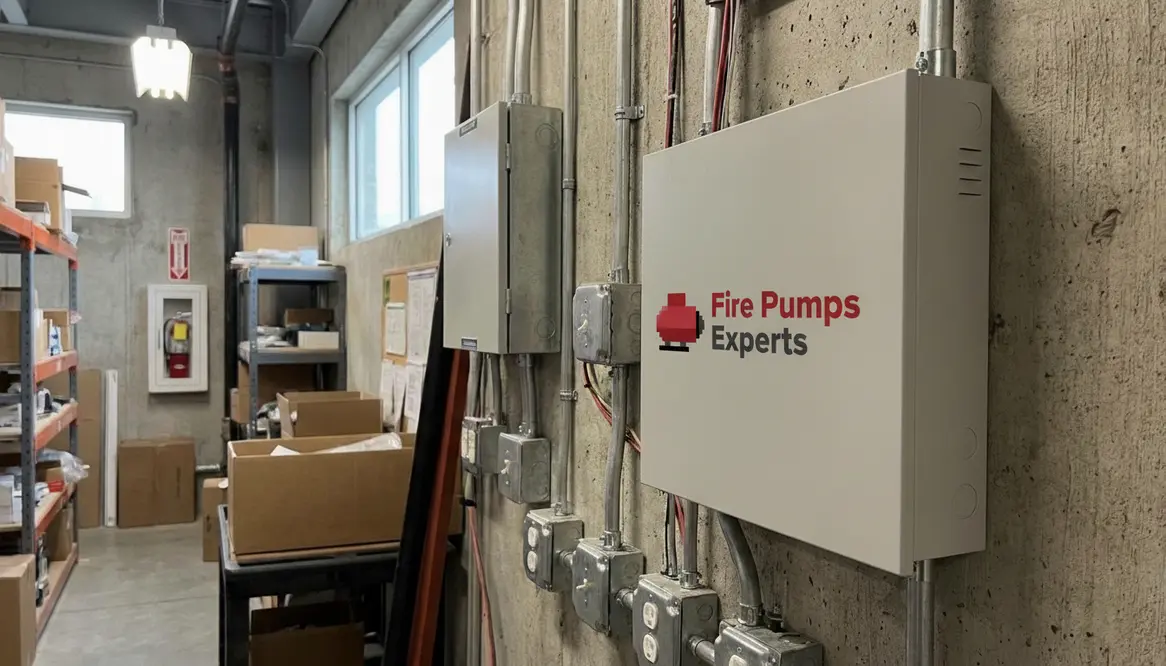
Fire Alarm Panel: Building Safety Control Center
When I look at a fire alarm panel, I see the quiet brain of a building. It watches, listens, and reacts when danger shows up uninvited. In a busy commercial site or a large industrial property, that matters more than most people realize. One small delay can turn a minor issue into a full blown problem, and nobody wants that kind of surprise on a Monday morning. So, in this guide, I will break down how the panel works, what it tells you, and why it sits at the center of a strong fire safety plan.
For businesses, this is not just a box on the wall with blinking lights. It is a command center. It connects detectors, alarms, sprinklers, and alerts into one system that helps people act fast. And yes, it can look a little like something out of a sci fi movie, only with less drama and far more responsibility.
What a fire alarm panel does
The panel monitors signals from smoke detectors, heat detectors, pull stations, and other devices. When one of those devices sends a warning, the panel processes it and decides what happens next. It may sound alarms, flash strobes, notify the monitoring center, or trigger linked safety systems.
In simple terms, I like to think of it as the building’s alert coordinator. It does not just scream “fire” and run away. Instead, it checks the source, marks the zone, and helps staff and emergency crews respond with more speed and less guesswork. That level of control matters in commercial and industrial spaces, where a wrong move can cost time, money, and peace of mind.
How the system talks to your building
A modern fire alarm control unit uses circuits and addressable devices to track what is happening across a property. Older systems often work in zones, which means the panel tells you where the issue is in a broader area. Newer addressable systems go further. They can identify the exact device that sent the signal, which makes troubleshooting far easier.
That difference sounds small, but it is a big deal. If you manage a warehouse, plant, office tower, or other large property, precise alerts can save valuable time. For example, if a detector near a loading dock sends a fault or alarm, the panel can pinpoint that location instead of making everyone play detective. Nobody needs a mystery plot during a fire event. We have enough of those on streaming services.
What I check when a panel needs attention
When I review a system, I look at three things first: status, history, and communication. Status shows whether the panel sees a fault, alarm, or trouble condition. History shows what happened before, which helps with service calls and pattern checks. Communication confirms the panel can send alerts to the right people and systems.
Panel area
Power supply, backup batteries, display screen, keypad, and notification circuits
Why it matters
These parts keep the system running during outages and make sure alerts still reach people when the main power goes down
Because of that, I always treat battery health as a serious item. A panel without backup power is like Batman without the suit. Still important, but not ready for action.
Fire alarm panel installation and upkeep
Proper setup starts with the right design for the building. A fire alarm panel must match the property size, layout, and risk level. For a commercial or industrial site, that often means planning for multiple floors, equipment areas, storage rooms, and long cable runs. If the system does not fit the building, it will not protect the building well.
After installation, regular testing keeps it reliable. I recommend checking device communication, alarm output, battery condition, and monitoring links on a schedule. In addition, any change in layout, tenant use, or equipment should trigger a system review. Buildings evolve, and the panel needs to keep up.
For property owners who want a broader safety setup, I also suggest looking at trusted resources like Kord Fire safety solutions for system support and planning insight. A well built fire strategy works best when the parts connect cleanly.
Where fire protection links beyond alarms
A panel rarely works alone. In many large facilities, it connects with sprinklers, smoke control, emergency lighting, lift recall, and suppression gear. That is why it helps to think of fire safety as a team sport. The panel calls the play, but the other systems must show up and do their job.
For commercial and industrial properties that need water based suppression support, I also advise checking the Los Angeles fire pump service. Strong water delivery matters when a building depends on reliable pressure for fire response. If the fire alarm panel is the brain, then the pump is one of the muscles. No gym talk required, but the comparison works.
FAQ
Quick answers
If you are trying to understand what a fire alarm panel does day to day, these are the core questions property teams ask first.
Built for action
The goal is simple: early warning, clear device info, and coordinated responses when it matters most.
Conclusion
If I were managing a commercial or industrial property, I would not treat the fire alarm panel like background noise. I would treat it like one of the most important parts of the building. It gives early warning, guides response, and ties the whole safety system together. So, if your fire alarm panel needs review, testing, or a better plan, now is the time to act and make sure your property stays ready.