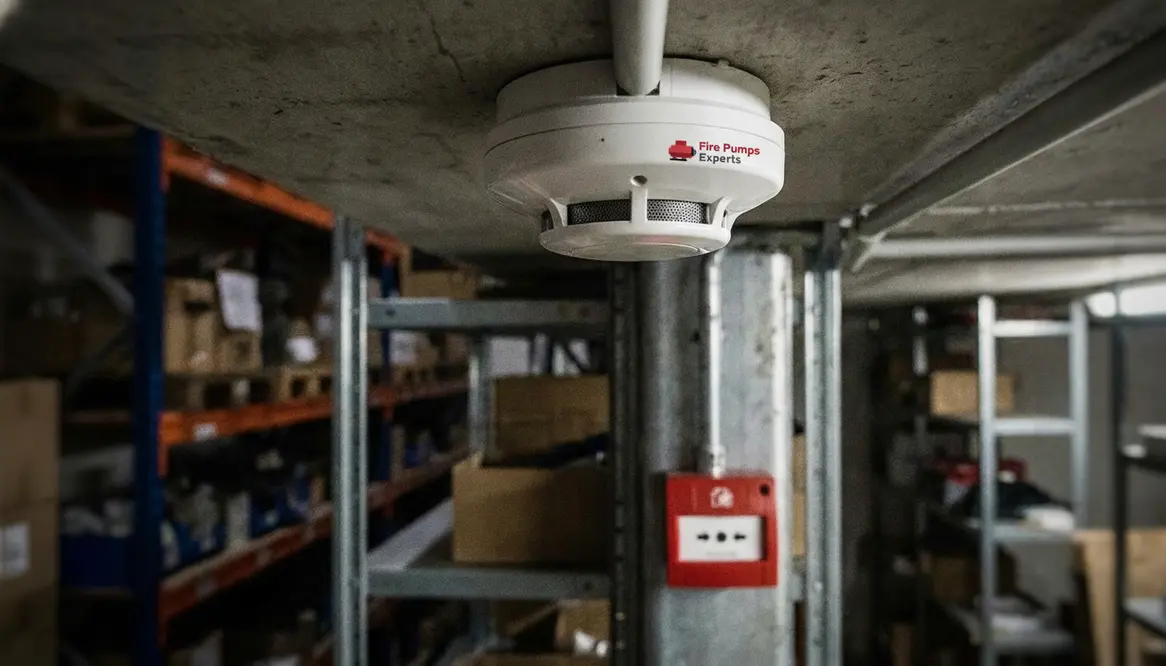
Fire Detection Systems for Large Industrial Facilities
Fire Detection Systems Explained
When I talk about safety in a commercial or industrial building, I always start with the fire detection system. It is the quiet guard in the background, the one that notices trouble before most people even smell smoke. In a busy warehouse, plant, or major property building, that early warning can save lives, protect equipment, and keep operations from turning into a bad scene worthy of a disaster movie. And yes, nobody wants their Monday meeting interrupted by sirens and a fire truck cameo.
In this article, I will walk through how these systems work, what parts they use, and why they matter so much for large properties. I will keep it practical, clear, and business casual, because safety should feel solid, not like a textbook trying too hard.
How a fire detection system works
A fire detection system watches for signs that a fire may be starting. It does not wait for flames to take over the place like a bad action sequel. Instead, it reacts to smoke, heat, flames, or gas, depending on the design.
The system usually follows a simple path. First, a detector senses a problem. Then, the control panel receives the signal. After that, alarms sound, alerts go out, and staff can move fast. Because of that chain, every second matters.
In large commercial and industrial sites, I often see systems linked to other safety tools too. For example, they may connect to sprinkler controls, emergency lighting, and monitoring services. As a result, the response becomes faster and more organized.
The main parts I look for
When I review a fire detection system, I focus on the core parts that do the real work. Each one has a role, and when they work together, the building gets a stronger safety net.
Detection devices
These include smoke detectors, heat detectors, flame detectors, and gas sensors. Smoke detectors react to particles in the air. Heat detectors respond when temperature rises past a set point. Flame detectors spot fire light. Gas sensors help where fuel vapors or other risks exist.
Control panel
This is the brain of the system. It receives signals, checks them, and decides what happens next. If the panel fails, the whole setup gets shaky, like a band with a great drummer but no lead singer.
Alarm and alert devices
These include sirens, strobes, voice alerts, and monitoring links. They warn people inside the building and may also notify emergency services or site managers.
Power supply and backup
A solid system needs reliable power. Therefore, it usually includes backup batteries or other support so it keeps working during outages.
Choosing the right fire detection setup
Not every property needs the same setup. In fact, a food plant, data center, and distribution warehouse each bring different risks. That is why I always recommend a site specific review before choosing equipment.
First, look at the building use. Then, think about how people move through the space, what materials are stored there, and where the highest risks sit. For example, dusty areas may need different detectors than clean office zones. Likewise, high ceilings can affect how smoke rises and how detectors respond.
For commercial and industrial facilities, I also pay close attention to code needs and long term maintenance. A system that looks impressive on day one but fails inspection later is about as useful as a superhero with no powers.
Why regular testing and maintenance matter
A fire detection system only protects a property when it works as planned. That sounds obvious, but I have seen too many buildings treat testing like optional homework. It is not optional.
Testing finds weak spots early. Maintenance clears dust, checks wiring, confirms battery life, and makes sure alarms still respond the way they should. In addition, routine service helps cut false alarms. And false alarms do more than annoy people. They disrupt work, waste time, and can make staff ignore real warnings later.
For major properties, I suggest setting a clear service schedule and keeping records. That simple habit helps support compliance and makes inspections easier. If you want a broader look at fire safety solutions for large sites, I also recommend reviewing the commercial fire safety services at Kord Fire.
Fire detection system and related protection
Here is where the bigger picture matters. A fire detection system does not stand alone. It works best when it supports other protection measures, especially in commercial and industrial settings.
What it does, why it matters
What it does
|
Why it matters
|
In many large facilities, I also look at water based fire systems, suppression equipment, and pump support. If your site needs stronger water delivery for protection, this los angeles fire pump solution can play an important role in the overall safety plan.
FAQ
Conclusion
If I had to sum it up, I would say this: a fire detection system gives a building its first real voice when danger starts to rise. For commercial and industrial properties, that early warning can protect people, reduce loss, and keep business moving. If you manage a major site, now is the time to review your setup, tighten your testing plan, and make sure every part works as it should. Safety is not flashy, but it is priceless. Let’s make your building ready.