Addressable vs Conventional Fire Alarm Which to Choose
When I look at addressable vs conventional fire alarm systems, I see two very different ways of protecting a building, and both can do the job when used in the right place. One gives you a simple, zone based setup. The other gives you pin point detail, almost like each device has its own voice in the room. That difference matters more than most people think, because in fire protection, time is not a luxury. It is the whole game.
So, if you manage a commercial site, an industrial facility, or a major property, the right choice can shape response time, maintenance cost, and overall safety. And yes, nobody wakes up thrilled to compare alarm panels, but here we are. Let us make it useful.
What an addressable fire alarm system does
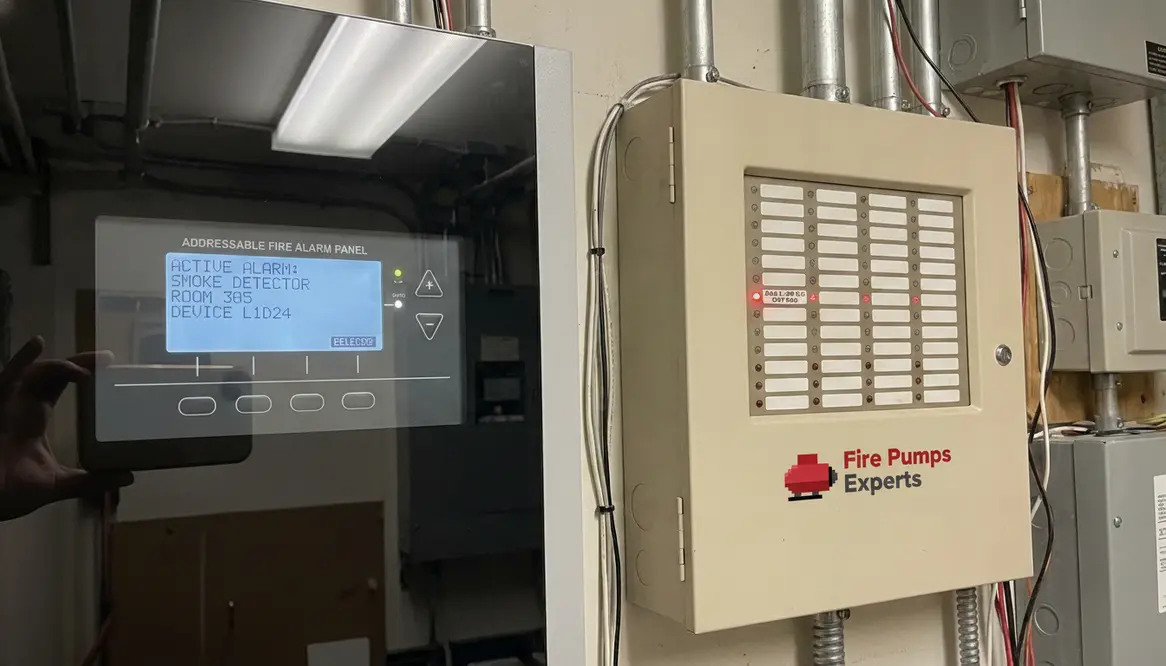
An addressable system assigns a unique identity to each detector, pull station, or module. As a result, when a device activates, the panel tells me exactly which unit triggered the alarm. That means I do not just know there is a problem on Floor 3. I know which device on Floor 3 needs attention. In a large site, that detail feels a lot like having GPS instead of a paper map from 1998.
Because the system shows exact device information, teams can respond faster and isolate faults with less guesswork. Also, the setup often supports more advanced monitoring, which makes it a strong fit for larger buildings, complex layouts, and operations that cannot afford delays.
What a conventional fire alarm system does
A conventional system groups devices into zones. When an alarm sounds, the panel shows the zone, not the exact device. That gives me a broad location, which works fine for smaller or simpler buildings. However, it does not give the same level of detail as an addressable setup.
Still, conventional systems remain practical. They cost less upfront, and they are often easier to understand. So, if a building has a straightforward layout and limited risk, this option can make sense. In other words, not every site needs the Batcave. Some just need a solid front door and a loud siren.
How I compare addressable vs conventional fire alarm
When I compare these two systems, I focus on three things: building size, response needs, and long term upkeep. Addressable systems shine in complex spaces because they narrow down alarm locations fast. Conventional systems work well when the building is smaller and the layout is easy to read.
Here is a simple way to think about it:
Addressable system
Shows the exact device
Fits large or complex buildings
Helps with fast fault finding
Usually costs more upfront
Supports better detail for maintenance
Conventional system
Shows the zone only
Fits smaller or simpler buildings
Offers basic alarm location
Usually costs less upfront
Keeps setup simple
That said, price alone should not drive the decision. A cheaper system that slows response can become an expensive mistake. And in fire protection, “we saved money” sounds less impressive after the fact.
Which system fits commercial and industrial sites
For commercial towers, warehouses, plants, and major property buildings, I usually lean toward addressable systems because they handle scale better. They also help maintenance teams find issues faster, which matters when a site cannot afford long shutdowns or blind spots. Industrial buildings often have more equipment, more zones, and more risk factors, so the extra detail pays off.
Meanwhile, conventional systems may still suit smaller commercial spaces, simple office buildings, or areas with fewer devices. However, I would not recommend forcing a basic system into a complex site just because the budget looks friendly today. Budget decisions should not play hero and then vanish when smoke shows up.
Why maintenance and testing change the answer
Maintenance shapes the real value of any fire alarm system. With addressable systems, I can often locate device faults faster, which saves time during service visits. As a result, teams can keep the system in better shape with less disruption. That matters a lot for businesses that stay open long hours or run critical operations.
Conventional systems need zone level checks, which can take more time when trouble appears. Therefore, testing and troubleshooting may become more labor heavy as the building grows. If your site expects frequent changes, fit outs, or tenant moves, addressable technology usually gives you more flexibility.
Where Kord Fire fits into the picture
If I want a clear look at building fire protection options, I would start with a trusted industry source like Kord Fire fire protection solutions. It helps to review real service options alongside the system type so the final choice matches the building, not just the brochure.
For larger facilities that also need water based fire protection support, I would also look at los angeles fire pump solutions for commercial and industrial facilities. That matters because alarm systems and suppression systems should work together, not like strangers at the same family reunion.
FAQ
Conclusion
If I had to give one clear answer, I would say this: choose the system that fits your building today and your risk tomorrow. Addressable systems give more detail, faster response, and better control for larger sites, which is exactly why so many addressable vs conventional fire alarm evaluations land there. Conventional systems still serve smaller buildings well. So, if you manage a commercial or industrial property, take the next step now. Review your layout, compare your needs, and speak with a fire protection expert before the next alarm makes the decision for you.