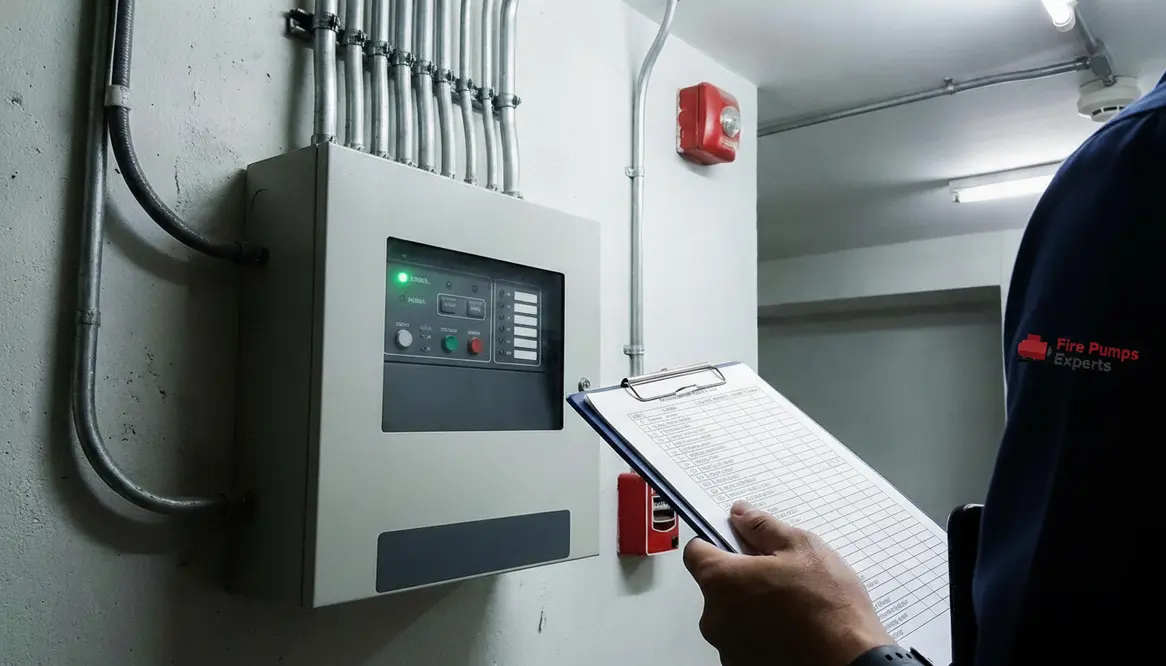
Fire Alarm Maintenance: Inspection, Testing, Documentation
I take fire alarm maintenance seriously because a silent system can turn a small problem into a big one fast. And yes, that includes the kind of “nothing to see here” silence that makes every building owner sweat. In commercial and industrial facilities, especially major properties, a working alarm system is not a nice extra. It is a core layer of safety, compliance, and peace of mind. So, I keep this guide focused on what matters most: how to inspect, test, clean, and document your system so it stays ready when it counts.
When I look at a fire alarm system, I do not see wires and boxes. I see time. I see the extra seconds people get to move, respond, and survive. That is why regular care matters. A well kept system can help reduce false alarms, cut repair costs, and keep your building running with fewer surprises. Nobody wants a fire drill that turns into an office-wide episode of “guess what blinked this time.”
Why I treat inspections like a routine, not an afterthought
I start with the basics: visual checks, device testing, and a clear log of what I find. Each month, I look at control panels, pull stations, strobes, and smoke detectors. I also check for dust, loose parts, low batteries, and damage from work crews or weather. In large buildings, even one missed detector can leave a gap in protection.
Moreover, I make sure the alarm panel shows normal status before I leave the site. If I see trouble lights, I do not ignore them. I treat them like a check engine light, except the stakes are much less funny. I also confirm that any trouble signals are traced to the right circuit or device, because guesswork is not a safety plan.
How I test the system without wasting time
Testing should be simple, direct, and well scheduled. I test the alarm sounders, visual alerts, and signal transmission to the monitoring center. I also verify that the system sends the right response when a device activates. If the alarm does not reach the right people, then the rest does not matter much.
For commercial and industrial properties, I pay close attention to special areas such as loading docks, mechanical rooms, server rooms, and storage zones. These spaces often collect dust, heat, or vibration, and those conditions can affect device life. So, I check them more closely than a quiet hallway where even the copier seems afraid to break the silence.
What I check during routine care
Inside the system
- Control panel status and display messages
- Backup batteries and charging condition
- Detector cleanliness and placement
- Pull stations and notification devices
- Wiring, labels, and visible damage
On the building side
- Blocked devices or signs hiding equipment
- Door closers and fire doors working as they should
- Changes from construction or tenant fit outs
- Access to panels and control equipment
- Recent false alarms or repeated trouble signals
This kind of review helps me spot small issues before they become expensive ones. It also helps me keep the system aligned with the building’s current layout, because buildings change faster than people expect. One new wall, one moved cabinet, and suddenly a detector is not where it should be. Life comes at you fast.
How I keep records that actually help
Good documentation does more than satisfy a checklist. It gives me a full picture of the system over time. I record test results, service dates, parts replaced, and any defects I find. Then I use that history to spot patterns. If one zone keeps failing, I know to look deeper instead of just resetting it and hoping for the best. Hope is great in movies. In compliance work, not so much.
When a building has multiple tenants or departments, records also help everyone stay aligned. Facility teams can see what was done, what still needs action, and what needs a follow up visit. That saves time and reduces confusion, which is always welcome in a busy property.
When I call in deeper service and upgrades
Some problems need more than routine checks. If I see repeated faults, old devices, battery issues, or panel failures, I treat that as a sign to plan deeper service. Older systems may still work, but they may not work well enough for a modern facility. In that case, I review replacement options and make sure the system fits the building’s size, use, and risk level.
I also look at related fire protection equipment when needed. For larger commercial and industrial properties, systems often work together, so I check that alarms, monitoring, and water based protection stay in sync. For a useful reference, I often point teams to Kord Fire Protection solutions when they need a broader view of building fire safety planning.
Why fire pump support matters for large facilities
In major properties, alarm performance and water supply support go hand in hand. If a site uses a fire pump, I want that equipment maintained with the same care as the alarm system. A weak pump can affect the whole response, especially in taller buildings, warehouses, and industrial sites. For local SEO and practical service planning, I also recommend reviewing los angeles fire pump service if your property depends on high demand fire protection equipment.
In other words, I do not isolate one system and ignore the rest. Fire safety works best when every part gets attention, from the alarm panel to the pump room. It is a team effort, and yes, even the unglamorous equipment deserves a little respect.
Fire alarm maintenance, in plain terms
Think of fire alarm maintenance as three habits that stack up over time: inspect what you can see, test what you cannot assume, and document what you do not want to forget. When all three stay consistent, false alarms tend to drop, response times stay reliable, and compliance becomes a calm conversation instead of a last minute scramble.
And yes, fire alarm maintenance includes the unsexy parts: dust control, panel status checks, battery health, and confirming signals reach the monitoring center. Those details are the difference between “everything looks fine” and “everything works when it matters.”