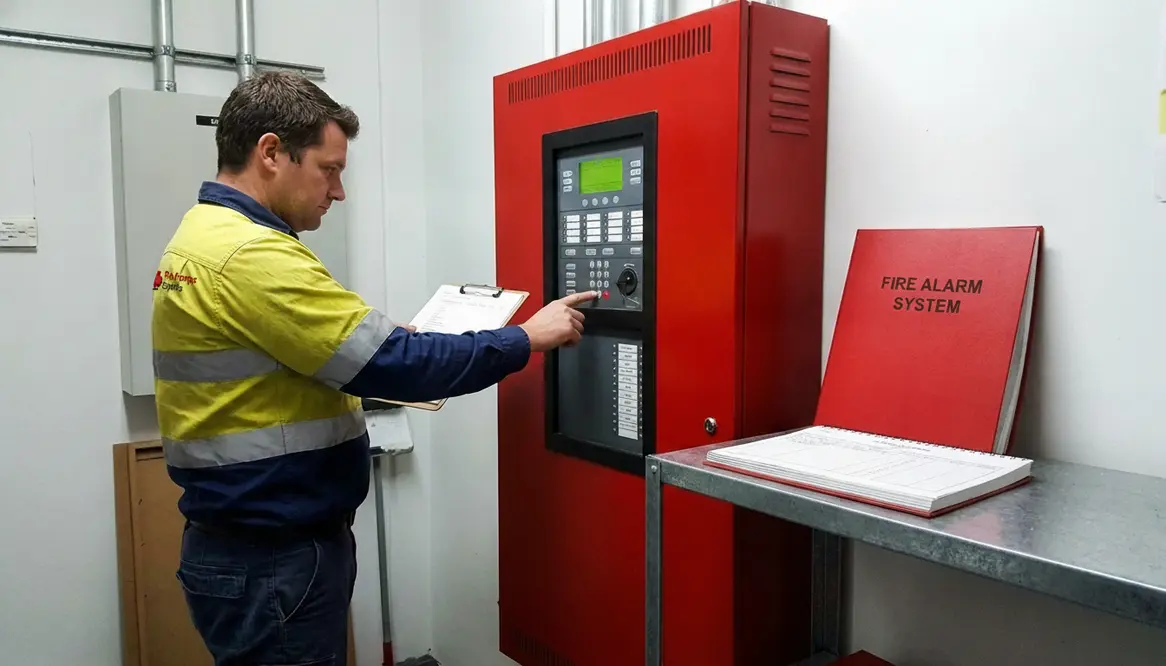
Fire Alarm Testing Australia: Commercial Industrial
Fire Alarm Testing Requirements Australia can feel like one of those topics that only wakes up when the inspector is already in the lobby. Still, I take it seriously, because a working fire alarm system can save lives, protect property, and keep a business out of a very bad day. In Australia, the rules are clear, and so is the logic behind them. Regular checks, correct records, and proper maintenance all help ensure the system works when it matters most. In this article, I break it down in plain language, so you know what to test, when to test it, and why it matters.
For commercial and industrial properties, this is not just box ticking. It is about keeping staff safe, meeting legal duties, and avoiding the sort of surprise that nobody wants before opening hours. And yes, the alarm does not get to “rest its eyes” like a bored security guard on a night shift.
What fire alarm testing means in Australia
Fire alarm testing in Australia means checking that the whole system can detect smoke or heat, raise the alarm, and alert the right people fast. I do not just mean the panel on the wall. I mean the detectors, sounders, call points, batteries, connections, and any monitored link to a fire service or alarm centre.
In most commercial and industrial buildings, the building owner or manager must keep the system in working order. That usually means regular visual checks, routine tests, and scheduled maintenance by a competent technician. The exact setup depends on the building type, system type, and risk level. However, the basic rule stays the same: if the system cannot warn people properly, it is not doing its job.
To keep things practical, I always tell clients to treat the alarm system like a key part of the building, not an afterthought. You would not wait until a storm hits to check the roof. Same idea here.
When testing must happen
Testing does not happen once a year and then vanish into the corporate mist. Instead, it follows a routine. In Australia, fire alarm systems usually need regular weekly, monthly, six monthly, and yearly checks, depending on the component and the building’s fire safety plan.
For example, some manual call point and alarm tests happen weekly in certain sites. Battery backup, interface devices, and detector function checks may happen on longer cycles. Then, more detailed service work usually takes place every six months or annually. I always advise checking the building’s fire safety schedule and relevant state or territory rules, because the timing can differ a little across jurisdictions.
Here is a simple way I think about it. Short checks confirm the system is awake. Larger service visits confirm it is fit for duty. That is the difference between a cup of coffee and a full health check.
Typical testing focus areas
• Control panel status and fault lights
• Detector response and alarm sounders
• Manual call points and break glass units
• Battery backup and power supply
• Monitoring links and communication paths
• Logbook entries and repair follow up
How I check a fire alarm system step by step
I start with the panel, because it tells the story first. If the panel shows a fault, isolate, or low battery warning, I do not ignore it. I trace the issue, confirm the cause, and fix it before I move on. Then I check the sounders, strobes, and alarm output to make sure people will hear and see the warning clearly.
Next, I test the detectors and manual call points based on the system design. I also check that the alarm sends the right signal to any monitoring service or response centre. If the system uses zone indicators, I confirm that the right area shows up. After that, I inspect the batteries and backup power, because when the mains supply fails, the system should keep calm and carry on.
Finally, I record everything. That part is not glamorous, but it matters. Good records prove the system was tested, show what passed, and track any repair work. When an auditor, insurer, or regulator asks questions, that logbook becomes very useful very quickly.
Quick view of common test checks
Alarm panel status
Detector function
Sounder volume
Strobe visibility
Battery health
Monitoring signal
Zone accuracy
Service records
What rules and standards I follow
In Australia, fire alarm systems must meet building and fire safety rules under state and territory law, along with relevant Australian Standards. For many sites, AS 1851 plays a major role in ongoing inspection and maintenance of fire protection systems. Other standards may also apply depending on the alarm type, installation design, and building use.
That said, I do not treat standards like a mystery novel with clues hidden in the footnotes. I treat them like a working guide. They tell me what to check, how often to check it, and how to document the result. If a property has multiple systems, such as sprinkler controls, smoke detection, and pump sets, the service plan should cover all of them together.
If you manage a large commercial building or an industrial site, I suggest keeping a clear maintenance schedule and using trained technicians. That helps you stay compliant and reduces the chance of faults building up in the background like a sequel nobody asked for.
Why commercial and industrial sites need tighter control
Commercial and industrial buildings face higher risk because they often hold more people, more equipment, and more moving parts. A missed fault in a small office can still cause trouble, but in a warehouse, plant room, or major property, the impact can spread fast. That is why I focus on reliable testing, quick repair response, and strong maintenance records.
If your site includes fire pumps or linked fire protection equipment, I also recommend reviewing a trusted service provider like Kord Fire protection services for broader fire safety support. And if you need pump related information, you can review los angeles fire pump solutions for additional insight.
In larger facilities, one weak point can affect the whole system. So I look at the alarm as part of a bigger fire safety chain, not a solo performer trying to carry the whole show like it is the final act in a superhero movie.
Fire alarm testing, the practical way
When people ask about fire alarm testing, I always bring it back to what it actually does: checks detection, checks alarm outputs, checks monitoring, and keeps a clean record trail. That is the difference between a system that is “probably fine” and a system that will do its job under real pressure. Do the right checks at the right intervals and the whole building breathes easier.
FAQ
In the end, I treat fire alarm testing as essential work, not background noise. If you manage a commercial or industrial property in Australia, now is the time to review your service schedule, update your records, and fix any faults before they become a bigger problem. Start with a proper inspection, keep your logbook clean, and make sure your fire safety plan actually works when the pressure rises. Your building deserves that level of care, and frankly, so do the people inside it.