Fire Alarm Inspection What I Check and Why It Matters
Fire Alarm Inspection What I Check and Why It Matters
Fire Alarm Inspection Requirements: What I Check, Why It Matters, and How to Stay Ready
I take fire alarm inspection seriously because it does more than satisfy a rulebook. It protects people, property, and the kind of business day that should never end with sirens and paperwork. In commercial and industrial buildings, I see these systems as the quiet guard on duty, always watching, always waiting. And yes, they usually work best when no one is thinking about them, which is exactly the point. In this guide, I break down what I look for, why each step matters, and how a proper inspection keeps a building ready without turning your week into a drama series.
What fire alarm inspection requirements usually cover
A solid inspection is about coverage, performance, and the details that prevent “why did that fail?” moments.
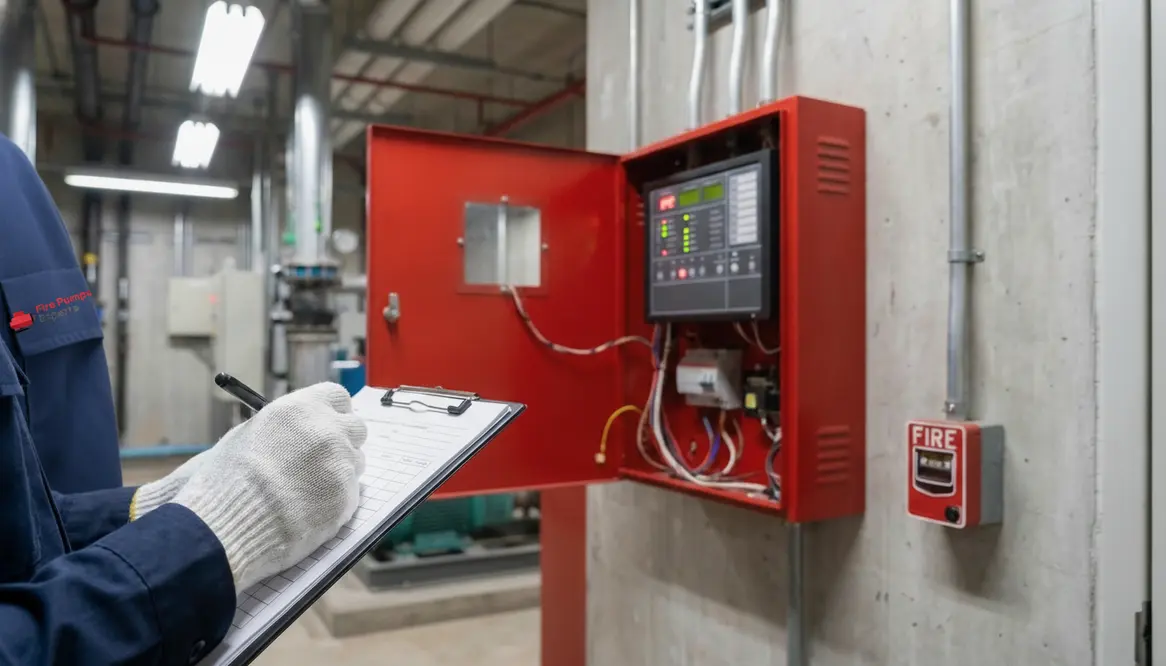
When I inspect a fire alarm system, I start with the basics and move with purpose. First, I check the control panel, power supply, and backup batteries. Then I look at devices like pull stations, smoke detectors, heat detectors, horns, strobes, and communication links. I also confirm that the system matches the building layout and that nothing has changed since the last visit in a way that could break coverage.
Because these systems protect commercial and industrial spaces, I pay close attention to areas with higher risk, such as loading docks, electrical rooms, storage zones, and mechanical spaces. After all, a fire does not care if your business is busy, understaffed, or “just getting to it after lunch.” It will still show up with bad intentions.
What I test during an inspection
I do not stop at a visual check. I test how the system actually performs. That means I verify alarms sound clearly, strobes flash properly, and signals reach the monitoring service if one is in place. I also confirm trouble signals, supervisory signals, and battery backup work as they should. If the system cannot alert people fast enough, then it is not doing its job.
I also review common trouble spots:
Dust or dirt on detectors
Loose wiring or damaged parts
Blocked or hidden devices
Expired batteries
Alarm devices that do not match the required sound level
That list may sound simple, but simple things cause big headaches. A detector covered in dust can act like it is on vacation. Meanwhile, a dead battery can turn a serious system into expensive wall art.
How I approach a commercial fire alarm inspection
Here is the part many owners want to know: what should I expect from a commercial fire alarm inspection? I keep the process orderly. First, I review the system records. Then I test the devices in sections so I can track any fault fast. Next, I note repairs, replacements, and anything that needs follow up. Finally, I confirm the system returns to normal with no hidden trouble light staring back like a bad plot twist.
To keep things clear, I usually break the work into two tracks:
Field checks: I inspect devices, wiring, panels, and power sources on site.
Documentation checks: I review past reports, repair notes, and service dates.
This is where good records save time. If the last report shows a recurring issue, I can focus on the source instead of playing detective with a flashlight and a sigh.
Fire alarm inspection requirements for major buildings
Large commercial and industrial properties need tighter attention because the systems often cover more space, more equipment, and more people. In those buildings, I look for device placement, coverage gaps, and any changes from tenant work, new equipment, or storage shifts. A new rack of inventory can block a device faster than a fan at a concert blocks your view of the stage.
At this stage, I also check whether the alarm system works well with other life safety equipment. If the building has fire pumps, suppression systems, or monitoring support, everything must work together. For deeper support on that side of the system, I often point owners to Kord Fire safety solutions, since a strong inspection plan works best when the full protection setup stays in sync.
Why regular inspections save money and stress
Routine inspection does more than help you pass a review. It helps prevent surprise repairs, false alarms, and downtime. False alarms can interrupt operations, upset tenants, and bring in emergency response when nobody needs that kind of excitement before noon. More important, a missed fault can leave a building exposed during the exact moment it needs protection most.
Regular checks also help me spot patterns. If one detector keeps failing, I know there may be a wiring issue, moisture problem, or poor placement. So, instead of replacing parts one by one and hoping for the best, I can get to the root of the issue and keep the system stable.
What should I ask my inspector before the visit?
Ask what parts of the system will be tested, how long the inspection will take, and whether the monitoring company needs to be notified first. Also ask if any temporary shutdowns or alarms will affect your staff or tenants. Clear answers save time and keep the day calm. In my view, calm is underrated. It is the unsung hero of building safety.
Fire alarm inspection FAQs
FAQ
Ready to keep your system in shape?
If you manage a commercial or industrial property, I recommend treating fire alarm inspection care as a regular part of operations, not a last minute scramble. A proper inspection keeps your system ready, your people safer, and your building better prepared for the real world, which never waits for a convenient time. If you want a smoother path to compliance and less stress down the road, now is the time to schedule your next fire alarm inspection and stay ahead of trouble.