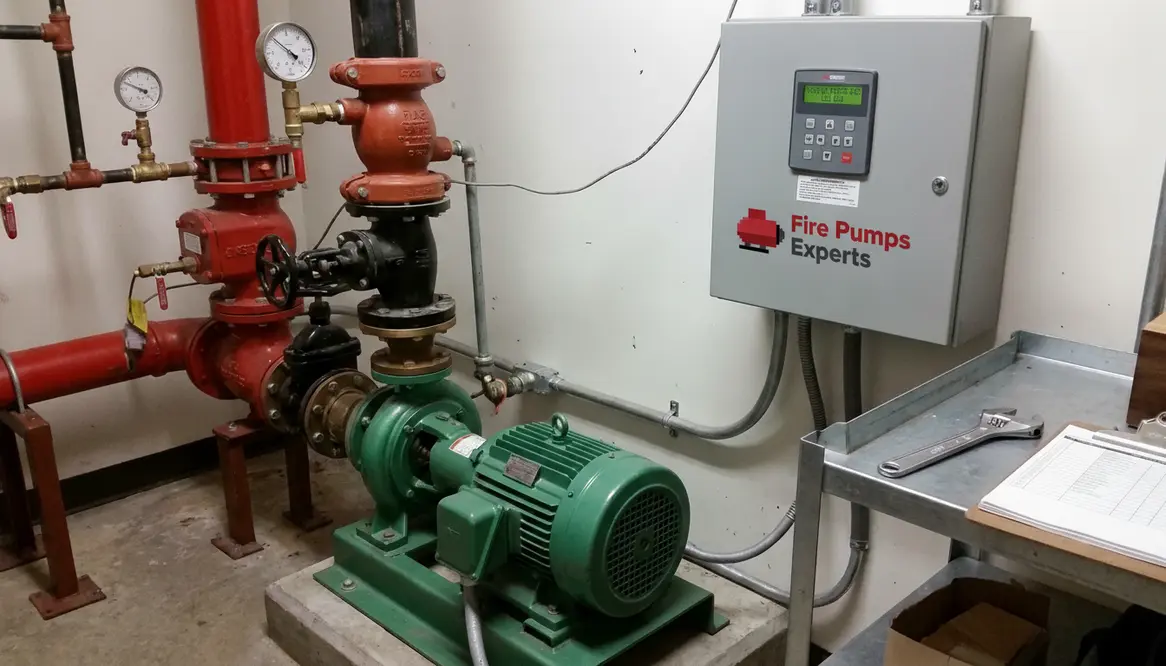
Jockey Pump Cut In and Cut Out Pressure for Fire Systems
I have seen many fire pump rooms that look quiet on the outside and dramatic on the inside. That is where jockey pump pressure settings and jockey pump cut in pressure do their best work. They keep a fire protection system steady, so the main fire pump does not start every time a little pressure drops. In commercial and industrial buildings, that matters a great deal. The system stays ready, the pressure holds, and the equipment avoids needless wear. That is the sort of behind the scenes hero work that does not get a cape, but it absolutely earns one.
In plain terms, I use the jockey pump to maintain normal system pressure. Then, when pressure falls enough, the pump kicks in and tops it back up. If I set the pressure wrong, the system may cycle too often or fail to respond the way it should. So yes, this is a small setting with big consequences. Think of it as the thermostat of fire protection, only less cozy and far more serious.
How I choose jockey pump pressure settings for a commercial fire system
I start with the system design pressure, the elevation of the building, and the normal pressure loss across the piping. Then I set the jockey pump a little above the minimum pressure I want to hold. The goal is simple. I want the pump to cover small leaks, minor changes, and normal drops without waking the main fire pump.
For commercial and industrial sites, I also look at the water supply, the size of the sprinkler network, and any pressure loss from long pipe runs. A tall property may need more care than a low building, because gravity does not care about your schedule or your budget. That is where good planning saves money and stress. If the pressure band is too tight, the pump may start and stop like a pop song chorus. If it is too wide, the system may drift too far before it recovers. Neither is ideal.
Jockey pump cut in pressure and cut out pressure explained simply
The jockey pump cut in pressure is the point where the pump starts. The cut out pressure is the point where it stops after it raises the system back to the target level. I like to keep a clear pressure gap between those two points. That gap helps prevent short cycling, which can wear out the pump and controls faster than they should.
Here is the easy logic I follow:
- The cut in pressure must be low enough to let the pump respond to real pressure loss.
- The cut out pressure must be high enough to restore normal system pressure.
- The difference between the two should be stable and practical for the system design.
- The settings should align with the fire protection plan for the property.
That way, the jockey pump acts like a calm referee, not a nervous stage manager yelling “start, stop, start, stop.” Nobody wants that energy in a fire pump room.
What I check before I adjust a jockey pump
Before I touch the settings, I check the whole system. First, I confirm the pressure switch calibration. Next, I inspect for leaks, faulty valves, or air issues that might cause false pressure drops. Then I compare the system pressure with the expected normal range. If I skip those steps, I could tune the pump to solve the wrong problem.
I also review the building type. Major properties, factories, warehouses, and large office towers often need tighter control because they use more water and have more piping. In those settings, a small leak can create a headache fast. So I treat the jockey pump like a careful watchdog, not a guess and hope machine. That approach protects equipment and keeps service calls focused on facts, not folklore.
How I keep the system reliable over time
Once I set the pressure properly, I do not walk away and call it a victory lap. I test the system on a routine basis. I also make sure the pump runs as expected, the switches respond cleanly, and the pressure holds steady after each cycle. Over time, seals wear, valves shift, and settings drift. That is normal. However, normal does not mean acceptable for a fire protection system.
For teams managing multiple properties, I recommend keeping records of each test and adjustment. That makes future service faster and cleaner. It also helps spot patterns, like a slow leak or a pressure switch that keeps acting dramatic. If you want support for a full fire pump setup, I would look at a trusted fire pump system overview and coordinate with a qualified fire protection provider. For related services, I also suggest reviewing Australian sprinkler service guidance and electrical support for fire pump controls when the site needs a wider maintenance plan.
When should I call a fire pump specialist?
I call a specialist when the pump cycles too often, the pressure will not hold, or the main fire pump starts without a clear reason. I also bring in help when the system serves a large commercial or industrial facility and the pressure behavior no longer matches the design. In those cases, a deeper review can protect both the building and the budget.
Side by side: what I watch versus why it matters
| What I watch | Why it matters |
|---|---|
| Cut in pressure | Starts the pump at the right moment |
| Cut out pressure | Stops the pump after pressure recovery |
| System leaks | Prevents false starts and extra wear |
| Switch performance | Keeps response accurate and steady |
FAQ
Conclusion
I treat jockey pump pressure settings as a small detail with a large job. When I set the jockey pump cut in pressure and cut out pressure with care, I help the whole fire system stay calm, ready, and dependable. If your commercial or industrial property needs a better pressure setup, now is the time to review it. A smart adjustment today can save real trouble tomorrow, and that is the kind of quiet win I always respect.