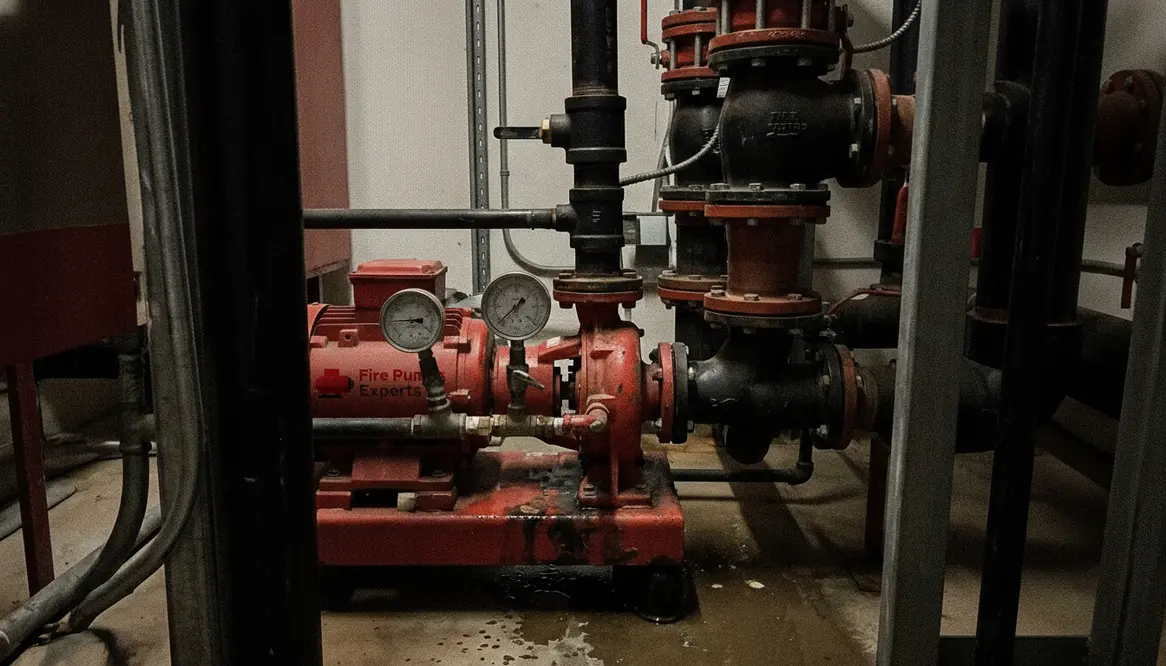
Jockey Pump Settings Prevent Unneeded Main Pump Starts
How Incorrect Jockey Pump Settings Cause Main Pump Starts
I have seen a lot of fire protection systems behave like a sleepy guard dog until one small setting wakes the whole place up. When jockey pump settings drift out of range, fire pump pressure can fall fast enough to trigger an unwanted start. That is where jockey pump troubleshooting matters. In commercial and industrial facilities, and in major property buildings, this issue can turn a quiet pressure drop into a full system event. It sounds small, yet it can lead to wear, alarms, and more maintenance bills than anyone invited to the party.
The good news is simple. I can trace the problem, fix the pressure control, and keep the main fire pump from running when it should be resting. That saves equipment, lowers stress, and keeps the system ready for real demand.
Why a small pressure error can wake the main pump
I treat the jockey pump as the system’s pressure keeper. It holds the line steady after tiny leaks, normal loss, or minor flow changes. However, when the cut in and cut out points sit too low, too high, or too close together, the pressure dips past the main pump start point. Then the main pump thinks there is a real fire demand. Of course, it is not dramatic in a movie sense, but it is still a bad surprise.
Here is the chain I watch for:
- The system loses small pressure from normal drift or leakage
- The jockey pump starts, but it starts too late or stops too soon
- Pressure falls below the main pump start setting
- The main pump starts even though no sprinkler demand exists
That sequence often points to poor calibration, wrong switch settings, or a weak pump that cannot restore pressure fast enough. In other words, the system is trying its best, but someone handed it the wrong script.
jockey pump settings and fire pump pressure in plain terms
To keep the system stable, I set the jockey pump start pressure above the fire pump start pressure. That gap gives the jockey pump room to do its job first. If the gap is too narrow, the main pump starts too easily. If the gap is too wide, the jockey pump may run longer than it should and still fail to protect the line.
For facilities with large pipe networks, tall risers, or complex water demand paths, this balance becomes even more important. Pressure loss can happen from a slow leak, a faulty valve, or even normal temperature changes. So, I do not guess. I check the actual pressure curve, the switch settings, and the pump curve together. That is where real control begins.
What I check during jockey pump troubleshooting
When I perform jockey pump troubleshooting, I start with the basics and move toward the deeper causes. First, I confirm that the pressure switch matches the system design. Then I inspect for leaks, clogged strainers, stuck check valves, and low voltage to the pump motor. After that, I test the pump’s ability to build and hold pressure under normal conditions.
I also look for hidden problems that like to act innocent. For example, a small leak in a valve packing gland can slowly drain pressure and keep the jockey pump cycling too often. Likewise, a bad pressure sensor can lie to the control panel, and the control panel tends to believe it like a fan believes a rumor about a sequel.
Here is what often causes false main pump starts:
- Incorrect cut in and cut out pressure settings
- Failed or drifting pressure switches
- Leaks in the system piping or fittings
- Check valve issues that allow pressure backflow
- Undersized jockey pump capacity for the site
How I set up the gap the right way
I always aim for a clean pressure ladder. The jockey pump must start before the main pump and stop after it has restored the line. At the same time, the main pump start setting must stay far enough below the jockey pump start point to avoid overlap. That gap depends on the building, the water supply, and the system design, so I never use a one size fits all rule.
For commercial and industrial facilities, this step matters even more because a false main pump start can create extra wear, unnecessary alarm response, and service disruption. In a large site, a small error can spread like gossip in an office hallway. Nobody wants that.
How I spot the root cause faster
When I want faster answers, I divide the problem into two columns in my head: pressure control on one side, hardware condition on the other. That is where jockey pump troubleshooting turns into a targeted check instead of a random hunt.
Pressure control
I verify switch points, control panel response, and start delay settings. Then I compare those values to the actual system pressure under idle conditions. If the fire pump pressure reference is off, even perfect hardware can look guilty.
jockey pump troubleshooting checkpoint
If main starts repeat, I re-check the jockey pump settings against the intended pressure ladder and confirm the readings at the pressure sensor location, not just on the control panel screen.
Hardware condition
I inspect for leaks, worn valves, loose wiring, and weak motor performance. Then I test whether the jockey pump can recover pressure before the main pump threshold is reached. If it cannot, you can tune settings all day and still get false starts.
fire pump pressure reality check
I validate that the system can hold and build pressure at the expected idle-to-start conditions. When the numbers and the behavior agree, the system stops acting like it is inventing alarms.
This method saves time because it separates design errors from equipment faults. As a result, I can fix the right problem instead of chasing the wrong one like an action hero running through the wrong door.
When to bring in a fire pump specialist
If the main pump keeps starting without demand, I do not let the issue sit. I call in a fire pump specialist when pressure drift repeats, when the jockey pump cannot hold the line, or when the control settings look correct but the system still misbehaves. For facilities that need dependable protection, expert service helps keep the equipment aligned with the design and code intent.
I also like to compare notes with trusted resources such as los angeles fire pump services for deeper system support, and I review related service details through fire pump maintenance guidance when I need a broader view. For electrical and control side checks, commercial electrical service support can also help keep the system stable. In some cases, I also look at fire sprinkler service resources when the sprinkler side affects pressure behavior.
FAQ
Conclusion
When I see unwanted main pump starts, I look first at jockey pump settings, then at pressure loss, and then at the equipment itself. That order saves time and protects the system from extra wear. If your commercial or industrial facility needs a cleaner pressure setup, I recommend acting now instead of waiting for the next false start. A well tuned system stays calm, stays ready, and does its job without drama. And honestly, in fire protection, calm is the real headline.
Jockey Pump Settings Prevent Unneeded Main Pump Starts
How Incorrect Jockey Pump Settings Cause Main Pump Starts
I have seen a lot of fire protection systems behave like a sleepy guard dog until one small setting wakes the whole place up. When jockey pump settings drift out of range, fire pump pressure can fall fast enough to trigger an unwanted start. That is where jockey pump troubleshooting matters. In commercial and industrial facilities, and in major property buildings, this issue can turn a quiet pressure drop into a full system event. It sounds small, yet it can lead to wear, alarms, and more maintenance bills than anyone invited to the party.
The good news is simple. I can trace the problem, fix the pressure control, and keep the main fire pump from running when it should be resting. That saves equipment, lowers stress, and keeps the system ready for real demand.
Why a small pressure error can wake the main pump
I treat the jockey pump as the system’s pressure keeper. It holds the line steady after tiny leaks, normal loss, or minor flow changes. However, when the cut in and cut out points sit too low, too high, or too close together, the pressure dips past the main pump start point. Then the main pump thinks there is a real fire demand. Of course, it is not dramatic in a movie sense, but it is still a bad surprise.
Here is the chain I watch for:
- The system loses small pressure from normal drift or leakage
- The jockey pump starts, but it starts too late or stops too soon
- Pressure falls below the main pump start setting
- The main pump starts even though no sprinkler demand exists
That sequence often points to poor calibration, wrong switch settings, or a weak pump that cannot restore pressure fast enough. In other words, the system is trying its best, but someone handed it the wrong script.
jockey pump settings and fire pump pressure in plain terms
To keep the system stable, I set the jockey pump start pressure above the fire pump start pressure. That gap gives the jockey pump room to do its job first. If the gap is too narrow, the main pump starts too easily. If the gap is too wide, the jockey pump may run longer than it should and still fail to protect the line.
For facilities with large pipe networks, tall risers, or complex water demand paths, this balance becomes even more important. Pressure loss can happen from a slow leak, a faulty valve, or even normal temperature changes. So, I do not guess. I check the actual pressure curve, the switch settings, and the pump curve together. That is where real control begins.
What I check during jockey pump troubleshooting
When I perform jockey pump troubleshooting, I start with the basics and move toward the deeper causes. First, I confirm that the pressure switch matches the system design. Then I inspect for leaks, clogged strainers, stuck check valves, and low voltage to the pump motor. After that, I test the pump’s ability to build and hold pressure under normal conditions.
I also look for hidden problems that like to act innocent. For example, a small leak in a valve packing gland can slowly drain pressure and keep the jockey pump cycling too often. Likewise, a bad pressure sensor can lie to the control panel, and the control panel tends to believe it like a fan believes a rumor about a sequel.
Here is what often causes false main pump starts:
- Incorrect cut in and cut out pressure settings
- Failed or drifting pressure switches
- Leaks in the system piping or fittings
- Check valve issues that allow pressure backflow
- Undersized jockey pump capacity for the site
How I set up the gap the right way
I always aim for a clean pressure ladder. The jockey pump must start before the main pump and stop after it has restored the line. At the same time, the main pump start setting must stay far enough below the jockey pump start point to avoid overlap. That gap depends on the building, the water supply, and the system design, so I never use a one size fits all rule.
For commercial and industrial facilities, this step matters even more because a false main pump start can create extra wear, unnecessary alarm response, and service disruption. In a large site, a small error can spread like gossip in an office hallway. Nobody wants that.
How I spot the root cause faster
When I want faster answers, I divide the problem into two columns in my head: pressure control on one side, hardware condition on the other. That is where jockey pump troubleshooting turns into a targeted check instead of a random hunt.
Pressure control
I verify switch points, control panel response, and start delay settings. Then I compare those values to the actual system pressure under idle conditions. If the fire pump pressure reference is off, even perfect hardware can look guilty.
jockey pump troubleshooting checkpoint
If main starts repeat, I re-check the jockey pump settings against the intended pressure ladder and confirm the readings at the pressure sensor location, not just on the control panel screen.
Hardware condition
I inspect for leaks, worn valves, loose wiring, and weak motor performance. Then I test whether the jockey pump can recover pressure before the main pump threshold is reached. If it cannot, you can tune settings all day and still get false starts.
fire pump pressure reality check
I validate that the system can hold and build pressure at the expected idle-to-start conditions. When the numbers and the behavior agree, the system stops acting like it is inventing alarms.
This method saves time because it separates design errors from equipment faults. As a result, I can fix the right problem instead of chasing the wrong one like an action hero running through the wrong door.
When to bring in a fire pump specialist
If the main pump keeps starting without demand, I do not let the issue sit. I call in a fire pump specialist when pressure drift repeats, when the jockey pump cannot hold the line, or when the control settings look correct but the system still misbehaves. For facilities that need dependable protection, expert service helps keep the equipment aligned with the design and code intent.
I also like to compare notes with trusted resources such as los angeles fire pump services for deeper system support, and I review related service details through fire pump maintenance guidance when I need a broader view. For electrical and control side checks, commercial electrical service support can also help keep the system stable. In some cases, I also look at fire sprinkler service resources when the sprinkler side affects pressure behavior.
FAQ
Conclusion
When I see unwanted main pump starts, I look first at jockey pump settings, then at pressure loss, and then at the equipment itself. That order saves time and protects the system from extra wear. If your commercial or industrial facility needs a cleaner pressure setup, I recommend acting now instead of waiting for the next false start. A well tuned system stays calm, stays ready, and does its job without drama. And honestly, in fire protection, calm is the real headline.
Jockey Pump Settings Prevent Unneeded Main Pump Starts
How Incorrect Jockey Pump Settings Cause Main Pump Starts
I have seen a lot of fire protection systems behave like a sleepy guard dog until one small setting wakes the whole place up. When jockey pump settings drift out of range, fire pump pressure can fall fast enough to trigger an unwanted start. That is where jockey pump troubleshooting matters. In commercial and industrial facilities, and in major property buildings, this issue can turn a quiet pressure drop into a full system event. It sounds small, yet it can lead to wear, alarms, and more maintenance bills than anyone invited to the party.
The good news is simple. I can trace the problem, fix the pressure control, and keep the main fire pump from running when it should be resting. That saves equipment, lowers stress, and keeps the system ready for real demand.
Why a small pressure error can wake the main pump
I treat the jockey pump as the system’s pressure keeper. It holds the line steady after tiny leaks, normal loss, or minor flow changes. However, when the cut in and cut out points sit too low, too high, or too close together, the pressure dips past the main pump start point. Then the main pump thinks there is a real fire demand. Of course, it is not dramatic in a movie sense, but it is still a bad surprise.
Here is the chain I watch for:
- The system loses small pressure from normal drift or leakage
- The jockey pump starts, but it starts too late or stops too soon
- Pressure falls below the main pump start setting
- The main pump starts even though no sprinkler demand exists
That sequence often points to poor calibration, wrong switch settings, or a weak pump that cannot restore pressure fast enough. In other words, the system is trying its best, but someone handed it the wrong script.
jockey pump settings and fire pump pressure in plain terms
To keep the system stable, I set the jockey pump start pressure above the fire pump start pressure. That gap gives the jockey pump room to do its job first. If the gap is too narrow, the main pump starts too easily. If the gap is too wide, the jockey pump may run longer than it should and still fail to protect the line.
For facilities with large pipe networks, tall risers, or complex water demand paths, this balance becomes even more important. Pressure loss can happen from a slow leak, a faulty valve, or even normal temperature changes. So, I do not guess. I check the actual pressure curve, the switch settings, and the pump curve together. That is where real control begins.
What I check during jockey pump troubleshooting
When I perform jockey pump troubleshooting, I start with the basics and move toward the deeper causes. First, I confirm that the pressure switch matches the system design. Then I inspect for leaks, clogged strainers, stuck check valves, and low voltage to the pump motor. After that, I test the pump’s ability to build and hold pressure under normal conditions.
I also look for hidden problems that like to act innocent. For example, a small leak in a valve packing gland can slowly drain pressure and keep the jockey pump cycling too often. Likewise, a bad pressure sensor can lie to the control panel, and the control panel tends to believe it like a fan believes a rumor about a sequel.
Here is what often causes false main pump starts:
- Incorrect cut in and cut out pressure settings
- Failed or drifting pressure switches
- Leaks in the system piping or fittings
- Check valve issues that allow pressure backflow
- Undersized jockey pump capacity for the site
How I set up the gap the right way
I always aim for a clean pressure ladder. The jockey pump must start before the main pump and stop after it has restored the line. At the same time, the main pump start setting must stay far enough below the jockey pump start point to avoid overlap. That gap depends on the building, the water supply, and the system design, so I never use a one size fits all rule.
For commercial and industrial facilities, this step matters even more because a false main pump start can create extra wear, unnecessary alarm response, and service disruption. In a large site, a small error can spread like gossip in an office hallway. Nobody wants that.
How I spot the root cause faster
When I want faster answers, I divide the problem into two columns in my head: pressure control on one side, hardware condition on the other. That is where jockey pump troubleshooting turns into a targeted check instead of a random hunt.
Pressure control
I verify switch points, control panel response, and start delay settings. Then I compare those values to the actual system pressure under idle conditions. If the fire pump pressure reference is off, even perfect hardware can look guilty.
jockey pump troubleshooting checkpoint
If main starts repeat, I re-check the jockey pump settings against the intended pressure ladder and confirm the readings at the pressure sensor location, not just on the control panel screen.
Hardware condition
I inspect for leaks, worn valves, loose wiring, and weak motor performance. Then I test whether the jockey pump can recover pressure before the main pump threshold is reached. If it cannot, you can tune settings all day and still get false starts.
fire pump pressure reality check
I validate that the system can hold and build pressure at the expected idle-to-start conditions. When the numbers and the behavior agree, the system stops acting like it is inventing alarms.
This method saves time because it separates design errors from equipment faults. As a result, I can fix the right problem instead of chasing the wrong one like an action hero running through the wrong door.
When to bring in a fire pump specialist
If the main pump keeps starting without demand, I do not let the issue sit. I call in a fire pump specialist when pressure drift repeats, when the jockey pump cannot hold the line, or when the control settings look correct but the system still misbehaves. For facilities that need dependable protection, expert service helps keep the equipment aligned with the design and code intent.
I also like to compare notes with trusted resources such as los angeles fire pump services for deeper system support, and I review related service details through fire pump maintenance guidance when I need a broader view. For electrical and control side checks, commercial electrical service support can also help keep the system stable. In some cases, I also look at fire sprinkler service resources when the sprinkler side affects pressure behavior.
FAQ
Conclusion
When I see unwanted main pump starts, I look first at jockey pump settings, then at pressure loss, and then at the equipment itself. That order saves time and protects the system from extra wear. If your commercial or industrial facility needs a cleaner pressure setup, I recommend acting now instead of waiting for the next false start. A well tuned system stays calm, stays ready, and does its job without drama. And honestly, in fire protection, calm is the real headline.