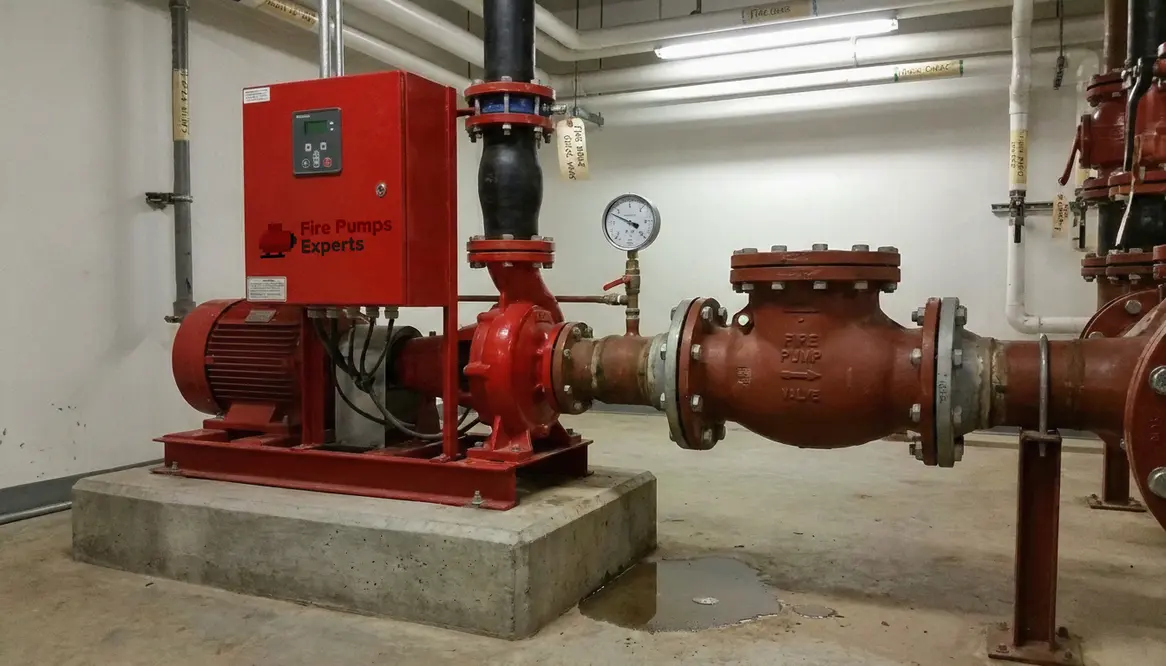
Check Valve Leakage Triggers Jockey Pump Cycling
How Check Valve Leakage Causes Jockey Pump Cycling
I have seen a small leak turn into a big headache more times than I can count. In a commercial fire protection system, a jockey pump cycling issue often starts with a tiny problem at the fire pump check valve. That little slip can also hide a fire sprinkler leak, which keeps pressure dropping and forces the pump to wake up again and again like a bored security guard on the night shift. For major buildings and industrial sites, that is not just annoying. It can wear out equipment, waste energy, and signal a deeper system fault that needs real attention.
When I trace the cause, I usually find one simple truth. Water should stay where it belongs. If it does not, the pressure falls, the jockey pump starts, and the cycle repeats. So let me walk through how that happens, why it matters, and what I would check first.
Quick Snapshot
- Tiny backflow at the fire pump check valve can start pressure loss.
- Pressure drops, the jockey pump kicks on, and the loop begins.
- A hidden fire sprinkler leak may be the real culprit.
If this sounds familiar, you are not chasing a ghost. You are chasing a pressure problem with a paper trail.
Why a check valve leak starts the cycle
A check valve should let water move one way only. In a fire pump setup, it keeps pressurized water from flowing backward after the pump stops. However, when the valve does not seal well, water slips past it. That small backflow drops system pressure. Then the pressure switch sees the drop and calls the jockey pump to restore it.
At first, the cycle may seem harmless. Still, if the valve leaks often, the jockey pump runs too much. Over time, that extra run time adds wear to seals, bearings, and motor parts. In other words, the system starts acting like it drank too much coffee and cannot sit still.
How I spot the pressure drop problem
I start with the pressure gauge history, if the site has it. A steady drop after pump shutoff often points to loss through the check valve or another weak spot in the piping. Next, I listen. A soft movement of water, a slight hiss, or a repeated pump start can all tell a story before I ever touch a wrench.
Here is how I break down the signs.
Common clue
- Frequent jockey pump starts
- Pressure falls when no demand exists
- Valve chatter or seepage
What it usually means
- Water is leaking past the check valve
- The system has a small hidden leak
- Pressure is not holding as it should
This simple pattern matters because pressure loss is never random. It always has a source, even if the source tries to play hide and seek.
Where the leak really comes from
In many commercial and industrial facilities, the issue is not only the valve disc. Dirt, scale, rust, worn seats, or weak springs can stop the valve from closing tight. Also, vibration can shake a valve loose over time. If the system has poor maintenance, the problem gets worse fast.
Sometimes I find a second issue at the same time. A small fire sprinkler leak or a slow drain line loss can also trigger jockey pump cycling. That is why I never stop at the first suspect. I inspect the full pressure path. Otherwise, I risk blaming the wrong part while the real problem sits nearby, smiling like a villain in a thriller.
What I check first on a fire pump check valve
When I inspect a fire pump check valve, I focus on the seal, the body, and the way the valve closes under pressure change. I also check for debris, weak parts, and signs of backflow. If the valve leaks only when the pump stops, I know the seat may be damaged. If it leaks all the time, I look harder at wear, rust, or poor installation.
I also review the surrounding system. A bad gauge, a faulty pressure switch, or air trapped in the line can confuse the picture. So, I test with care and keep the whole system in view. That approach saves time and keeps the fix from becoming a guessing game.
How I stop jockey pump cycling for good
First, I repair or replace the leaking valve part. Then I confirm that the pump holds pressure without short cycling. After that, I look for any other pressure loss point in the system. If needed, I service the pressure switch settings, inspect piping, and verify that the pump controls work as designed.
For major properties, I also recommend routine checks with a fire protection service team that understands commercial systems. If you want to review broader pump support, I suggest the los angeles fire pump service guide. For sprinkler system care in Australia, the Australian fire sprinkler service page is a useful reference.
FAQ
Conclusion
If your system keeps starting, do not ignore it. I always treat jockey pump cycling as a warning sign, not a nuisance. A leaking valve, a hidden sprinkler loss, or a weak pressure path can all point to bigger trouble ahead. So, inspect the system, test the check valve, and fix the cause before wear spreads. If you manage a commercial or industrial property, now is the right time to act and keep your fire protection system steady.